


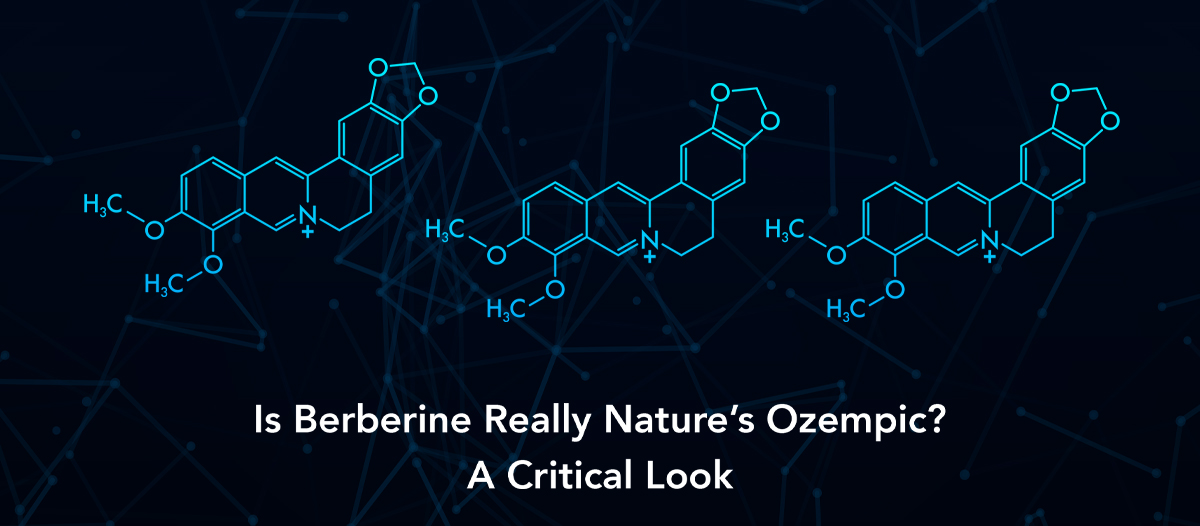
Is Berberine Really Nature’s Ozempic? A Critical Look – Quick Summary
Berberine, a compound found in several traditional medicinal herbs, is making headlines as a natural alternative to Ozempic. But does the research support this bold comparison? In this blog, we take a grounded, critical look at what berberine is, how it works in the body, what clinical studies actually say, how it compares to Ozempic, and whether it’s safe for long-term use. We’ll also explore how this supplement fits — or doesn’t fit — into a deeper, holistic journey toward radiant health.
Key Takeaways
- Berberine is a plant compound with a long history in Chinese and Ayurvedic medicine.
- It influences metabolism and blood sugar via AMPK activation and insulin signaling.
- Clinical studies show modest improvements in glucose regulation, lipids, and weight — but not Ozempic-level results.
- Berberine is best used short-term or in cycles to avoid microbiome disruption.
- It is not risk-free and may interact with several medications.
- Relying on berberine as a “natural Ozempic” misses the deeper point of long-term, whole-body healing.
Now, let’s get into the details!
Is Berberine Really Nature’s Ozempic? A Critical Look
by Mark J Kaylor
The Berberine Buzz
Berberine is having a moment. Touted as “Nature’s Ozempic” by influencers and supplement companies, this golden yellow alkaloid is being praised for its ability to lower blood sugar, improve cholesterol, support weight loss, and even rival popular GLP-1 drugs like Ozempic. But as with many wellness trends that go viral, the truth is far more nuanced.
Is berberine really a safe, natural alternative to Ozempic — or are we once again chasing a magic bullet at the expense of deeper healing? Let’s take a closer look.
What Is Berberine and Where Does It Come From?
Berberine is a bright yellow alkaloid compound found in the roots, bark, and stems of several medicinal plants long used in traditional healing systems. It is not an isolated synthetic drug but a naturally occurring compound with deep historical roots.
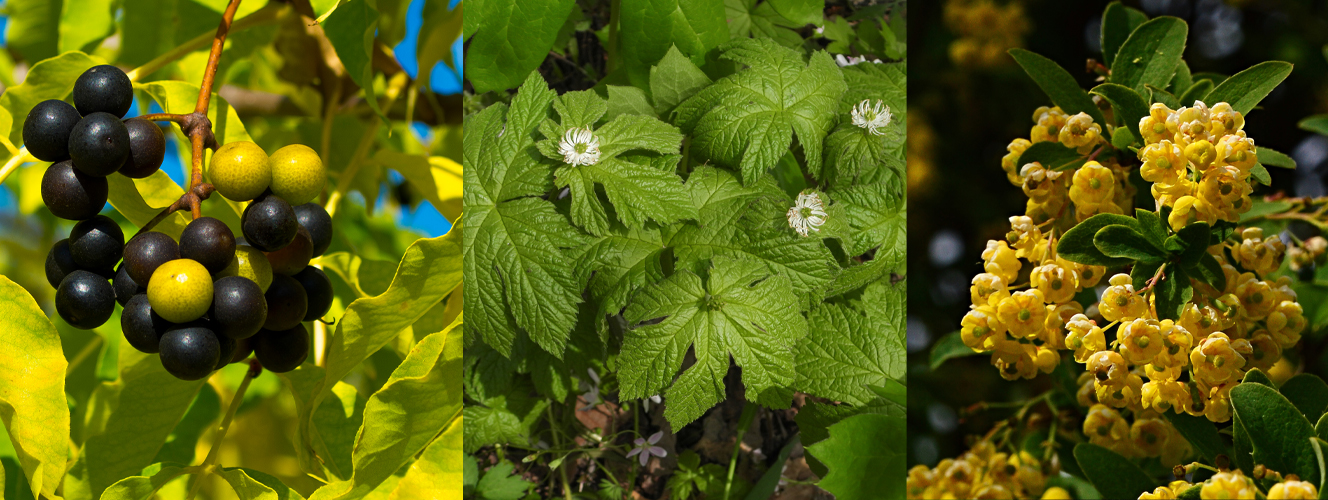
Some of the most common berberine-containing plants include:
- Berberis vulgaris (Barberry)
Used for over 2,500 years in traditional medicine, barberry is a thorny shrub native to Europe and Asia. It has been employed for liver disorders, digestive issues, infections, and skin conditions. Barberry is perhaps the most abundant natural source of berberine and has a long-standing reputation as a bitter tonic for promoting bile flow and gut health.
- Coptis chinensis (Goldthread or Huang Lian)
A revered herb in Traditional Chinese Medicine (TCM), goldthread is prized for its intense bitterness and potent antimicrobial, anti-inflammatory, and cooling properties. It is commonly used to “clear heat” and treat gastrointestinal infections, dysentery, and inflammation of the mouth or throat. It is considered one of the strongest natural sources of berberine and a powerful herb for restoring internal balance.
- Hydrastis canadensis (Goldenseal)
Native to North America and widely used in Western herbalism, goldenseal was a staple remedy of many Native American tribes. Traditionally used for digestive complaints, infections, and mucosal inflammation, goldenseal has become popular for its immune-supportive effects. While often promoted today for colds and respiratory infections, its berberine content contributes significantly to its gut and liver activity.
- Phellodendron amurense (Amur Cork Tree or Huang Bai)
Another key herb in TCM, Phellodendron bark is one of the “Three Yellow Barks” (along with Coptis and Scutellaria) and is known for clearing damp-heat from the body. It has been used for urinary tract infections, skin eruptions, and inflammatory conditions. It is a common component in traditional formulas addressing metabolic heat and inflammation.
Together, these herbs show the broad traditional use of berberine-containing plants in different healing systems — from clearing heat and dampness in TCM to restoring digestive tone in Western herbalism. Berberine, as their shared constituent, carries forward part of this wisdom — but should not be mistaken for the whole plant medicine they represent.
A Note on Whole Plant vs. Isolated Compound
While berberine is undoubtedly a powerful compound, it exists in nature as part of a larger phytochemical symphony. In traditional use, these herbs were rarely used in isolation. They were part of complex formulas, carefully balanced to address the person, not just the symptom. Isolating a single alkaloid may yield measurable pharmacological effects, but it also strips away the buffering, harmonizing, and synergistic compounds that are part of true herbal medicine. This is one reason why using berberine as a drug-like intervention may offer benefits — but also carries risks and limitations that whole-plant preparations may not.
How Berberine Works in the Body
Berberine acts through multiple pathways, which makes it both intriguing and complex. Its primary mechanisms include:
- Activation of AMPK
Berberine strongly activates AMP-activated protein kinase (AMPK), a master regulator of cellular energy metabolism. AMPK activation improves glucose uptake, increases fatty acid oxidation, and reduces lipogenesis (fat creation), all of which help improve metabolic health.
- Insulin Signaling
Berberine enhances insulin receptor expression and improves insulin sensitivity. It also modulates gluconeogenesis (glucose production in the liver), helping to lower blood sugar levels.
- Gut Microbiome Modulation
Berberine influences the gut microbiota by shifting the composition toward a more favorable balance. This may contribute to its metabolic effects — but also raises concerns about long-term microbial disruption.
- Anti-Inflammatory and Antioxidant Effects
Berberine reduces markers of inflammation (like CRP and TNF-α) and oxidative stress, which may help protect the vascular system and other organs.
- Lipid Regulation
It helps reduce total cholesterol, LDL, and triglycerides while modestly increasing HDL — likely through modulation of cholesterol synthesis and uptake.

What the Research Says
Blood Sugar Control
Several studies show berberine lowers fasting blood glucose, HbA1c (long-term glucose marker), and postprandial glucose. A 2008 study found it to be as effective as metformin in type 2 diabetics over a 3-month period (Yin et al., Metabolism).
However, most of these studies are short-term, with durations of 8–12 weeks.
Lipid Improvement
Meta-analyses have shown significant reductions in total cholesterol (by ~20 mg/dL), LDL, and triglycerides, with modest increases in HDL.
Weight Loss
Weight loss effects are modest, often in the 2–5 pound range over several weeks. The mechanism likely relates to improved insulin sensitivity and reduced fat accumulation, not appetite suppression.
Limitations of the Research
- Most studies are small and short-term.
- Bioavailability is low, with poor absorption and rapid metabolism.
- No long-term safety data or large-scale trials exist.
- Results are inconsistent across populations and doses.
How to Take Berberine: Dosage, Timing, Absorption, and Duration
Common Dosing
The standard dose of berberine is 500 mg taken two to three times daily, totaling 1,000 to 1,500 mg per day. Because of its relatively short half-life, dividing the dose helps maintain more stable levels in the bloodstream. It’s typically taken with meals to reduce gastrointestinal side effects and support blood sugar regulation.
Absorption Challenges and Solutions
Berberine has poor natural bioavailability, meaning only a small amount reaches the bloodstream when taken orally. This is due to factors such as:
- Limited intestinal absorption
- Rapid metabolism by the liver
- Efflux by P-glycoprotein pumps in the gut wall
Ways to Improve Absorption:
- Take with meals: Enhances absorption and aligns with its blood sugar-modulating effects.
- Combine with phospholipids or lipids: Liposomal or phytosome formulations improve uptake.
- Use absorption enhancers: Additives like piperine or milk thistle may slow metabolism and increase availability.
- Probiotic pairing: Certain gut microbes help convert berberine into more absorbable forms.
Choosing a formulated product designed for better absorption — or combining with supportive compounds — can significantly improve its effectiveness.
Short-Term vs. Long-Term Use
Most clinical trials on berberine last between 4 and 12 weeks, during which improvements in blood sugar, lipids, and weight have been observed. While short-term use appears relatively safe, long-term safety data is limited. Concerns include:
- Microbiome disruption due to antimicrobial activity
- Liver enzyme elevations in some cases
- Potential impact on nutrient absorption
To reduce the risk of long-term imbalances, some integrative practitioners suggest cycling berberine, such as:
- 8 weeks on, 2–4 weeks off, or
- 5 days on, 2 days off each week
This approach allows for periodic recovery of the microbiome and may minimize tolerance or unintended effects.
Best Practices
- Take with food to improve tolerance and support blood sugar regulation
- Choose a bioenhanced or liposomal product if possible
- Consider pairing with gut-supportive probiotics during and after use
- Work with a qualified healthcare practitioner if using alongside medications or for longer than 12 weeks
Side Effects, Contraindications, and Drug Interactions
Side Effects
- Gastrointestinal discomfort (bloating, constipation, cramping)
- Headaches, fatigue, or dizziness
- Possible reduction in blood pressure or heart rate
Contraindications
- Pregnancy and breastfeeding (berberine can cross the placenta and may harm the fetus)
- Children under 12 years of age
- Liver disease or active gallbladder issues
Drug Interactions
- Diabetes medications: additive effects can cause hypoglycemia
- Blood pressure medications: can cause excessive lowering
- Anticoagulants: may alter platelet aggregation or increase bleeding risk
- Cyclosporine or statins: berberine may alter liver enzyme pathways and affect drug metabolism
Berberine vs. Ozempic: A Reality Check
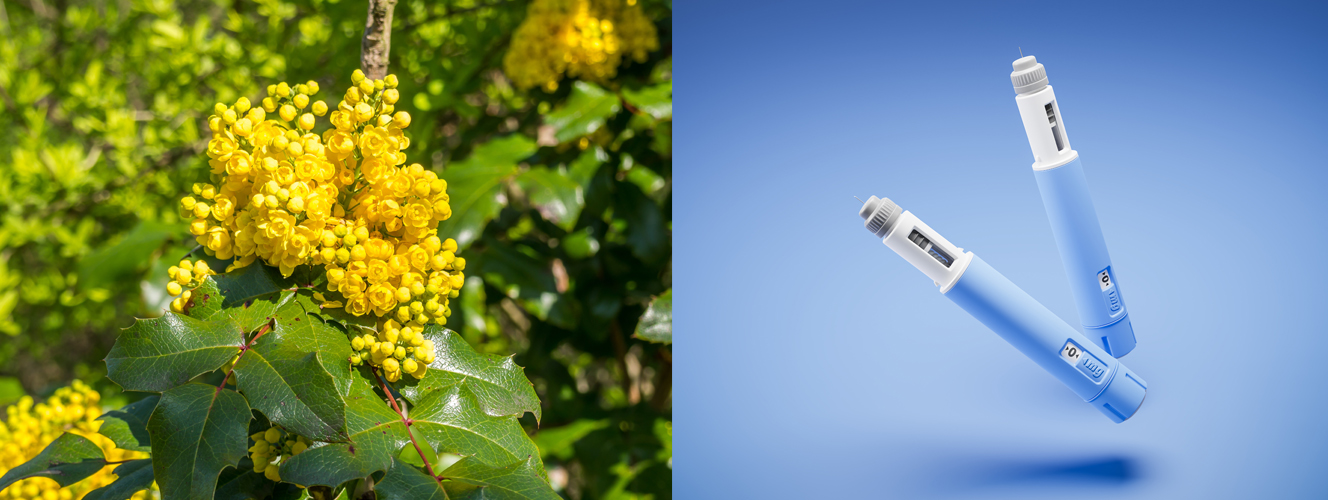
While both berberine and Ozempic can affect metabolic health, they work through very different mechanisms. Berberine primarily activates AMPK, a key regulator of cellular energy, improving insulin sensitivity and reducing glucose production in the liver. Ozempic, on the other hand, is a GLP-1 receptor agonist that mimics a naturally occurring gut hormone. It increases insulin secretion, slows gastric emptying, and significantly suppresses appetite.
When comparing clinical outcomes, Ozempic delivers far more dramatic results. In large-scale clinical trials, Ozempic has been shown to produce 10–15% weight loss over the course of a year. Berberine, while helpful for some, typically results in only 2–5% weight loss, if any. Similarly, Ozempic’s ability to lower blood sugar has been validated in large, long-term studies with consistent outcomes, whereas berberine’s research is largely small, short-term, and variable in effect.
That said, berberine has some advantages. It is affordable, widely available over the counter, and rooted in centuries of traditional medicine. Ozempic, by contrast, is expensive, requires a prescription, and can come with serious side effects. Still, it’s important to recognize that neither substance — natural nor pharmaceutical — is a magic cure. Reducing either one to a quick fix risks ignoring the larger, more complex picture of long-term health.
A Wiser Path to Radiant Health
Chasing the latest supplement trend — even if it’s natural — can pull us away from the deeper work of healing. Berberine may be a useful tool for some people, especially in the short term and under supervision. But using it as a quick fix to mirror Ozempic’s effects ignores the broader picture of what radiant health truly means.
Radiant health is not just a matter of weight or blood sugar — it’s about resilience, vitality, balance, and connection. It comes from nourishing the whole body, mind, and spirit. No pill, natural or pharmaceutical, can replace the power of aligned choices in how we eat, move, rest, and relate.
So yes, berberine may help. But the real medicine is still within your reach — and it doesn’t come in a capsule.

Mark J. Kaylor is a passionate advocate for holistic health and natural remedies, with a focus on extending both lifespan and healthspan. As the founder of the Radiant Health Project and host of Radiant Health Podcast, Mark blends in-depth research with traditional wisdom to empower others on their journey to vibrant health. Through his writing and speaking, he shares insights into the transformative power of herbs, nutrition, and lifestyle practices.
Disclaimer: All information and results stated here is for educational and entertainment purposes only. The information mentioned here is not specific medical advice for any individual and is not intended to be used for self-diagnosis or treatment. This content should not substitute medical advice from a health professional. Always consult your health practitioner regarding any health or medical conditions.