


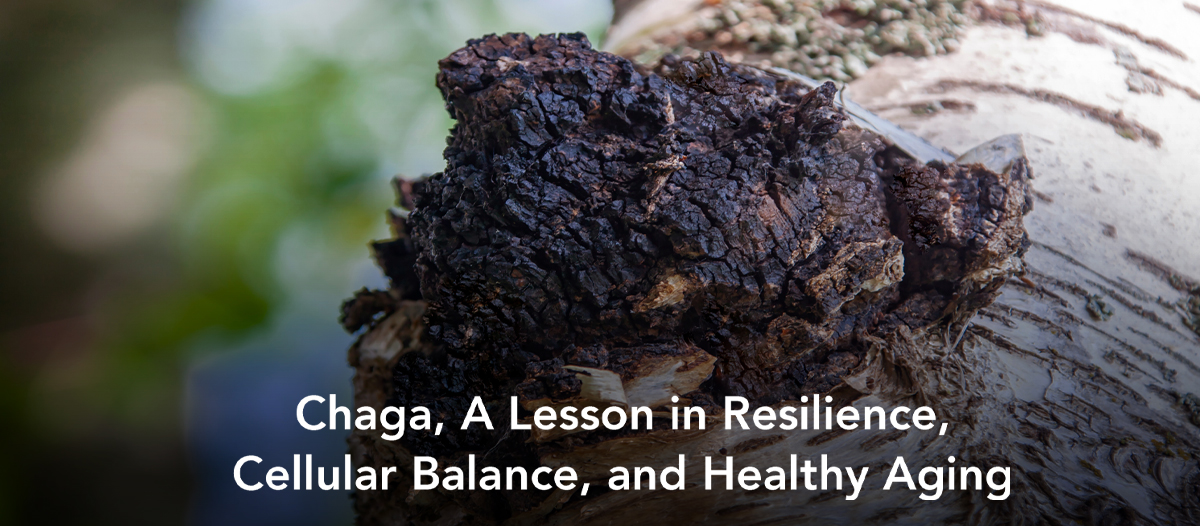
Chaga, A Lesson in Resilience, Cellular Balance, and Healthy Aging
by Mark J Kaylor
Quick Summary
Chaga is a slow-growing forest mushroom that survives some of nature’s harshest conditions – bitter cold, intense UV radiation, and nutrient-poor environments. Over decades, it develops protective compounds that help it endure these stresses without breaking down.
Aging in humans works similarly. It’s not just about time passing – it’s about how well your cells handle daily stress, produce energy, and repair damage. When these systems stay balanced, you age with more vitality. When they become overwhelmed, you feel it: fatigue, slower recovery, persistent inflammation, foggy thinking.
Chaga offers a natural model of resilience. Instead of forcing or stimulating your body, it supports the systems that manage oxidative stress, keep your cellular energy factories running smoothly, and help you adapt to whatever life throws at you.
From a Radiant Health perspective, Chaga reminds us that healthy aging isn’t about anti-aging miracles. It’s about strengthening what your body already knows how to do.

Healthy aging is less about stopping time and more about how well your body handles everyday stress.
Think about what happens in a typical day. Your metabolism produces oxidative byproducts just from converting food to energy. Environmental toxins add to the load. Poor sleep, emotional stress, and processed foods pile on. Inflammation builds quietly in the background.
None of this is unusual. It’s life.
The question is: how well does your body manage it?
When you’re young, your cells handle this stress efficiently. They produce energy cleanly, neutralize damage quickly, and repair themselves before problems compound. You bounce back from a hard workout. You recover from a stressful week. You sleep well and wake up restored.
As you age, this adaptive capacity gradually weakens. The same stresses that once rolled off now accumulate. You feel it as persistent fatigue, nagging inflammation, slower recovery, reduced mental clarity.
This is where cellular balance matters. And it’s where Chaga offers something worth understanding.
Chaga as a Teacher of Resilience
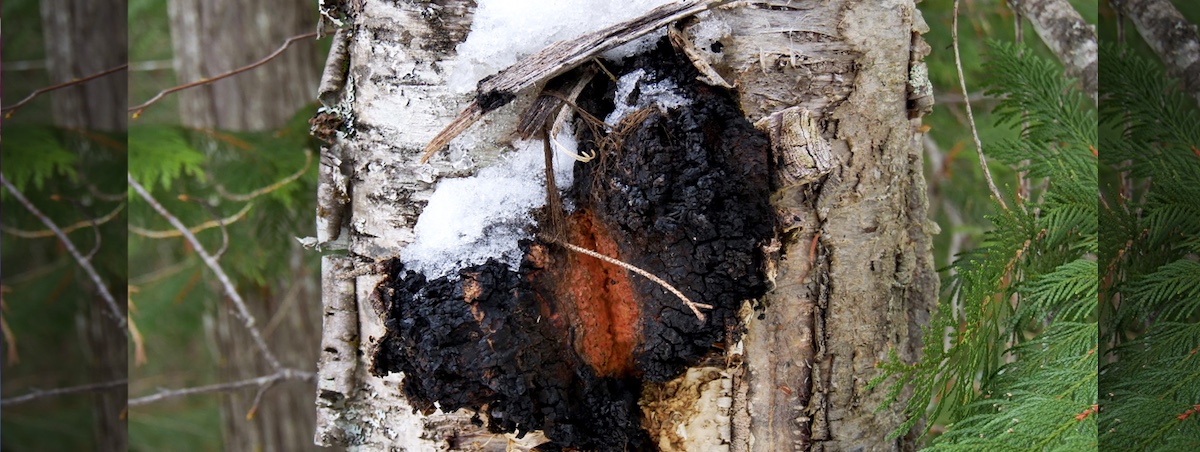
Chaga grows on birch trees in cold northern forests – Siberia, northern Canada, Alaska. It doesn’t grow fast. A single mushroom might take 20 years to develop into a harvestable size.
During that time, it endures freezing winters, intense ultraviolet radiation in summer, competition from other fungi, and nutrient scarcity. Most organisms can’t survive these conditions long-term. Chaga not only survives, it thrives there.
How?
It doesn’t fight these stresses head-on. Instead, it develops a dense array of protective compounds: polyphenols that buffer oxidative damage, melanin that absorbs UV radiation, enzymatic systems that maintain internal balance under extreme pressure.
These aren’t random adaptations. They’re the result of prolonged environmental stress met with intelligent biological response.
When you consume something shaped by these conditions, you’re accessing that adaptive intelligence. You’re not just getting nutrients, you’re getting the biological wisdom of survival under pressure.

What Happens Inside Aging Cells
Inside every cell in your body are mitochondria – your cellular power plants. They take the food you eat and the oxygen you breathe and convert them into usable energy.
But mitochondria do more than produce energy. They also regulate inflammation, manage oxidative balance, signal when damaged cells need to be cleared, and coordinate cellular repair.
Here’s the problem: mitochondria are both producers and targets of oxidative stress.
When they’re functioning well, they generate small amounts of reactive oxygen as part of normal metabolism, and they have systems to neutralize it. This creates useful cellular signals that help your body adapt to stress.
When oxidative stress exceeds their buffering capacity – from chronic inflammation, environmental toxins, poor diet, or simply accumulated damage over time – the mitochondria themselves become less efficient. They produce less energy, their membranes deteriorate, and they start sending distress signals that trigger more inflammation.
This creates a downward spiral. Less efficient energy production means you feel fatigued. Damaged mitochondrial membranes mean cellular communication breaks down. Increased inflammation means slower recovery and accelerated aging.
You feel this as: waking up tired, afternoon crashes, brain fog, longer recovery from exercise, persistent low-grade inflammation.
How Chaga Supports Cellular Balance
Chaga doesn’t eliminate oxidative stress – that would be counterproductive, since some oxidative activity is necessary for healthy immune function and cellular signaling.
Instead, Chaga helps restore balance.
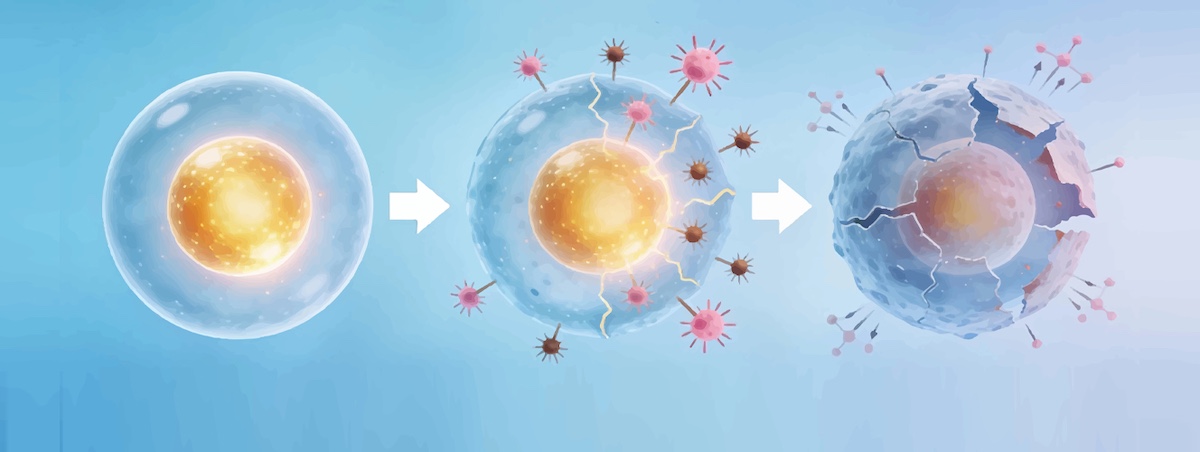
Its polyphenols support your body’s natural antioxidant systems, helping buffer excess oxidative stress before it damages mitochondria. Its melanin compounds – the same dark pigments that protect it from UV radiation in the forest, appear to support protective mechanisms in human cells. Its enzymatic activity works alongside your body’s own defense systems rather than replacing them.
This kind of support is foundational, not stimulating.
Compare this to the common wellness approach: take something that forces a result. A stimulant for energy. A megadose antioxidant to “blast” free radicals. A supplement that overrides your body’s signals.
Chaga works differently. It doesn’t push. It supports the systems that manage stress, produce energy efficiently, and maintain repair capacity over time.
This matters because healthy aging isn’t about forcing outcomes. It’s about preserving your body’s ability to respond, adapt, and recover.
What Resilience Actually Looks Like
The wellness industry loves the word “anti-aging.” It implies you can stop or reverse time if you just find the right combination of supplements, biohacks, and interventions.
Nature offers a different model.
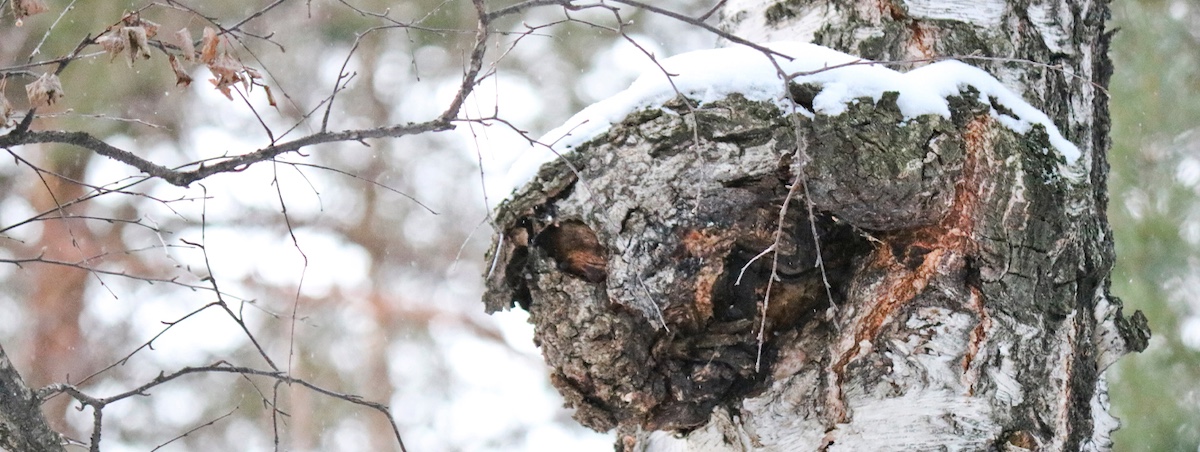
Chaga doesn’t resist its environment. It adapts to it. Its strength comes from enduring stress intelligently – conserving resources, protecting what matters, responding flexibly to changing conditions.
This is what human resilience looks like too.
Not constant optimization and pushing harder. Not treating your body like a machine that needs upgrading.
But rather: supporting the systems that allow you to recover from stress, maintain cellular balance, and stay engaged with life as you age.
You don’t need to understand redox homeostasis to benefit from this. You just need to notice what helps you feel more resilient, steadier energy, clearer thinking, better recovery, less inflammation and what leaves you depleted.
Chaga supports resilience because it was shaped by the same principle.

A Wiser Relationship with Aging
At the Radiant Health Project, we look for allies in nature that work with the body rather than override it. Chaga fits this philosophy completely.
It’s not a miracle. It’s not a shortcut. It won’t reverse decades of poor choices overnight.
But used consistently, as part of a broader approach that respects your body’s rhythms and needs, it can help strengthen what you already have: the ability to manage stress, maintain cellular energy, and age with vitality rather than depletion.
That’s not anti-aging.
That’s intelligent aging.
Turn to Chaga not because it promises the impossible, but because it reminds you what’s actually possible: supporting your body’s innate wisdom, strengthening resilience, and moving through the years with more balance and less struggle.

Mark J. Kaylor is a passionate advocate for holistic health and natural remedies, with a focus on extending both lifespan and healthspan. As the founder of the Radiant Health Project and host of Radiant Health Podcast, Mark blends in-depth research with traditional wisdom to empower others on their journey to vibrant health. Through his writing and speaking, he shares insights into the transformative power of herbs, nutrition, and lifestyle practices.
The Radiant Health Project is a not-for-profit initiative dedicated to cutting through wellness industry hype and sharing evidence-informed, traditional wisdom for genuine health.
Disclaimer: All information and results stated here is for educational and entertainment purposes only. The information mentioned here is not specific medical advice for any individual and is not intended to be used for self-diagnosis or treatment. This content should not substitute medical advice from a health professional. Always consult your health practitioner regarding any health or medical conditions.