



Where’s the Joy?
by Mark J Kaylor
We’re drowning in advice about how to “find” joy, as if it’s hidden somewhere beyond the next vacation, promotion, or wellness retreat. The billion-dollar happiness industry wants us to believe joy requires the right supplement stack, the perfect morning routine, or a spiritual awakening in Bali. But joy isn’t waiting to be discovered in some future moment when everything finally aligns.
Joy lives in the space between breaths, in the quality of our attention, in our willingness to meet this exact moment as it is.
The ancient healing traditions understood something our modern culture has forgotten: joy isn’t a destination or even an emotion that washes over us unbidden. In Traditional Chinese Medicine, the concept of Shen, often translated as “spirit” or “consciousness”, points toward that luminous quality of presence that makes life feel worth living. Joy emerges when Shen is nourished and settled, when we’re not scattered across a dozen regrets and anxieties but genuinely here.
This isn’t passive. Joy is a practice; a choice we make again and again to inhabit our lives rather than merely survive them.
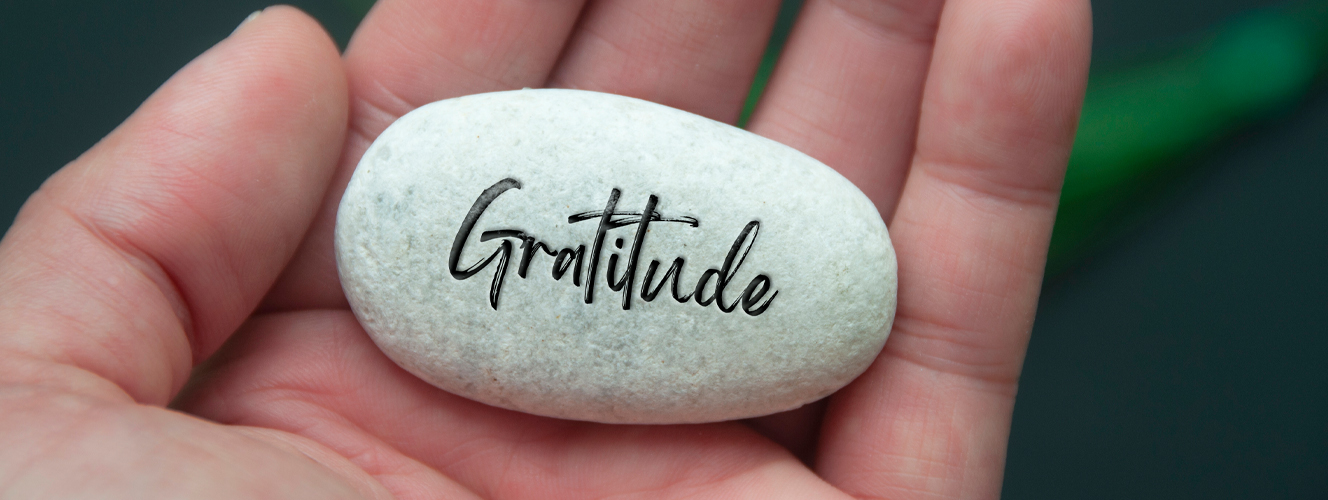
Consider gratitude, not the Instagram version where we perform thankfulness for the algorithm, but the quiet recognition of what actually sustains us. The friend who shows up. The body that carries us through another day, however imperfectly. The morning light that costs nothing and asks nothing in return. These small acknowledgments train our attention toward what nourishes rather than what depletes.
Deep connection offers another pathway. Not the superficial networking or transactional relationships our culture prizes, but the kind of presence that sees and is seen. Joy often arrives in those moments when masks drop, and we remember we’re not alone in our messy humanity.

Nature provides its own instruction. Step outside the manufactured environments we’ve built, and something shifts. The nervous system settles. Perspective returns. We remember we’re part of something larger than our personal narratives of success and failure. This isn’t mysticism, it’s biology. We evolved outdoors, and our bodies still remember.
For those who find meaning in spiritual faith, joy often emerges through surrender to something beyond the ego’s constant demands. Whether through prayer, meditation, or simply acknowledging mystery, this practice creates spaciousness around our suffering.
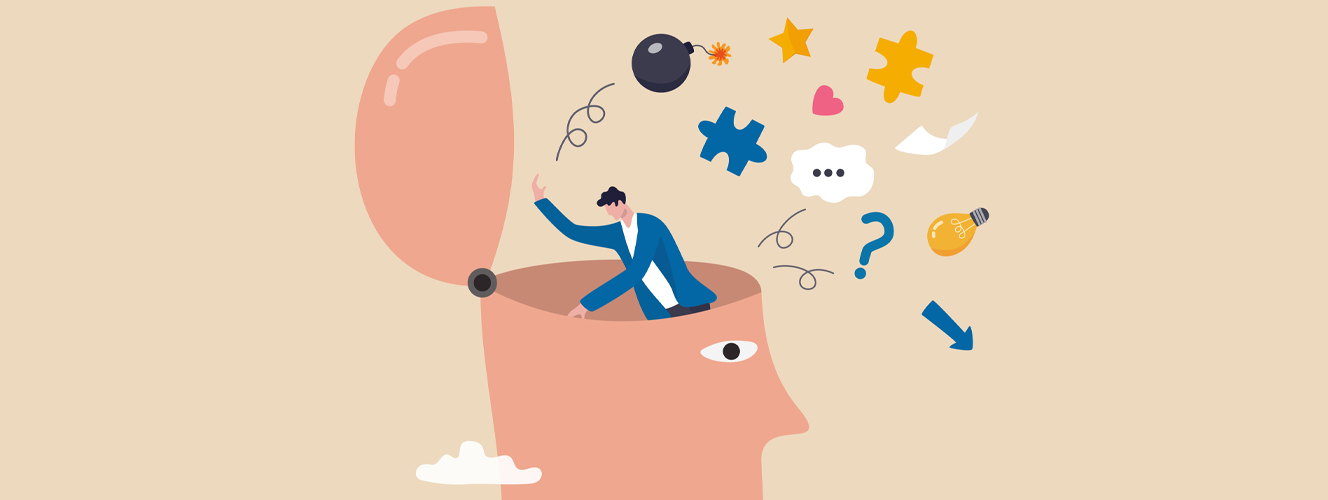
But here’s what matters most: joy doesn’t require perfect circumstances. In fact, waiting for everything to align before we allow ourselves to feel alive is a recipe for lifelong disappointment. Life is messy. Pain visits. Loss is guaranteed. Yet joy can coexist with difficulty when we learn to notice the small moments of grace that appear even in hard times. The unexpected kindness. The brief respite. The way sunlight falls across a kitchen table.

This isn’t toxic positivity pretending everything is fine. It’s the mature recognition that our attention is the most powerful tool we have. We can’t always control what happens, but we can choose what we feed with our focus.
So where’s the joy? Right here. In the choice to show up fully for this imperfect moment. In the decision to notice what’s beautiful alongside what’s broken. In the practice of gratitude, connection, presence, and faith, not as destination, but as the path itself.

Mark J. Kaylor is a passionate advocate for holistic health and natural remedies, with a focus on extending both lifespan and healthspan. As the founder of the Radiant Health Project and host of Radiant Health Podcast, Mark blends in-depth research with traditional wisdom to empower others on their journey to vibrant health. Through his writing and speaking, he shares insights into the transformative power of herbs, nutrition, and lifestyle practices.
The Radiant Health Project is a not-for-profit initiative dedicated to cutting through wellness industry hype and sharing evidence-informed, traditional wisdom for genuine health.
Disclaimer: All information and results stated here is for educational and entertainment purposes only. The information mentioned here is not specific medical advice for any individual and is not intended to be used for self-diagnosis or treatment. This content should not substitute medical advice from a health professional. Always consult your health practitioner regarding any health or medical conditions.