


The Three Treasures and Your Health:
Understanding Jing (Part 2 of 4)
by Mark J Kaylor
Quick Summary
Beneath your daily ups and downs in energy lies something deeper: Jing, the essence that forms the foundation of your vitality, longevity, and resilience. Traditional Chinese Medicine (TCM) teaches that Jing is the most precious of the Three Treasures (Jing, Qi, and Shen). It determines how you grow, age, reproduce, and regenerate.
You are born with a finite amount of prenatal Jing, your inherited essence, but you can preserve it and strengthen your reserves through postnatal Jing, which is built from the food you eat, the air you breathe, the way you rest, and how you live.
This article explores how to protect and nourish Jing through wise living, traditional foods, and restorative herbs. It also bridges TCM wisdom with modern science, linking Jing to telomere health, mitochondrial function, hormonal balance, and stem cell reserves. When we understand Jing not as something mystical but as the root vitality that sustains life itself, health becomes less about endless optimization and more about wise stewardship of what truly matters.
If you could see your deepest reserves of vitality, what would they look like? Traditional Chinese Medicine has contemplated this question for millennia, recognizing that beneath our daily fluctuations in energy lies something more fundamental: Jing, the essence that determines not just how long we live, but how well we age. Understanding Jing is key to natural anti-aging, sustained energy, and true longevity.
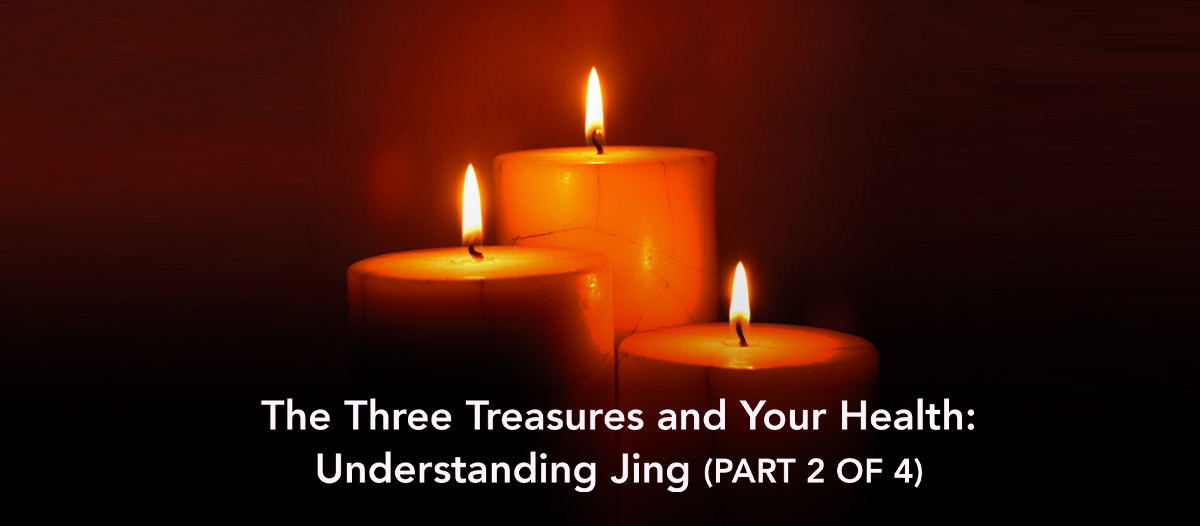
In our introductory post, we explored the Three Treasures framework: Jing (essence), Qi (vital energy), and Shen (spirit). Think of them like a candle: Jing is the wax itself, Qi is the flame, and Shen is the light. Today we dive deep into that first treasure, the foundation of your vitality, to understand what it means for your health and how to preserve it wisely.
Understanding Jing: Your Constitutional Foundation
Jing is perhaps the most profound and least understood of the Three Treasures in Western wellness culture. While Qi has become familiar and Shen is gaining recognition, Jing remains mysterious. Yet it may be the most crucial for your long-term health.
The classical texts describe Jing as the “treasure you cannot renew.” You receive a finite amount at conception, a combination of your parents’ Jing that becomes your constitutional inheritance. This prenatal Jing determines your baseline vitality, your capacity for growth and development, your reproductive potential, and fundamentally, how you age.
While you cannot create more Jing (despite what expensive supplements might claim), you can preserve what you have, use it wisely, and even supplement it through what Traditional Chinese Medicine calls postnatal Jing, derived from the essence of food, air, and proper living.
The Two Types of Jing: Congenital and Postnatal
Understanding the distinction between these two forms of Jing is crucial for anyone seeking to optimize their vitality and lifespan. This isn’t academic hair-splitting, but practical wisdom that changes how you approach your health.
Congenital Jing: Your Inherited Foundation
Congenital Jing, also called prenatal or inherited Jing, is what you receive at conception from your parents. It’s the combination of your mother’s and father’s Jing, determining your constitutional type, your basic vitality, and your fundamental resilience.
This form of Jing governs your genetic inheritance, your baseline health, your growth potential, and your innate capacity to resist disease. In modern terms, think of it as your genetic blueprint, epigenetic factors inherited from your parents, mitochondrial DNA (passed through the maternal line), and your fundamental metabolic set point.
Here’s what matters most: you cannot increase congenital Jing. This isn’t pessimism, but realism. The wellness industry will sell you products claiming to “boost” or “restore” your fundamental essence. This is marketing fiction. What you inherited is what you have.
However, and this is crucial, you absolutely can preserve it. Every choice you make either conserves or depletes these inherited reserves. Someone born with abundant congenital Jing can squander it through poor lifestyle. Someone with more modest reserves can husband them wisely and maintain vitality across a full lifespan.
Postnatal Jing: Your Acquired Reserves
Postnatal Jing, also called acquired Jing, is what you build from food, water, air, and lifestyle after birth. This is where you have genuine agency and where wise choices make tremendous difference.
The body extracts essence from what you consume and how you live, refining it into a form that can supplement and support your congenital reserves. Strong postnatal Jing helps preserve your precious inherited Jing, while weak postnatal Jing forces your body to draw more heavily on constitutional reserves.
Think of congenital Jing as your trust fund and postnatal Jing as your earned income. You can’t change the size of the trust fund, but you can absolutely affect your income and whether you need to dip into that trust fund or can let it remain intact.
Building Postnatal Jing: Foods That Nourish Deeply
Certain foods are recognized across traditional medical systems as particularly nourishing to deep reserves. Notice these aren’t exotic superfoods marketed by wellness influencers, but traditional nutrient-dense foods that sustained healthy populations for generations.
Animal-Based Jing Builders
Bone broth and bone marrow: Rich in minerals, collagen, gelatin, and amino acids. The long, slow extraction pulls essence from bones in a way our ancestors understood intuitively. This isn’t trendy; it’s traditional wisdom.
Organ meats: Liver, kidney, heart from properly raised animals. These are among the most nutrient-dense foods available, rich in vitamins A, D, K2, B vitamins, iron, zinc, and CoQ10. Traditional cultures prized these above muscle meat.
Fish roe and seafood: Particularly wild-caught fish eggs, oysters, and fatty fish like wild salmon and sardines. Concentrated sources of omega-3 fatty acids, vitamin D, selenium, and zinc.
Eggs: Especially from pastured poultry. The yolk concentrates nutrients needed for creating new life, including choline, vitamin A, and essential fatty acids.
Raw dairy from grass-fed animals: For those who tolerate it well. Rich in fat-soluble vitamins, beneficial bacteria, and bioavailable minerals.
Plant-Based Jing Builders
Nuts and seeds: Especially walnuts, black sesame seeds, pine nuts, and almonds. Rich in healthy fats, minerals, and vitamin E. Black sesame is particularly prized in Traditional Chinese Medicine for nourishing kidney Jing.
Sea vegetables: Kelp, dulse, nori, and other seaweeds. Concentrated sources of minerals and trace elements, particularly iodine for thyroid function.
Medicinal mushrooms: Reishi, Cordyceps, Lion’s mane, Shiitake, Maitake. These aren’t just vegetables; they’re recognized in Traditional Chinese Medicine as superior tonics with immune-modulating and adaptogenic properties.
Root vegetables: Sweet potatoes, yams, beets, carrots. Foods that grow underground are considered particularly grounding and nourishing to kidney Jing.
Dark leafy greens: Especially nettle, dandelion greens, and other mineral-rich varieties. Rich in folate, iron, calcium, and magnesium.
Berries: Particularly goji berries (lycium), blackberries, and blueberries. Goji berries specifically are a classical Jing tonic in Chinese medicine, rich in antioxidants and polysaccharides.
Traditional Herbs for Building Postnatal Jing
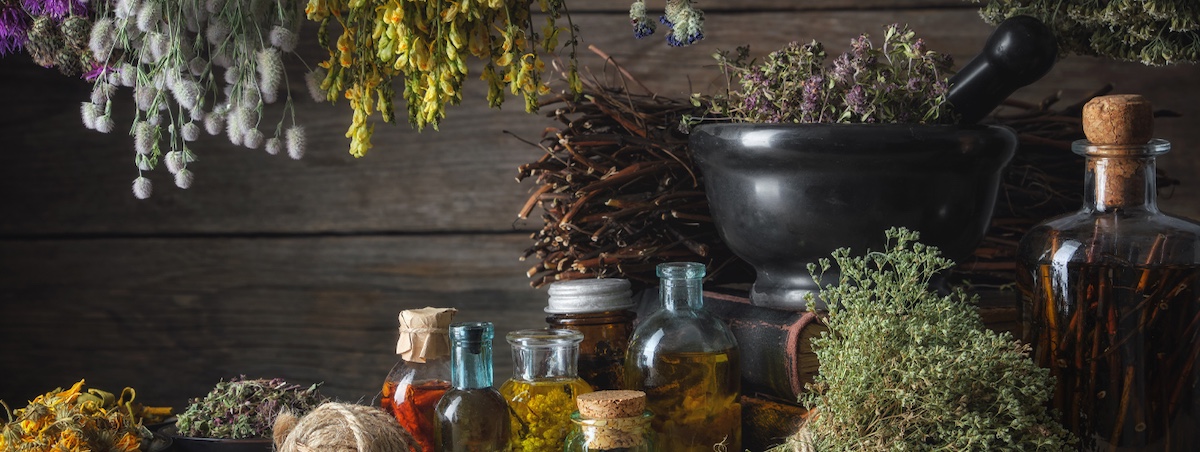
Traditional Chinese Medicine recognizes specific herbs as superior Jing tonics. These should be approached with respect, ideally under guidance from a qualified herbalist or Traditional Chinese Medicine practitioner who can assess your individual constitution.
The following herbs are classical Jing builders, but remember: herbs work best as part of a holistic approach that includes proper lifestyle, not as magic bullets compensating for poor choices.
Rehmannia (Shu Di Huang): Perhaps the premier kidney Jing tonic in the Chinese pharmacopeia. Used in prepared form, it nourishes blood and Jing. Found in many classical formulas including the famous Liu Wei Di Huang Wan (Six Ingredient Pill with Rehmannia).
Eucommia bark (Du Zhong): Tonifies kidney yang and strengthens bones and sinews. Particularly valuable for those with lower back weakness, a classic sign of kidney Jing deficiency.
Cordyceps (Dong Chong Xia Cao): A powerful adaptogenic mushroom that tonifies both kidney yin and yang. Modern research confirms benefits for energy, endurance, and immune function.
Goji berry (Gou Qi Zi): Both food and medicine, goji nourishes kidney and liver, benefiting Jing, blood, and eyes. One of the few Jing tonics safe for long-term daily use.
Chinese yam (Shan Yao): Tonifies kidney, spleen, and lung Qi, helping to strengthen postnatal Jing production. Gentle and safe for most constitutions.
Reishi mushroom (Ling Zhi): Called the “mushroom of immortality,” reishi is an adaptogen that supports immune function, calms the spirit, and protects kidney Jing.
Schisandra berry (Wu Wei Zi): “Five flavor fruit” that tonifies all five organ systems, particularly valuable for preserving Jing while supporting adaptation to stress.
Cistanche (Rou Cong Rong): A powerful kidney yang tonic, particularly for those with signs of coldness, low energy, and diminished sexual vitality.
Morinda root (Ba Ji Tian): Strengthens kidney yang and fortifies bones and sinews, traditionally used for improving vitality and longevity.
A critical note: Traditional formulas typically combine multiple herbs in specific proportions, tailored to individual patterns of imbalance. Taking isolated herbs or random combinations is less effective and potentially problematic. Work with a qualified practitioner rather than self-prescribing based on internet research.
Lifestyle Practices That Build Postnatal Jing
Beyond what we’ve already discussed, certain practices specifically support the generation and preservation of postnatal Jing:
Proper breathing practices: Deep, diaphragmatic breathing and specific qigong breathing techniques help extract more Qi from air, which supports postnatal Jing formation. The breath is one of our primary postnatal sources.
Meditation and stillness practices: Beyond simple stress reduction, these practices offer actual conservation of resources. Constant mental activity depletes Jing over time. Regular periods of genuine stillness allow restoration.
Appropriate sexual practices: While excessive sexual activity depletes Jing (especially ejaculation in men), appropriate sexual vitality with conservation practices can actually support healthy hormone balance and kidney Jing.
Cold exposure practices: When done appropriately (not excessively), brief cold exposure can strengthen kidney yang and overall constitutional resilience. This includes cold water immersion or traditional practices like cold morning face washing.
Seasonal living: Aligning activity levels with seasons. Winter is for conservation and storing Jing, summer for appropriate activity. Modern culture ignores this, demanding constant productivity year-round.
Grounding practices: Direct contact with earth, walking barefoot, time in nature. While this sounds new age, there’s growing research on the physiological benefits of grounding, and traditional wisdom has always recognized connection to earth as fundamentally nourishing.
Proper meal timing and eating practices: Eating in a calm state, chewing thoroughly, not eating late at night. How you eat affects how well your body can extract essence from food.
The key insight: building postnatal Jing isn’t about adding more interventions to an already busy life. It’s about fundamental shifts in how you live, eat, breathe, and move through the world. These practices support your body’s natural ability to transform what you consume into the deep nourishment that preserves your constitutional reserves.

Jing in Modern Terms: What Science Says About Life Force Energy
Modern science doesn’t use the word Jing, but it describes remarkably similar concepts related to cellular aging, hormone health, and longevity through different lenses:
Genetic potential and telomere length: Your DNA provides the blueprint, while telomeres (protective caps on chromosomes) shorten with age and stress, affecting cellular aging. This mirrors the classical understanding of finite constitutional reserves.
Hormonal reserves and the HPA axis: Your hypothalamic-pituitary-adrenal axis governs stress response and hormonal balance. Chronic activation depletes these systems, much like burning through Jing too quickly.
Mitochondrial function: These cellular powerhouses determine your fundamental energy capacity. Declining mitochondrial health correlates with aging and chronic disease, reflecting Jing depletion.
Reproductive vitality and fertility: Ovarian reserve in women and sperm quality in men both decline with age, directly corresponding to Jing’s role in reproduction.
Bone marrow and stem cell reserves: Your capacity for renewal and repair depends on these fundamental reserves, which Traditional Chinese Medicine associates directly with Jing stored in the kidneys and bones.
The convergence is striking. What ancient physicians observed as Jing, modern science measures as multiple interconnected systems that determine your constitutional strength, resilience, and rate of aging.
The Kidney Connection: Adrenal Health and Vital Energy
In Traditional Chinese Medicine, Jing is stored in the kidneys. Before you think this means only your physical kidneys (though they’re certainly involved), understand that “kidney” in Chinese medicine refers to a functional system rather than just the organs. This system closely relates to what modern medicine calls adrenal health and hormonal balance.
The kidney system governs water metabolism, bone health, hearing, brain function, reproductive capacity, hormone production, willpower, and importantly, your fundamental vitality. It’s the root of both yin (cooling, nourishing) and yang (warming, activating) energies in the body.
Strong kidney Jing manifests as robust bone density, sharp mental clarity, good hearing, lustrous hair, strong teeth, healthy sexual function, balanced hormones, and deep reserves of energy. Depleted kidney Jing shows up as premature graying, hearing loss, weak knees and lower back, poor memory, infertility, chronic fatigue that rest doesn’t resolve, hormone imbalances, and accelerated aging.
This isn’t mysticism. Modern medicine recognizes the kidneys’ central role in filtering blood, regulating blood pressure, producing hormones (including those affecting bone health and red blood cell production), and maintaining electrolyte balance. The traditional framework simply encompasses a broader understanding of these interconnections.
How We Deplete Life Force Energy: Modern Causes of Chronic Fatigue
The ancient physicians identified certain activities and lifestyles as “Jing-depleting” or energy-draining. Modern life has amplified these factors exponentially while adding entirely new ones that contribute to chronic fatigue, burnout, and premature aging.
Chronic Stress, Burnout, and Overwork
The modern hustle culture glorifies burning the candle at both ends. But this isn’t just depleting Qi (daily energy). Sustained overwork without adequate recovery forces the body to draw on deeper reserves, essentially converting Jing into Qi to keep going. This is like burning your furniture to heat your house, and it’s a primary cause of adrenal fatigue and burnout.
The research on chronic stress confirms this: elevated cortisol damages the hippocampus, accelerates telomere shortening, impairs immune function, depletes hormones, and disrupts the very systems Traditional Chinese Medicine associates with Jing.
Excessive Sexual Activity
The classical texts are clear about this, though it’s rarely discussed in modern wellness spaces. Sexual activity, particularly ejaculation in men, is considered Jing-depleting when excessive. This isn’t moral judgment but physiological observation.
Modern research supports this understanding. Semen contains remarkable concentrations of nutrients, hormones, and cellular material. The post-orgasmic refractory period reflects real biochemical and neurological changes. The key word is “excessive,” which varies by age, constitution, and season. This isn’t about abstinence but about wisdom and balance.
Sleep Deprivation and Insomnia
Sleep is when Jing is conserved and replenished through postnatal sources. Chronic sleep deprivation and insomnia don’t just leave you tired; they accelerate aging at the cellular level and deplete hormone reserves. Studies show inadequate sleep shortens telomeres, impairs DNA repair, disrupts hormone production including growth hormone and testosterone, and accelerates cognitive decline.
The traditional recommendation of aligning sleep with natural circadian rhythms (sleeping when it’s dark, being active when it’s light) isn’t old-fashioned moralizing. It reflects deep understanding of how our biology is designed to function.
Substance Abuse and Stimulant Dependence
Stimulants, whether coffee consumed all day long, energy drinks, or harder substances, force the body to provide energy it doesn’t naturally have available. Short term, this seems functional. Long term, it’s borrowing from Jing reserves.
Alcohol, recreational drugs, and even excessive pharmaceutical use stress the liver and kidneys, the very organs most associated with storing and transforming Jing. The wellness industry won’t tell you this because they want to sell you more supplements to “support your adrenals” after you’ve depleted them with poor lifestyle choices.
Nutritional Depletion and Poor Diet
Jing has both prenatal (inherited) and postnatal (acquired) aspects. While you can’t change what you were born with, you absolutely can nourish or deplete yourself through diet. The Standard American Diet, high in processed foods, refined sugars, and inflammatory oils, provides calories without genuine nourishment, leading to nutrient deficiencies despite adequate or even excessive calorie intake.
Traditional Jing-nourishing foods tend to be nutrient-dense, often from animal sources or rich plant foods: bone broths, organ meats, eggs, fish roe, sea vegetables, nuts, seeds, medicinal mushrooms. These aren’t trendy superfoods marketed by wellness influencers, but time-tested sources of deep nutrition that support hormone health, cellular repair, and longevity.
How to Increase Energy and Vitality Naturally: Nourishing Your Life Force
The good news is that while you cannot manufacture new prenatal Jing, you can absolutely preserve what you have and supplement it through wise living. This isn’t about adding supplements to an unhealthy lifestyle. It’s about fundamental changes in how you live that support natural energy, hormone balance, and healthy aging.
Prioritize Deep, Adequate Sleep
This remains foundational. Seven to nine hours nightly, aligned with natural darkness when possible. Sleep is the foundation of Jing preservation. No supplement, no biohack, no productivity technique can compensate for chronic sleep deprivation.
Create genuine darkness in your bedroom. Reduce screen exposure before bed. Keep a consistent schedule. These aren’t optional refinements but essential practices for anyone serious about long-term vitality.
Practice Stress Management and Recovery
Modern life involves stress. That’s unavoidable. But the ratio of stress to recovery is crucial. If you’re always “on,” always pushing, you’re drawing down reserves that should be preserved for genuine emergencies and for the second half of your life.
Build in genuine recovery periods. This might mean meditation, gentle movement practices like tai chi or qigong, time in nature, or simply periods of doing nothing. The modern productivity culture will tell you this is wasteful. Traditional wisdom recognizes it as essential.
Eat Nutrient-Dense Foods for Energy and Hormone Health
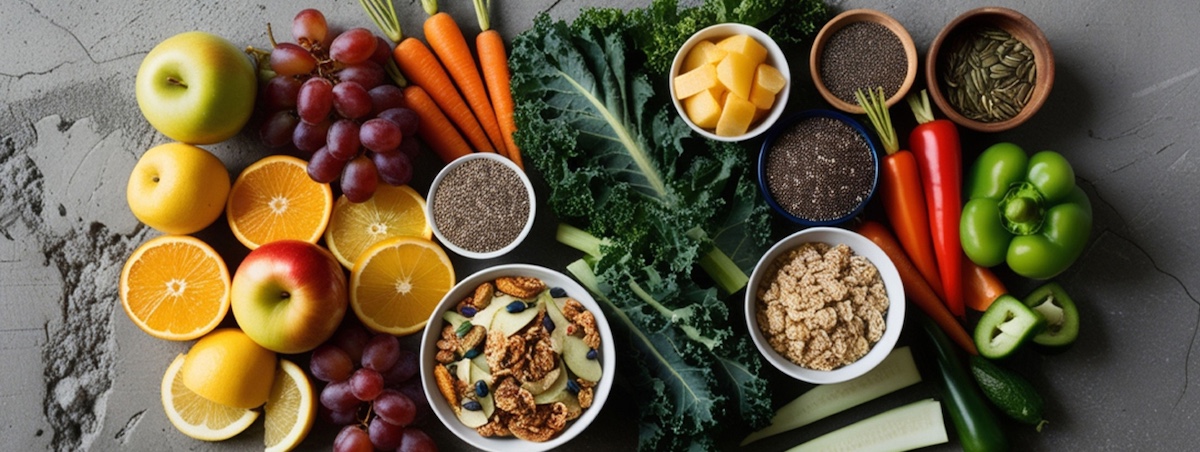
Focus on nutrient density rather than caloric content to support natural energy, hormone balance, and healthy aging. Traditional Jing-nourishing foods include:
Bone broths and marrow (rich in minerals, collagen, and amino acids)
Wild-caught fish, especially fatty fish with roe
Organ meats (liver, kidney, heart) from quality sources
Eggs from pastured poultry
Sea vegetables and mineral-rich foods
Nuts, seeds, and their butters
Medicinal mushrooms (Reishi, Cordyceps, Shiitake)
Dark leafy greens and root vegetables
Notice what’s missing from wellness industry marketing: most genuine Jing-nourishing foods are simple, traditional, and not proprietary products.
Move Wisely, Not Excessively
Exercise is essential for health, but excessive exercise depletes rather than builds. The modern fitness culture of “no pain, no gain” and constant high-intensity training is, from a Jing perspective, often counterproductive.
Balance intense exercise with gentler practices. Include practices specifically designed to conserve and cultivate energy: qigong, tai chi, gentle yoga. These aren’t just for elderly people; they’re sophisticated technologies for building deep reserves.
Strategic Use of Traditional Jing Tonics
Only after lifestyle foundations are in place should you consider herbal support. Traditional Chinese Medicine recognizes specific herbs as Jing tonics. These aren’t magic pills but can support someone who’s already doing the foundational work.
Classical Jing tonics include herbs like rehmannia, eucommia, deer antler, goji berries, and certain medicinal mushrooms. These should be used under guidance from a qualified practitioner who can assess your individual constitution and needs.
The supplement industry has commodified these traditions, selling isolated extracts at premium prices with exaggerated claims. Real herbal medicine is far more nuanced, often using combinations of herbs tailored to individual patterns of imbalance.
Common Questions About Energy Depletion and Vitality
What causes chronic fatigue that doesn’t improve with rest?
When rest doesn’t restore your energy, you may be dealing with what Traditional Chinese Medicine calls Jing depletion rather than simple Qi deficiency. This happens when prolonged stress, poor sleep, overwork, or other depleting factors force your body to draw on constitutional reserves. Unlike daily fatigue that responds to rest, this deep exhaustion requires lifestyle changes and focused nourishment of your foundational vitality.
How can I improve my energy levels naturally without stimulants?
True energy improvement comes from nourishing your body’s fundamental reserves rather than artificially stimulating depleted systems. Focus on deep sleep (7-9 hours nightly), nutrient-dense foods like bone broth and organ meats, stress management practices, and gentle movement like qigong or tai chi. Traditional Chinese Medicine herbs like goji berries, Reishi mushroom, and cordyceps can support this process, but lifestyle foundations matter most.
What are the signs of depleted life force or adrenal exhaustion?
Common signs include chronic fatigue that doesn’t improve with rest, premature graying or hair loss, weak knees and lower back, declining memory and mental clarity, fertility issues, diminished sexual vitality, poor stress resilience, weakened immunity, and accelerated aging. These patterns suggest your body is drawing too heavily on constitutional reserves and needs focused support.
Can you reverse aging and restore vitality naturally?
While you cannot reverse genetic aging or restore your inherited constitutional reserves, you can absolutely slow aging and rebuild acquired vitality through consistent lifestyle changes. Prioritizing sleep, managing chronic stress, eating nutrient-dense foods, practicing appropriate movement, and using traditional herbs strategically all support your body’s natural regenerative capacity. The key is preservation and wise stewardship rather than attempting to reverse fundamental biological processes.
What foods increase energy and support hormone balance?
The most powerful foods for deep nourishment include bone broth and marrow, wild-caught fish and fish roe, organ meats from quality sources, pastured eggs, nuts and seeds (especially black sesame and walnuts), sea vegetables, medicinal mushrooms like Reishi and Cordyceps, root vegetables, and goji berries. These traditional foods provide concentrated nutrition that supports hormone production, cellular health, and long-term vitality rather than just quick energy.

Applying Jing Wisdom to Your Life
Understanding Jing fundamentally changes how you approach your health. Instead of constantly trying to optimize and maximize, you begin thinking about preservation and wise use of finite resources.
Assess Your Current Jing Status
Consider these questions honestly:
Do you wake rested after adequate sleep, or feel exhausted even after sleeping?
Is your hair prematurely gray or thinning significantly?
Do you have chronic lower back or knee problems?
Is your memory and mental clarity declining?
Are you experiencing fertility issues or diminished sexual vitality?
Do you feel fundamentally depleted in a way that doesn’t respond to rest or nutrition?
These patterns suggest possible Jing depletion. This doesn’t mean you’re doomed, but it does mean you might consider taking preservation seriously rather than continuing to deplete yourself.
Make Strategic Life Changes
If your lifestyle is actively depleting Jing, no amount of supplements will compensate. This might mean:
Restructuring work to allow genuine recovery time
Reducing or eliminating substances that stress your system
Prioritizing sleep over entertainment or productivity
Choosing foods that nourish deeply rather than merely satisfy cravings
Building in practices that conserve rather than expend energy
These changes often require difficult choices. Modern culture pushes constant productivity and consumption. Preserving Jing requires swimming against these currents.
Think in Seasons and Stages
Traditional wisdom recognizes that Jing preservation becomes increasingly important as you age. In youth, you can draw on abundant reserves. In middle age, preservation becomes crucial. In later years, you live on the Jing you’ve carefully maintained.
This doesn’t mean young people should ignore Jing. The habits you establish early determine the reserves you have later. But it does mean your approach should evolve. What’s sustainable at 25 may be depleting at 45. Wisdom recognizes and honors these transitions.
Radiant Reflection:
“Where do you feel depletion in your life, body, mind, or spirit? What small daily practice could help you begin to preserve rather than spend your reserves?”
The Path Forward: Healthy Aging and Sustained Vitality
Jing is your constitutional treasure, the foundation upon which all other aspects of health rest. Unlike Qi, which you can cultivate daily, or Shen, which you can nurture through practice, Jing is fundamentally finite. Understanding this is key to natural anti-aging and longevity.
This isn’t cause for despair but for wisdom. When you understand you’re working with finite reserves, you make different choices. You stop buying into the hustle culture’s promise that you can do everything, be everywhere, optimize endlessly without consequence. You recognize that some things matter more than others, and that preserving your vitality matters most.
Radiant health in the context of Jing means living in a way that preserves your deepest vitality for the things that genuinely matter. It means having energy reserves for authentic challenges rather than squandering them on manufactured stress. It means reaching later life with vitality intact rather than depleted, supporting both healthspan and lifespan.
This understanding reframes health from a project of constant optimization to one of wise stewardship. You aren’t trying to maximize every system every day. You’re tending your fundamental reserves so they can sustain you across your entire lifespan, allowing you not just to live longer, but to live well with sustained energy, mental clarity, and physical vitality.
In our next post, we’ll explore Qi, the dynamic energy that flows through you daily. While Jing is your savings account, Qi is your operating budget. Understanding how to generate, circulate, and maintain this vital energy while not depleting your Jing reserves creates the foundation for sustained vitality.
Because genuine health isn’t about forcing your way through exhaustion or supplementing your way past poor choices. It’s about understanding how your body actually works and living in harmony with those deeper patterns. That wisdom is what you truly deserve.
Next in the series: Part 3 explores Qi, your daily vital energy, and the practical ways to cultivate it without depleting your essential reserves.
Key Takeaways
- Jing is your constitutional essence, your life’s foundation. It governs growth, reproduction, and longevity. When strong, you radiate vitality; when depleted, you experience deep exhaustion, premature aging, and diminished resilience.
- There are two types of Jing: prenatal (inherited) and postnatal (acquired). Prenatal Jing is your genetic inheritance; it cannot be increased, but it can be preserved. Postnatal Jing is built through diet, breath, and lifestyle, it is where your daily choices make a real difference.
- Modern science mirrors this ancient wisdom. Jing corresponds to measurable biological systems such as telomere length, mitochondrial health, hormonal balance, and stem cell vitality, all of which influence how we age.
- Jing is stored in the Kidney system, the root of life. In TCM, the Kidneys encompass adrenal, hormonal, bone, and reproductive health. Signs of Jing depletion include fatigue unrelieved by rest, weak lower back and knees, premature graying, and declining memory or fertility.
- Modern life burns through Jing faster than ever. Chronic stress, sleep deprivation, stimulants, poor diet, and constant overwork all force the body to convert Jing into Qi just to keep up, like burning your furniture to heat your home.
- You can build postnatal Jing through nourishing foods. Bone broths, organ meats, wild fish and roe, eggs, sea vegetables, nuts (especially black sesame and walnuts), medicinal mushrooms, roots, and mineral-rich greens all feed your deepest reserves.
- Certain traditional herbs support Jing restoration. Rehmannia, Goji, Cordyceps, Schisandra, Cistanche, and Chinese yam are classical Jing tonics. Use under guidance; even natural tonics like He Shou Wu can pose risks (notably to liver function).
- Lifestyle is your most powerful Jing medicine. Deep sleep, mindful rest, moderate sexual activity, qigong or meditation, and alignment with seasonal rhythms all help preserve Jing. The goal isn’t more stimulation, but conservation and restoration.
- Radiant health is wise stewardship of your essence. True longevity arises from preserving what’s finite, learning to live in rhythm, nourishing the root, and letting daily life itself become an act of replenishment.

Mark J. Kaylor is a passionate advocate for holistic health and natural remedies, with a focus on extending both lifespan and healthspan. As the founder of the Radiant Health Project and host of Radiant Health Podcast, Mark blends in-depth research with traditional wisdom to empower others on their journey to vibrant health. Through his writing and speaking, he shares insights into the transformative power of herbs, nutrition, and lifestyle practices.
The Radiant Health Project is a not-for-profit initiative dedicated to cutting through wellness industry hype and sharing evidence-informed, traditional wisdom for genuine health.
Disclaimer: All information and results stated here is for educational and entertainment purposes only. The information mentioned here is not specific medical advice for any individual and is not intended to be used for self-diagnosis or treatment. This content should not substitute medical advice from a health professional. Always consult your health practitioner regarding any health or medical conditions.