


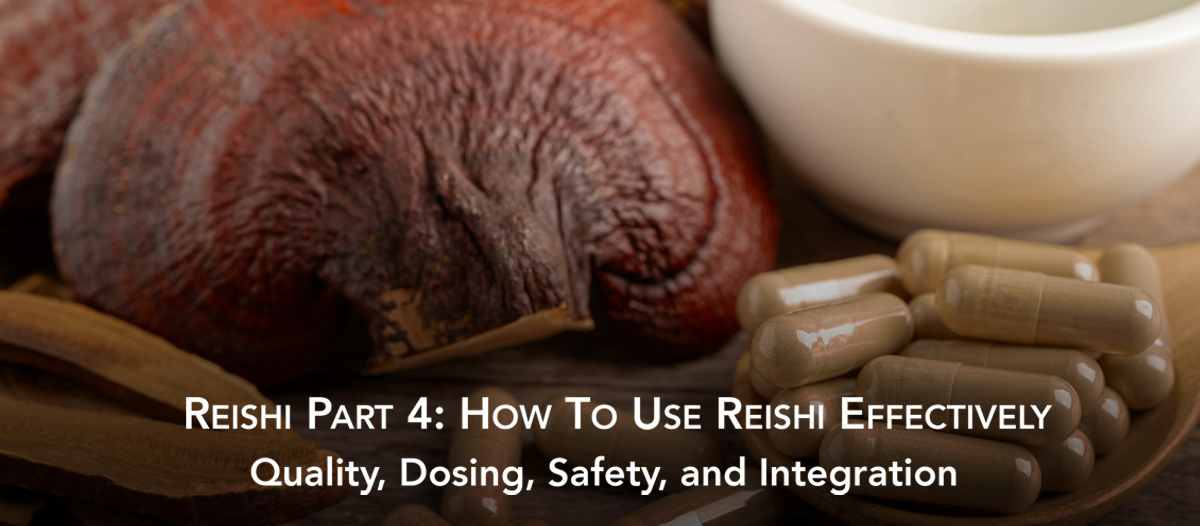
Reishi Part 4: How To Use Reishi Effectively
Quality, Dosing, Safety, and Integration
by Mark J Kaylor
We’ve covered considerable ground in this four-part series. Part 1 explored Reishi’s traditional use and cultural significance, its classification as both a Qi tonic supporting vitality and immune resilience and a Shen tonic nourishing mental clarity and emotional balance. Part 2 examined the mushroom’s non-immune benefits, from cardiovascular support to stress modulation, metabolic health to cognitive protection. Part 3 investigated Reishi’s immune-modulating properties, seeing how traditional concepts of Wei Qi align with modern immunology and why sophisticated immune modulation matters for contemporary health challenges.
Now comes the crucial question: how do you actually access these benefits? Understanding what Reishi can do means little if you can’t identify quality products, use them effectively, or integrate them appropriately into your health approach. This final part addresses the practical matters that determine whether knowledge translates into results.
What follows isn’t marketing material or product promotion. It’s an honest examination of what the research tells us about effective use, what distinguishes quality products from ineffective or fraudulent ones, what safety considerations matter, and how to think about Reishi as part of a comprehensive approach to health. Some of what you’ll read may surprise or disappoint you, particularly regarding product quality in the mushroom supplement industry. But understanding these realities protects you from wasting money while empowering you to make informed choices that can genuinely support your health.
The Quality Crisis: Why Most Reishi Products Fail
Let’s start with the uncomfortable truth that should inform every subsequent decision about Reishi products: much of what’s sold as Reishi doesn’t deliver the benefits we’ve been discussing, and some products don’t even contain actual Reishi mushroom.
A 2017 study published in Nature’s Scientific Reports examined 19 commercial Reishi products sold in the United States. Researchers used DNA analysis to verify whether products actually contained Ganoderma lucidum (Reishi) and measured levels of key bioactive compounds. The results were devastating: only five of the 19 products actually contained Reishi. The others contained different Ganoderma species, other fungi entirely, or in some cases, mostly filler materials with minimal fungal content whatsoever.
Why This Matters
This isn’t just about fraudulent labeling, though that’s certainly problematic. Different Ganoderma species have different chemical compositions and potentially different effects. Research showing specific benefits for Ganoderma lucidum doesn’t necessarily apply to other species. When you buy what you think is Reishi based on research about its cardiovascular benefits, immune modulation, or other properties, but actually receive a different species, you’re not getting what research supports.
Even products that do contain actual Reishi vary enormously in the concentration of bioactive compounds. Beta-glucan content, the primary immune-active polysaccharides, can range from minimal amounts to substantial concentrations. Triterpene levels, important for many of Reishi’s non-immune benefits, vary wildly between products. Without proper testing and verification, you have no idea whether a given product contains therapeutic levels of the compounds responsible for Reishi’s benefits.
The supplement industry suffers from inadequate regulation and enforcement. Companies can make claims without rigorous verification. Third-party testing exists but isn’t required. Many manufacturers prioritize profit over quality, using cheap raw materials, minimal processing, and clever marketing to sell products that deliver little beyond placebo effects. This isn’t universal – some companies maintain high standards and produce genuine quality products. But the prevalence of problematic products means buyers must be informed and vigilant.
Fruiting Body vs Mycelium: A Critical Distinction
Understanding the difference between fruiting body and mycelium products is essential for choosing effective Reishi supplements. This distinction matters enormously for quality, bioactive content, and whether you’ll experience the benefits research demonstrates.
What Are Fruiting Bodies and Mycelium?
The fruiting body is what we typically call the mushroom – the visible reproductive structure that emerges from substrate. For Reishi, this is the distinctive kidney-shaped or fan-shaped growth with the glossy, lacquered appearance. The fruiting body contains concentrated bioactive compounds and represents what traditional use, modern research, and cultural reverence have focused on for millennia.
Mycelium is the vegetative part of the fungus, a network of thread-like structures called hyphae that grow through substrate absorbing nutrients. Mycelium is essential for fungal life, but represents a different life stage with a different chemical composition compared to fruiting bodies.
Some companies grow mycelium on grain (typically rice, oats, or other cereals) in controlled environments, then grind up the entire mass of mycelium plus undigested grain substrate and sell it as a mushroom product. This mycelium-on-grain approach is much faster and cheaper than growing actual fruiting bodies. Fruiting bodies take months to develop. Mycelium on grain can be ready in weeks. The economic incentive is obvious.
The Research on Mycelium Products
Research comparing fruiting bodies to mycelium-on-grain products reveals significant differences in bioactive compound content. A study by a company focused on fruiting body products (full disclosure of their bias, but the analytical methods were sound), tested various mushroom supplements and found that mycelium-on-grain products contained very low levels of beta-glucans, the primary immune-active polysaccharides. Many contained high levels of alpha-glucans, which come from the grain substrate rather than the fungus, indicating that a substantial portion of the product was undigested grain rather than actual fungal material.
Research specifically on Reishi mycelium versus fruiting bodies shows similar patterns for triterpenes, the compounds responsible for many of Reishi’s cardiovascular, anti-inflammatory, hepatoprotective, and other non-immune benefits discussed in Part 2. Fruiting bodies contain significantly higher concentrations of ganoderic acids and other triterpenes compared to mycelium. Studies analyzing triterpene content consistently find fruiting bodies outperform mycelium products, often by substantial margins. Since triterpenes contribute heavily to Reishi’s therapeutic profile beyond immune function, mycelium-on-grain products miss a major component of what makes Reishi valuable.
This doesn’t mean mycelium has no value or contains no beneficial compounds. Some research shows that mycelium can produce certain bioactive compounds, and specific mycelium preparations may offer benefits. However, the traditional use, cultural significance, and overwhelming majority of research we’ve discussed throughout this series focused on fruiting bodies. When you buy mycelium-on-grain products, you’re not getting what tradition and research have validated.
Why Fruiting Body Products Matter
For Reishi specifically, fruiting body products offer several advantages. They contain the chemical profile that matches what traditional use described and what modern research investigated. They provide higher concentrations of both polysaccharides and triterpenes, the two main classes of bioactive compounds. They don’t contain grain filler that dilutes active compounds. They align with the form that earned Reishi its reputation across millennia.
When choosing Reishi products, look for clear labeling indicating fruiting body source. Many quality manufacturers will explicitly state “fruiting body” on labels and provide certificates of analysis showing beta-glucan and triterpene content. Products that don’t specify fruiting body or that list “mycelium” or “myceliated grain” should raise questions about bioactive content and whether you’re paying for actual mushroom or mostly grain substrate.
Why Extraction Is Essential: The Chitin Problem
Even with quality fruiting body material, extraction is essential for accessing Reishi’s benefits. This relates to mushroom cell structure and human digestive limitations.
Mushroom cell walls contain chitin, the same tough polysaccharide that forms insect exoskeletons and crustacean shells. Chitin is essentially indigestible for humans – we lack the enzyme chitinase needed to break it down. This means the beneficial compounds locked inside mushroom cells remain largely inaccessible when you consume raw mushroom powder.
Reishi presents particular challenges in this regard. The mushroom is extremely woody and tough, more so than most culinary mushrooms. Traditional preparation always involved decoction – simmering Reishi in hot water for extended periods, often hours. This wasn’t just tradition for tradition’s sake. Hot water extraction breaks down cell walls, releasing polysaccharides and making them bioavailable.
Hot Water vs Alcohol Extraction
Different extraction methods release different compounds. Hot water extraction effectively extracts polysaccharides, including the beta-glucans responsible for immune modulation. The heat and water break down chitin walls and dissolve these water-soluble compounds. Traditional decoction methods represent hot water extraction, and much of the research on Reishi’s immune benefits used hot water extracts.
Alcohol extraction targets different compounds, particularly triterpenes, which are less water-soluble but dissolve well in alcohol. The ganoderic acids and other triterpenes responsible for many of Reishi’s cardiovascular, anti-inflammatory, and hepatoprotective effects extract more completely in alcohol. Traditional tincture preparations represented alcohol extraction.
Dual extraction, using both hot water and alcohol sequentially, captures the full spectrum of bioactive compounds. Quality manufacturers perform hot water extraction to capture polysaccharides, then alcohol extraction on the same material to capture triterpenes, combining both extracts to create a full-spectrum product. This dual-extraction approach most completely delivers the range of compounds responsible for Reishi’s diverse benefits.
Why Raw Powder Doesn’t Work
Some products contain simply ground Reishi fruiting body with no extraction. While better than mycelium-on-grain products in terms of chemical composition, raw powder still faces the chitin problem. The beneficial compounds remain locked in cells you can’t digest. You might absorb a small fraction of bioactive compounds, but nowhere near the concentrations that research demonstrates as effective.
Studies comparing bioavailability of extracted versus non-extracted mushroom products consistently show that extraction dramatically increases absorption of bioactive compounds. The difference isn’t marginal – it’s often an order of magnitude or more. This means that even if raw powder costs less per gram, you’d need to consume ten or more times as much to approach equivalent bioavailability, making it actually more expensive and less effective than properly extracted products.
When evaluating Reishi products, extraction should be non-negotiable. Look for products explicitly labeled as extracts, ideally specifying the extraction method (hot water, alcohol, or dual extraction). Products labeled simply as “Reishi powder” or “Reishi mushroom” without mention of extraction likely offer minimal bioavailability regardless of fruiting body source.
What to Look for in Quality Reishi Products
Understanding what distinguishes quality from questionable products empowers you to make informed choices. Here are the key markers to evaluate.
Fruiting Body Source and Verification
The label should explicitly state “fruiting body” or “100% fruiting body.” Be wary of vague terms like “full spectrum,” which might include mycelium and grain. Some products list “Ganoderma lucidum” without specifying fruiting body – this could be mycelium. Quality manufacturers are transparent about using fruiting bodies because it’s a selling point.
DNA verification or species testing provides additional assurance. Some companies perform genetic testing to verify they’re actually using Ganoderma lucidum rather than other species. Given the research showing many products contain wrong species, this verification matters. Companies conducting this testing typically advertise it since it demonstrates quality commitment.
Third-Party Testing and Certificates of Analysis
Independent third-party testing provides objective verification of product contents. Quality manufacturers conduct testing through independent laboratories to verify beta-glucan content, triterpene levels, heavy metal contamination, microbial contamination, and pesticide residues. Certificates of Analysis (COAs) documenting test results should be available, either on company websites or upon request.
Be wary of companies that won’t provide COAs or that only perform in-house testing. In-house testing isn’t necessarily fraudulent, but independent verification removes conflicts of interest. The best companies make COAs readily available and update them regularly for each production batch.
Testing should cover not just bioactive compounds but also contaminants. Mushrooms can accumulate heavy metals from soil. Products grown in contaminated areas or tested inadequately might contain unsafe levels of lead, cadmium, or other toxins. Microbial testing ensures products are free from harmful bacteria or molds. Pesticide testing matters even for organic products since certification standards vary globally.
Growing Substrate: Why Logs and Wood Matter
One of the most important quality factors that rarely gets discussed is what Reishi is grown on. In nature, Reishi grows on decaying hardwood trees, particularly oaks and maples. The mushroom evolved to extract specific nutrients from wood, and this natural substrate influences the chemical composition and bioactive compound production of the fruiting bodies.
The best Reishi cultivation mimics these natural conditions by growing the mushroom on hardwood logs or wood-based substrates. This log cultivation or wood-based growth produces fruiting bodies with chemical profiles that more closely match wild Reishi and the material used in traditional medicine and research. The mushroom develops properly when grown on its natural food source, producing the full spectrum of polysaccharides, triterpenes, and other bioactive compounds.
Some commercial operations use alternative substrates like sawdust supplemented with grain or other materials to speed growth. While this can produce Reishi fruiting bodies, the substrate influences chemical composition. Wood-grown Reishi, particularly that grown in conditions mirroring wild growth patterns, tends to produce higher concentrations of beneficial compounds and more closely replicates the traditional material that earned Reishi its reputation.
When evaluating products, look for manufacturers who specify wood-based or log cultivation. Companies committed to quality often highlight this because it represents superior growing methods. Those using alternative substrates typically don’t advertise it. Questions about growing substrate should be answerable by quality manufacturers.
Most commercial Reishi comes from China, which makes perfect sense given China’s centuries of cultivation expertise and government investment in medicinal mushroom production quality. Chinese growers have refined cultivation techniques across generations, understand Reishi’s requirements intimately, and often employ traditional knowledge alongside modern methods. The key isn’t where Reishi is grown but how it’s grown and whether it’s properly tested.
Whether from China, the United States, or elsewhere, the critical factors are the same: cultivation on proper substrate (wood/logs), growing conditions that mirror natural growth patterns, proper extraction methods, and rigorous third-party testing for both bioactive content and contaminants. Geography matters far less than these quality markers. A well-grown, properly extracted, thoroughly tested Chinese Reishi product will outperform a poorly processed American-grown product every time. Focus on verifiable quality rather than origin alone.
Warning Signs of Poor Quality
Certain red flags should prompt skepticism. Extremely low prices often indicate poor quality – effective extraction is expensive, and quality fruiting bodies cost significantly more than mycelium or grain. Products making outrageous claims about curing diseases or miraculous benefits indicate companies prioritizing marketing over integrity. Vague labeling that doesn’t specify fruiting body source or extraction methods suggests manufacturers hiding poor quality. Resistance to providing COAs or transparency about testing indicates problems.
Companies that emphasize exotic-sounding processing methods or proprietary blends without providing actual analytical data may be masking inferior products with marketing language. The mushroom supplement industry unfortunately contains many companies more skilled at marketing than manufacturing. Protecting yourself requires looking past clever branding to verify actual quality through testing data and transparency.
Teas and Decoctions: Traditional but Limited
You can purchase dried Reishi fruiting body slices and prepare traditional decoction by simmering them for extended periods. This method captures water-soluble polysaccharides but misses alcohol-soluble triterpenes. The taste is intensely bitter, and preparing decoction requires time and effort.
For some people, the ritual of preparation adds value, creating a mindful practice around medicine-taking. The slower, more intentional approach aligns with traditional use and can be meditative. However, for practical purposes, properly prepared dual extracts deliver more comprehensive compound profiles with less effort. Reishi tea has cultural and experiential value but shouldn’t be considered equivalent to well-made extracts for therapeutic purposes.
Instant tea powders claiming to contain Reishi often contain minimal amounts mixed with other ingredients like sugars, flavoring agents, or other herbs. Check actual Reishi content before assuming tea products deliver meaningful doses.
Dosing: What Research Supports
Effective dosing depends on several factors including extract concentration, extraction method, and individual response. Research provides general guidance, but some individual experimentation within safe ranges often helps identify optimal personal doses.
Research-Supported Doses
Studies demonstrating various benefits have used different doses depending on extract concentration and standardization. For concentrated extracts research typically uses 1-3 grams daily, sometimes divided into multiple doses. Some studies use higher amounts, particularly for specific therapeutic goals like supporting immune function during cancer treatment.
For crude, non-extracted Reishi (less common now but historically used), traditional doses were 3-9 grams daily. The higher amounts reflect lower bioavailability of non-extracted material. This illustrates why extraction matters – you need three to ten times more raw material to approach equivalent bioavailable doses.
Tincture doses vary based on concentration ratio. A typical dose might be 2-4 milliliters two to three times daily, but this depends entirely on tincture strength. Follow manufacturer recommendations based on their specific extraction ratio and standardization.
These are general ranges. Some individuals respond well to lower doses. Others benefit from amounts toward the higher end. Quality matters enormously here – a high-quality extract at 1.5 grams daily might deliver better results than 3 grams of poor-quality product. This is why choosing quality products based on verified bioactive content matters more than simply consuming large quantities.
Starting Low and Building
When beginning Reishi supplementation, starting with lower doses and gradually increasing allows you to assess tolerance and response. Begin with half the target dose for the first week, then increase to the full amount if you experience no issues. This approach minimizes risk of digestive upset, which some people experience when starting higher doses immediately.
Some practitioners suggest periodically increasing doses slightly beyond baseline to see if additional benefits emerge, then settling on the minimum effective dose. This makes sense economically and philosophically – using the least amount that delivers desired benefits rather than assuming more is always better.
Consistency Over Mega-Doses
Research and traditional use both emphasize consistent, regular dosing rather than sporadic large amounts. Reishi’s effects are gradual and cumulative, not immediate and dramatic. Taking 5 grams one day then nothing for a week delivers less benefit than 1 gram daily every day. The mushroom works by supporting fundamental aspects of physiology that require time and consistency to shift.
This pattern aligns with Reishi’s classification as a tonic and adaptogen. These substances work by helping the body maintain better baseline function over time rather than forcing acute changes. Consistency allows the body to integrate support and adjust toward healthier equilibrium. Irregular dosing undermines this gradual optimization process.
How to Use Reishi Effectively
Beyond choosing quality products and appropriate doses, several practical considerations influence effectiveness.
Timing and Food Considerations
Reishi can be taken with or without food. Some people prefer taking it with meals to minimize any potential digestive sensitivity. Others take it on an empty stomach for potentially faster absorption. Research doesn’t strongly favor either approach, so personal preference and tolerance should guide timing.
For time of day, consider Reishi’s effects. The mushroom’s Shen-nourishing properties and calming influence suggest evening use might support better sleep. However, many people take it in the morning as part of their general supplement routine without sleep disruption. Some divide doses, taking half in the morning and half in the evening. Experiment to find what works best for your schedule and response. My preference is to take your first dose in the evening when trying to wind down, and the second dose before bed to help with sleep quality.
The important point is establishing a routine that ensures consistent use. Whether you take Reishi with breakfast, before bed, or split between morning and evening matters less than taking it every day at predictable times. Routine supports consistency, which drives results.
The Longer You Use It, The Greater the Benefits
This principle deserves emphasis because it runs counter to the instant-gratification mentality dominating modern wellness culture. Reishi’s benefits are cumulative. The longer you use it consistently, the greater and more comprehensive the effects become. This isn’t speculation – it reflects both traditional understanding and research patterns.
Traditional classification as a superior herb meant Reishi was considered safe and appropriate for long-term, even lifelong use. The concept of tonification inherently involves sustained support rather than acute intervention. Practitioners recommended months to years of use for deepest benefits, particularly for supporting healthy aging and maintaining vitality across lifespan.
Research demonstrates this cumulative pattern. Studies showing cardiovascular benefits often run three to six months. Immune modulation studies sometimes extend longer. The improvements tend to build progressively rather than appearing immediately then plateauing. While some people notice certain effects within weeks, the full spectrum of benefits – the integration across cardiovascular, immune, metabolic, cognitive, and stress-response systems – develops over months of consistent use.
This cumulative effect makes sense mechanistically. Reishi works by supporting cellular function, modulating gene expression, influencing the microbiome, reducing oxidative damage, and helping optimize various regulatory systems. These changes take time. Cells need to turn over. The microbiome needs to shift. Inflammatory patterns need to recalibrate. Sleep architecture needs to improve. Stress response patterns need to adapt. None of this happens overnight.
Practically, this means approaching Reishi with patience and long-term perspective. Commit to at least three months of consistent use before fully evaluating benefits. Better yet, think of Reishi as an ongoing foundational support, something you integrate into your daily routine indefinitely rather than as a temporary intervention. This aligns with how tonics work best and how traditional practitioners approached superior herbs.
Realistic Timeframes and Expectations
Some effects may become noticeable relatively quickly. People often report improved sleep quality within the first few weeks. Some notice enhanced sense of calm or reduced stress reactivity fairly early. Energy levels sometimes improve within the first month or two. These quicker responses reflect Reishi’s more immediate effects on neurotransmitters, sleep architecture, and stress physiology.
Other benefits take longer to manifest noticeably. Cardiovascular improvements measured by blood pressure, lipid profiles, or endothelial function typically require two to six months of consistent use. Immune modulation effects may not be obvious except retrospectively – you might realize you didn’t get your usual winter colds or recovered faster from illness. Metabolic shifts, cognitive protection, and the deeper cellular and mitochondrial benefits often develop gradually enough that you don’t notice day-to-day changes but recognize improvements when looking back over months.
The absence of dramatic, immediate effects shouldn’t be interpreted as lack of activity. Reishi works at fundamental levels that don’t always translate to obvious sensations. Supporting endothelial health, modulating immune cell populations, reducing oxidative damage to DNA, or enhancing mitochondrial function may not feel like anything specific even while significantly impacting long-term health outcomes.
This is actually an advantage. Interventions that create strong, immediate sensations often work by forcing acute changes that the body must compensate for. Stimulants provide obvious energy but eventually deplete reserves. Some supplements create dramatic temporary effects that don’t translate to lasting benefits. Reishi’s subtler approach, working with your physiology rather than overriding it, may feel less impressive initially but creates more sustainable, comprehensive improvements over time.
Cycling vs Continuous Use
Some people wonder whether cycling Reishi (periods of use alternating with breaks) offers advantages over continuous use. Research doesn’t strongly support the need for cycling. The traditional understanding of superior herbs explicitly endorsed long-term continuous use. Reishi’s safety profile and modulating rather than forcing approach suggests continuous use is appropriate.
That said, some individuals prefer occasional breaks, perhaps one week off every three months or a month off annually. This won’t harm and might provide useful perspective for assessing benefits – sometimes stepping away helps you recognize what something was contributing. However, continuous use appears safe and potentially more effective for maintaining the cumulative benefits that build over time.
Safety Profile and Contraindications
Reishi has an excellent safety profile with thousands of years of traditional use and extensive modern research supporting its safety for most people when used appropriately. However, certain contraindications and considerations deserve attention.
General Safety
The overwhelming majority of people tolerate Reishi well with no adverse effects. Its classification as a superior herb in Traditional Chinese Medicine reflected this safety profile – herbs considered safe for long-term use without toxicity concerns. Modern research supports this assessment. Studies using Reishi consistently report minimal side effects and excellent tolerability across diverse populations.
The most commonly reported side effects, when they occur at all, are mild digestive upset, occasional dizziness, or skin reactions. These are rare and typically resolve by reducing dose or taking Reishi with food. Serious adverse effects are exceptionally uncommon in the research literature.
Blood Thinning and Surgery: The Primary Concern
The most important contraindication involves Reishi’s effects on platelet aggregation and blood clotting. As discussed in Part 2, research shows Reishi can reduce platelet aggregation, potentially affecting clotting. While this represents a therapeutic benefit for cardiovascular health, it creates concerns in certain contexts.
People taking blood-thinning medications including warfarin, aspirin, clopidogrel, or other anticoagulants should exercise caution with Reishi. The combined effect on clotting could become excessive. This doesn’t mean Reishi is absolutely contraindicated for everyone on blood thinners, but it requires medical supervision, potentially more frequent monitoring of clotting parameters, and possible medication dose adjustments.
For surgery, standard recommendations suggest discontinuing Reishi at least two weeks before scheduled procedures. Surgery requires normal clotting function to control bleeding. Anything that might impair clotting, including Reishi, should be stopped well in advance to allow the body to return to baseline clotting capacity. Inform your surgeon about all supplements including Reishi when preparing for any surgical procedure.
Bleeding disorders also warrant caution. People with hemophilia or other conditions affecting clotting should consult healthcare providers before using Reishi given its antiplatelet effects.
Pregnancy and Breastfeeding
Insufficient research exists on Reishi’s safety during pregnancy and breastfeeding. The standard conservative recommendation is to avoid use during these periods unless specifically recommended by a healthcare provider familiar with both your situation and Reishi research. This reflects the precautionary principle rather than evidence of harm, but pregnancy and breastfeeding warrant extra caution with any substance lacking extensive safety data in these contexts.
Traditional use may have included Reishi during pregnancy in some contexts, but documentation is limited and traditional practices occurred in different contexts with different medical support systems. Modern recommendations appropriately err on the side of caution.
Autoimmune Conditions and Immunosuppressant Medications
Reishi’s immune-modulating properties raise theoretical questions about use in autoimmune conditions or with immunosuppressant medications. The mushroom’s effects appear modulatory rather than simply stimulating, and some research suggests potential benefits for autoimmune conditions through anti-inflammatory and regulatory effects. However, this remains an area requiring individualized medical guidance.
People taking immunosuppressant medications after organ transplantation or for autoimmune conditions should work closely with their healthcare providers before using Reishi. The theoretical concern is that immune modulation might interfere with immunosuppressive therapy, though no clear evidence demonstrates this occurs. The stakes are high enough that medical supervision is appropriate.
Some integrative physicians use Reishi in carefully selected patients with autoimmune conditions under close monitoring. The mushroom’s anti-inflammatory properties and potential for supporting regulatory T cell function offer theoretical benefits. However, this requires expertise in both the condition being treated and immunomodulatory herbs. Self-treatment of autoimmune conditions with Reishi without medical guidance is inadvisable.
Blood Pressure Medications
Reishi can lower blood pressure through various mechanisms discussed in Part 2. For people taking blood pressure medications, this creates potential for additive effects. This isn’t necessarily problematic – it might allow medication dose reduction under medical supervision – but requires awareness and monitoring.
If you take blood pressure medication and want to use Reishi, inform your healthcare provider. Monitor blood pressure regularly, especially when starting Reishi or changing doses. Watch for signs of excessive blood pressure lowering like dizziness, lightheadedness, or fatigue. Your provider may need to adjust medication doses as Reishi’s effects develop.
Chemotherapy and Cancer Treatment
Research discussed in Part 3 shows Reishi may support immune function during cancer treatment and potentially reduce treatment side effects. Some oncologists integrate Reishi into supportive care protocols. However, this requires oncology team involvement and coordination.
Certain chemotherapy drugs might interact with Reishi’s effects on liver enzymes or other metabolic pathways. While research hasn’t identified serious interactions, the theoretical possibility and the critical nature of cancer treatment mean any supplements should be discussed with your oncology team. Many integrative oncologists are familiar with Reishi and can provide guidance on appropriate use during treatment.
Never use Reishi or any supplement as a substitute for conventional cancer treatment. The research on Reishi in cancer contexts focuses on supportive use alongside standard treatment, not as primary therapy.
Individual Sensitivity and Allergic Reactions
Rarely, individuals may have allergic reactions to Reishi. Symptoms might include skin rashes, itching, digestive upset, or respiratory symptoms. True allergy to Reishi is uncommon, but if you experience symptoms suggesting allergic reaction, discontinue use and consult a healthcare provider.
Some digestive sensitivity when starting Reishi isn’t uncommon and usually resolves with dose reduction or taking it with food. True allergic reactions are more systemic and persistent. If uncertain whether symptoms represent normal adjustment or problematic reaction, err on the side of caution and seek professional guidance.
Integration: Reishi as Part of Comprehensive Health
Understanding how to use Reishi effectively requires seeing it as one component of a comprehensive approach to health rather than as a magic bullet that compensates for poor habits or replaces other health practices.
Reishi Works Best With, Not Instead Of, Foundational Health Practices
The research we’ve explored throughout this series shows Reishi supporting cardiovascular function, immune modulation, stress response, sleep quality, metabolic health, and cellular protection. These benefits are real and well-documented. However, Reishi amplifies and supports the body’s own capacity for health rather than overriding or compensating for chronic assault on that capacity.
No supplement, however well-researched and effective, can fully compensate for chronic sleep deprivation, unmanaged stress, nutrient-poor diet, or complete sedentary lifestyle. Reishi helps support better sleep quality, but it works best when you’re also prioritizing adequate sleep time and healthy sleep habits. It helps modulate stress response, but it’s not a substitute for addressing chronic stressors or developing stress management practices. It supports metabolic health, but it can’t overcome the metabolic damage from a diet of processed foods and excess sugar.
Think of Reishi as supporting and enhancing the foundation you’re building through other health practices. It helps your body respond more effectively to the stress management you’re practicing. It supports the metabolic benefits of nutrient-dense food and regular movement. It enhances the immune resilience that adequate sleep and stress reduction provide. This synergistic relationship means Reishi delivers greatest benefits when integrated into a comprehensive approach rather than used in isolation to compensate for problematic habits.
The Radiant Health Perspective: Integration and Balance
Radiant health emerges not from any single practice or supplement but from the integration of multiple supportive elements working together harmoniously. It’s the quality that emerges when sleep, nutrition, movement, stress management, social connection, and appropriate supplementation align to create conditions where the body can function optimally.
Reishi fits beautifully into this integrated vision. The mushroom doesn’t force specific outcomes or override natural function. It supports the body’s own regulatory systems, helping maintain balance across multiple dimensions. This makes it an ideal component of a health approach focused on supporting natural resilience rather than constantly intervening to compensate for imbalances.
The traditional concept of tonification that guided Reishi use for millennia reflects exactly this understanding. Tonics nourish fundamental vitality that naturally expresses itself across multiple aspects of wellbeing. They work slowly and cumulatively, supporting the conditions for health rather than forcing temporary changes. This aligns perfectly with a holistic approach to wellness that prioritizes sustainable, comprehensive support over quick fixes or isolated interventions.
Realistic Expectations and Long-Term Perspective
Approaching Reishi with realistic expectations protects against disappointment while allowing you to recognize and appreciate the genuine benefits it provides. Reishi will not cure diseases, reverse decades of poor health habits, or transform your health overnight. It won’t compensate for toxic relationships, chronically insufficient sleep, or a diet of processed foods.
What Reishi can do, based on both traditional use and modern research, is provide consistent, multi-dimensional support for fundamental aspects of health. It can help your cardiovascular system function more optimally. It can support more balanced, effective immune responses. It can enhance your stress resilience and promote better sleep quality. It can provide cellular protection against oxidative damage and chronic inflammation. It can support metabolic health and cognitive function.
These effects are valuable and, over time, meaningful for long-term health outcomes. Research shows that supporting these fundamental systems reduces risk for the chronic diseases that dominate modern morbidity and mortality. The cumulative benefit of years of consistent immune support, cardiovascular protection, stress modulation, and cellular defense may be substantial, even if day-to-day changes are subtle.
This long-term perspective aligns with how traditional practitioners thought about superior herbs. The value wasn’t in dramatic acute effects but in sustained support that helped maintain vitality and resilience across decades. In our current cultural context dominated by instant gratification and quick fixes, this patient, cumulative approach may feel less exciting than promises of transformation. But it’s more honest, more sustainable, and ultimately more valuable for those genuinely interested in health rather than just wellness theater.
Bringing It All Together: Reishi as a Tonic for the 21st Century
We’ve traveled a considerable distance through these four parts, from Reishi’s cultural significance and traditional use to modern research on cardiovascular support, from stress modulation to immune function, from understanding bioactive compounds to selecting quality products. Now, in closing, it’s worth stepping back to see the complete picture and understand why Reishi deserves its reputation as what I call a tonic for the 21st century.
The Bridge Between Ancient Wisdom and Modern Science
Throughout this series, we’ve seen remarkable alignment between traditional observations and contemporary research. What Traditional Chinese Medicine understood as nourishing Qi, we now recognize as supporting mitochondrial function, metabolic health, and cellular energy production. What tradition described as calming Shen corresponds to effects on neurotransmitters, stress physiology, and sleep architecture. The traditional concept of supporting Wei Qi maps beautifully onto modern understanding of innate immunity, barrier function, and immune modulation.
This alignment isn’t coincidence. It reflects that careful observation over centuries identified real patterns and relationships that modern science helps us understand mechanistically. Traditional practitioners didn’t have biochemistry or immunology, but they had millennia of empirical observation, careful attention to patterns, and sophisticated frameworks for understanding health that, while different from modern medicine, captured important truths.
The bridge between traditional wisdom and modern science isn’t about privileging one over the other or forcing ancient concepts into contemporary frameworks. It’s recognizing that both offer valuable perspectives, and some remedies earn their reputation through both traditional validation across centuries and contemporary scientific support. Reishi represents this bridge beautifully, deserving respect both for its cultural significance and for its well-documented biological activity.
Multi-Dimensional Support for Complex Modern Challenges
Modern health challenges don’t exist in isolation. Cardiovascular disease, metabolic dysfunction, chronic inflammation, immune dysregulation, cognitive decline, and accelerated aging all share common underlying mechanisms and often appear together. The standard Western medical approach of addressing diseases individually with targeted interventions has value but sometimes misses the interconnected nature of these conditions.
Reishi’s multi-dimensional effects address this complexity. The mushroom doesn’t target a single pathway or treat a single condition in isolation. It supports multiple interconnected systems through complementary mechanisms. Its cardiovascular benefits are supported by its stress-modulating effects, its antioxidant properties, its anti-inflammatory activity, and its metabolic support. Its immune modulation works synergistically with its microbiome effects, its sleep support, and its cellular protection. Its cognitive benefits emerge from direct neuroprotection enhanced by cardiovascular support, sleep improvement, and stress reduction.
This integration reflects how the body actually works – as an interconnected system where supporting fundamental aspects of function naturally influences multiple specific outcomes. It’s exactly the kind of comprehensive, multi-dimensional support that serves us well navigating the complex health challenges of contemporary life characterized by chronic stress, environmental toxin exposure, processed foods, disrupted sleep, and sedentary lifestyles.
Accessible, Affordable, and Well-Researched
One aspect of Reishi that deserves emphasis is its accessibility. Unlike many wellness trends that require expensive products, specialized equipment, or dramatic lifestyle overhauls, quality Reishi is relatively affordable and simple to use. While quality matters and cheap products often disappoint, even high-quality Reishi extracts cost less than many conventional supplements or wellness products.
The research base supporting Reishi is extensive. Thousands of studies have examined various aspects of the mushroom’s effects. This research isn’t perfect – some studies are small, some have methodological limitations, and we need more large-scale human trials on many applications. But compared to most supplements or wellness trends, Reishi benefits from unusually robust scientific investigation. You’re not relying solely on marketing claims or anecdotal reports. You have substantial research to inform decisions.
This combination of accessibility, affordability, and solid research makes Reishi democratically available rather than being another expensive wellness trend accessible only to the privileged. Anyone interested in supporting their health can access quality Reishi products and benefit from the same properties that served emperors and spiritual practitioners across millennia.
Safe, Sustainable, and Aligned With Long-Term Health
Reishi’s excellent safety profile and traditional classification as a superior herb suitable for long-term use distinguish it from many modern interventions. You can use Reishi consistently over years or decades without the concerns that accompany many pharmaceuticals or even some supplements. The mushroom works by supporting natural function rather than overriding or suppressing it, making sustained use not just safe but potentially more beneficial as effects accumulate.
This aligns perfectly with a health approach focused on prevention and long-term resilience rather than reactive treatment of established disease. Reishi represents the kind of ally that supports the journey toward sustained vitality rather than offering dramatic but unsustainable fixes.
Radiant Health: The Integration of All Four Parts
Reflecting on everything we’ve explored, from traditional use to cardiovascular support, immune modulation to practical application, a theme emerges: radiant health is not about perfection or the absence of all challenges. It’s about resilience, balance, and the capacity to respond effectively to whatever life presents.
Reishi supports exactly this quality of radiant health. It helps the cardiovascular system maintain healthy function across decades. It supports immune responses that are vigorous when needed but balanced and appropriate rather than excessive. It helps the nervous system navigate stress with greater resilience. It promotes the sleep quality that allows restoration and repair. It provides cellular protection against the oxidative damage and inflammation that accelerate aging. It supports the metabolic health that underlies vitality across all systems.
These effects integrate synergistically, each supporting the others to create a foundation for resilience that extends across physical, mental, and emotional dimensions. This is what traditional practitioners understood as tonification – not forcing specific outcomes but nourishing fundamental aspects of vitality that naturally express themselves in multiple ways. It’s what modern research reveals as adaptation and homeostasis – supporting the body’s own capacity for maintaining balance and responding appropriately to challenges.
Radiant health emerges when we support these fundamental capacities through multiple complementary practices: adequate sleep, nutrient-dense food, regular movement, stress management, meaningful social connection, and yes, appropriate use of well-chosen allies like Reishi. The mushroom doesn’t create radiant health in isolation, but it supports the conditions that allow it to emerge and flourish.
Why I Call Reishi the Tonic for the 21st Century
We face health challenges our ancestors never encountered. Chronic stress from always-on connectivity and modern work demands. Environmental toxin exposure from air pollution, plastics, and industrial chemicals. Disrupted circadian rhythms from artificial light and irregular schedules. Processed foods engineered for palatability over nutrition. Sedentary lifestyles despite bodies evolved for movement. Social fragmentation despite technologies ostensibly connecting us.
These modern challenges create a perfect storm for the chronic diseases dominating contemporary morbidity: cardiovascular disease, metabolic dysfunction, immune dysregulation, cognitive decline, chronic inflammation, and accelerated aging. We need approaches that address this complexity comprehensively rather than treating isolated symptoms.
Reishi addresses exactly these challenges through exactly the kind of multi-dimensional, integrative support we need. It helps modulate stress responses when chronic stress is ubiquitous. It supports detoxification when environmental toxins are unavoidable. It promotes sleep quality when modern life disrupts natural rhythms. It provides metabolic support when food environments promote dysfunction. It offers antioxidant and anti-inflammatory protection when oxidative stress and chronic inflammation underlie accelerated aging. It supports immune resilience when we face both increased pathogen exposure and immune dysregulation.
The mushroom does all this affordably, safely, with extensive research support, and in ways that align with long-term use rather than requiring dramatic interventions. It bridges ancient wisdom with modern science, making traditional knowledge accessible through contemporary understanding. It doesn’t require perfection or expensive wellness trends. It simply offers consistent, multi-dimensional support for navigating the genuine challenges of 21st-century life.
This is why I call Reishi a tonic for the 21st century. Not because it’s a panacea or magic bullet. But because it represents exactly the kind of comprehensive, accessible, well-researched, sustainable support we need for cultivating resilience in the face of modern health challenges. It honors tradition while embracing science. It supports the body’s wisdom rather than overriding it. It works cumulatively over time rather than promising instant transformation. These qualities make it invaluable for anyone genuinely interested in radiant health rather than wellness theater.
Final Thoughts: Knowledge as Empowerment
My hope throughout this series has been to provide you with genuine understanding rather than marketing hype, with honest assessment rather than exaggerated claims, with practical knowledge that empowers informed choices rather than promises of miracles. The supplement industry often prioritizes selling over serving. Many wellness trends emphasize aspiration over education. We deserve better.
Understanding what Reishi actually does, based on both traditional wisdom and modern research, allows you to decide whether it aligns with your health goals and approach. Knowing how to identify quality products protects you from wasting money on ineffective supplements while supporting companies maintaining genuine standards. Recognizing realistic timeframes and expectations prevents disappointment while helping you appreciate the real benefits that emerge with consistent use. Understanding how to integrate Reishi into comprehensive health practices maximizes its value as one component of a holistic approach.
Some traditional remedies deserve their reputation not through mystique or clever marketing but through genuine value validated by both centuries of careful observation and contemporary scientific investigation. Reishi represents this rare category. It offers real benefits, well-documented through research, accessible at reasonable cost, safe for long-term use, and relevant to the specific health challenges we face in the 21st century.
Whether you choose to use Reishi or not, understanding what it offers contributes to a more informed, empowered approach to health. You deserve accurate information, honest assessment, and genuine respect for your intelligence and capacity to make thoughtful decisions about your wellbeing.
May your journey toward radiant health be supported by wisdom both ancient and modern, by practices both simple and profound, and by the kind of resilience that allows you to navigate whatever challenges arise with grace, vitality, and balance. Reishi offers one pathway of support on that journey – not the only path, but a valuable one, bridging millennia of tradition with contemporary science in service of the timeless goal of living well across the full span of life.

Mark J. Kaylor is a passionate advocate for holistic health and natural remedies, with a focus on extending both lifespan and healthspan. As the founder of the Radiant Health Project and host of Radiant Health Podcast, Mark blends in-depth research with traditional wisdom to empower others on their journey to vibrant health. Through his writing and speaking, he shares insights into the transformative power of herbs, nutrition, and lifestyle practices.
Disclaimer: All information and results stated here is for educational and entertainment purposes only. The information mentioned here is not specific medical advice for any individual and is not intended to be used for self-diagnosis or treatment. This content should not substitute medical advice from a health professional. Always consult your health practitioner regarding any health or medical conditions.
Leave A Comment