


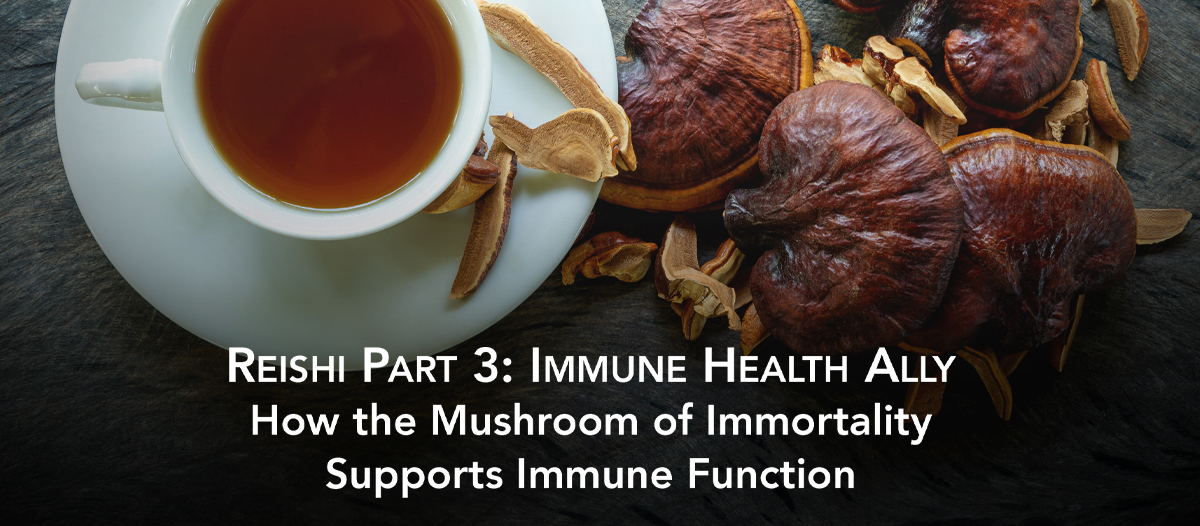
Reishi Part 3: Immune Health Ally
How the Mushroom of Immortality Supports Immune Function
by Mark J Kaylor
In Part 1 of this series, we explored Reishi’s deep cultural roots and traditional classification as both a Qi tonic and Shen tonic. Part 2 examined the mushroom’s non-immune benefits, from cardiovascular support to stress modulation, cognitive protection to metabolic health. We’ve seen how Reishi addresses multiple interconnected systems simultaneously, a hallmark of true tonics. Now we turn to what may be Reishi’s most researched area and perhaps its most relevant property for contemporary health challenges: immune function.
Traditional Chinese Medicine valued Reishi for supporting Wei Qi, the protective or defensive Qi that guards the body’s boundaries against external pathogens. Modern research reveals specific mechanisms through which Reishi modulates immune function, supporting both immediate immune responses and long-term immune resilience. Given ongoing concerns about respiratory infections, long COVID, immune dysfunction, and general susceptibility to illness, understanding Reishi’s immune-modulating properties carries particular contemporary relevance.
What makes Reishi’s immune effects particularly valuable is that the mushroom doesn’t simply stimulate immune function indiscriminately. Rather, it helps modulate and balance immune responses, supporting appropriate activation when needed while helping prevent excessive or misdirected immune activity. This intelligent modulation distinguishes Reishi from simple immune stimulants and aligns with the traditional understanding of supporting Wei Qi as a balanced, responsive protective system rather than a constantly activated defense state.
From Wei Qi to Immune Modulation: Understanding the Bridge
Before examining specific mechanisms, it helps to understand how traditional observations about Wei Qi correspond to modern immunology. This isn’t about forcing ancient concepts into contemporary frameworks or dismissing traditional wisdom as primitive metaphor. Rather, it’s recognizing that careful observation over centuries identified patterns and relationships that modern science helps us understand mechanistically.
In Traditional Chinese Medicine, Wei Qi represents the body’s defensive energy that circulates at the surface level, particularly in the skin, muscles, and respiratory tract. It forms the first line of defense against external pathogens, what TCM calls external pernicious influences like wind, cold, heat, or dampness. When Wei Qi is strong and abundant, a person resists illness, recovers quickly when sick, maintains appropriate body temperature, and doesn’t sweat excessively. When Wei Qi is deficient, vulnerability to infections increases, recovery takes longer, temperature regulation becomes difficult, and the person may experience spontaneous sweating or catch colds frequently.
Modern Parallels to Wei Qi
Modern immunology helps us understand what traditional practitioners were observing. Wei Qi’s circulation at body surfaces corresponds to the concentration of immune cells in the skin, mucous membranes, and respiratory epithelium. The skin hosts specialized immune cells called Langerhans cells that detect pathogens. The respiratory tract contains immune cells throughout its lining, including macrophages that engulf pathogens and dendritic cells that alert the adaptive immune system to threats.
Wei Qi’s role in maintaining boundaries between the body and external environment corresponds to barrier immunity, the immune function of epithelial tissues that form physical and immunological barriers. These barriers include the skin’s protective outer layer, the mucous membranes lining respiratory and digestive tracts, and the mucus itself, which traps pathogens and contains antimicrobial compounds.
The traditional observation that Wei Qi governs the opening and closing of pores relates to thermoregulation and sweating, processes that involve immune signaling molecules and help the body respond to infection. Fever, sweating, and the warming or cooling sensations during illness all involve immune system activation and the release of cytokines that affect temperature regulation.
Understanding these correspondences helps us appreciate what Reishi’s traditional reputation for supporting Wei Qi might mean in modern terms. The mushroom appears to support multiple aspects of immune function, particularly those related to barrier immunity, respiratory defense, and appropriate immune activation. Let’s examine the specific mechanisms research has identified.
Polysaccharides: Reishi’s Primary Immune Modulators
Reishi contains various bioactive compounds, but polysaccharides, particularly beta-glucans, represent the most extensively researched immune-active constituents. Polysaccharides are large complex carbohydrate molecules composed of many sugar units linked together. Beta-glucans are specific polysaccharides with particular structural features (beta-1,3 and beta-1,6 linkages) that immune cells recognize through specialized receptors.
The beta-glucans in Reishi vary in molecular weight, branching patterns, and specific structural configurations, factors that influence their biological activity. Research suggests that these structural variations explain some differences in activity between different Reishi preparations and extraction methods, something we’ll address in depth in Part 4 when discussing product selection.
How Polysaccharides Activate Immune Cells
Immune cells, particularly macrophages, dendritic cells, and natural killer cells, possess pattern recognition receptors on their surfaces. These receptors evolved to recognize molecular patterns commonly found in pathogens but not in human cells. Beta-glucans from fungi represent one such pathogen-associated molecular pattern, recognized primarily through receptors called Dectin-1, complement receptor 3 (CR3), and Toll-like receptors (TLRs).
When Reishi’s beta-glucans bind to these receptors, they trigger signaling cascades that activate immune cells. This activation increases the cells’ ability to recognize and destroy pathogens, enhances their communication with other immune cells, and promotes appropriate inflammatory responses when needed. Importantly, this activation isn’t indiscriminate. The immune system’s response to beta-glucans involves multiple regulatory checkpoints that help ensure activation occurs appropriately and proportionally to actual threats.
Research shows that Reishi polysaccharides can enhance macrophage phagocytosis (the process of engulfing and destroying pathogens), increase natural killer cell cytotoxicity (the ability to kill infected or cancerous cells), stimulate dendritic cell maturation (improving their ability to activate adaptive immunity), and promote the production of various immune signaling molecules that coordinate immune responses.
Cytokine Modulation: Balancing Immune Communication
Cytokines are signaling proteins that immune cells use to communicate with each other and coordinate responses. Different cytokines promote different types of immune activity. Some are pro-inflammatory, amplifying immune responses. Others are anti-inflammatory, dampening responses and promoting resolution. The balance between various cytokines determines whether immune responses are appropriate, excessive, or insufficient.
Reishi polysaccharides influence cytokine production in complex, context-dependent ways. Multiple studies show that Reishi can increase production of cytokines like interferon-gamma (IFN-γ), tumor necrosis factor-alpha (TNF-α), and various interleukins when immune function needs support. These cytokines enhance the body’s ability to fight infections, particularly viral and intracellular bacterial infections, and support surveillance against abnormal cells.
However, other research demonstrates that Reishi can also help reduce excessive production of inflammatory cytokines in conditions where inflammation has become problematic. This apparent contradiction reflects immune modulation rather than simple stimulation or suppression. Reishi appears to support appropriate cytokine responses based on context, enhancing communication when the immune system is underactive and helping moderate excessive signaling when inflammation becomes counterproductive.
This bidirectional influence on cytokines helps explain traditional observations about Reishi. Supporting Wei Qi wasn’t about constantly activating defenses but about maintaining appropriate, responsive protective capacity. The mushroom helps ensure the immune system can mount effective responses when challenged while avoiding the chronic low-grade inflammation that undermines health and accelerates aging.
Enhancing Innate Immunity: The Body’s First Line of Defense
The innate immune system represents the body’s immediate, non-specific defense against pathogens. Unlike adaptive immunity, which develops specific responses to particular threats and takes days to activate fully, innate immunity responds within minutes to hours and provides the first line of defense while adaptive responses develop. Wei Qi’s role as immediate protective energy corresponds closely to innate immunity.
Reishi shows particular benefits for supporting various components of innate immunity, helping maintain robust first-line defenses against infections and other challenges.
Macrophage Activation and Function
Macrophages are large phagocytic cells that patrol tissues, engulfing and destroying pathogens, cellular debris, and abnormal cells. They also serve crucial roles in coordinating immune responses, healing wounds, and maintaining tissue health. Macrophages exist in various activation states, with different states suited to fighting infection, resolving inflammation, or promoting tissue repair.
Multiple studies demonstrate that Reishi polysaccharides enhance macrophage function across various measures. The mushroom increases phagocytic activity, meaning macrophages become more efficient at engulfing and destroying pathogens. Research shows enhanced production of reactive oxygen and nitrogen species, the toxic compounds macrophages use to kill ingested microbes. Studies also demonstrate improved antigen presentation, the process by which macrophages display fragments of pathogens to activate adaptive immune responses.
Importantly, Reishi’s effects on macrophages include promoting the resolution phase of inflammation, the critical process of returning to baseline after an immune challenge. Macrophages that help resolve inflammation clear debris, promote tissue repair, and help prevent chronic inflammatory states. This dual support for both activation and resolution reflects sophisticated modulation rather than simple stimulation.
Natural Killer Cell Enhancement
Natural killer (NK) cells are lymphocytes that identify and destroy virus-infected cells and cancer cells without requiring prior exposure to specific antigens. They represent a crucial component of innate immunity, providing rapid responses to infected or abnormal cells before adaptive immunity fully activates. NK cells also produce cytokines that help coordinate broader immune responses.
Research consistently shows that Reishi enhances NK cell activity. Studies demonstrate increased cytotoxicity, meaning NK cells become more effective at killing their targets. This enhancement occurs through multiple mechanisms, including increased expression of activating receptors on NK cell surfaces, enhanced release of cytotoxic granules containing perforin and granzymes (proteins that kill target cells), and increased production of interferon-gamma and other cytokines that amplify immune responses.
Clinical studies in humans support these laboratory findings. Research shows that Reishi supplementation can increase NK cell numbers and activity in people with compromised immune function, including cancer patients undergoing treatment and individuals with chronic fatigue. The enhancement of NK cell function may be particularly relevant for viral defense and immune surveillance against abnormal cells, both areas where Wei Qi was traditionally understood to play important roles.
The traditional observation that Reishi helped people resist illness and maintain protective capacity aligns remarkably well with modern research showing enhanced function of macrophages and NK cells, the primary effector cells of innate immunity that provide immediate defense against pathogens and abnormal cells.
Complement System Support
The complement system consists of proteins circulating in blood that can be activated to help clear pathogens through various mechanisms. Complement proteins can directly destroy bacterial cells by forming pores in their membranes, mark pathogens for destruction by phagocytes, promote inflammation at infection sites, and help activate adaptive immunity.
Research indicates that Reishi polysaccharides can activate the complement system through the alternative pathway, one of three routes by which complement activation occurs. This activation enhances the clearance of pathogens and supports coordination between innate and adaptive immunity. Like other immune effects, complement activation by Reishi appears regulated and appropriate rather than excessive or prolonged.
Supporting Adaptive Immunity: Long-Term Protection
While Wei Qi primarily corresponds to innate immunity and barrier function, immune protection requires coordination between innate and adaptive systems. Adaptive immunity provides specific responses to particular pathogens, develops immunological memory that allows faster responses upon re-exposure, and generates the antibodies that provide long-term protection against infections.
Reishi influences adaptive immunity through several complementary mechanisms, supporting both the development of appropriate immune responses and their regulation to prevent excessive or misdirected activity.
Dendritic Cell Maturation and Antigen Presentation
Dendritic cells serve as crucial bridges between innate and adaptive immunity. These cells capture pathogens or their components in tissues, process them into small fragments called antigens, then migrate to lymph nodes where they present these antigens to T cells. This antigen presentation activates adaptive immune responses specifically targeted to the pathogen encountered.
Research shows that Reishi polysaccharides promote dendritic cell maturation, the process by which dendritic cells become optimally capable of activating T cells. Maturation involves increased expression of molecules required for antigen presentation and T cell activation, enhanced production of cytokines that help direct the type of immune response that develops, and improved ability to migrate to lymph nodes where T cell activation occurs.
By supporting dendritic cell function, Reishi helps ensure that adaptive immune responses develop appropriately when the body encounters pathogens, potentially explaining traditional observations about Reishi helping maintain resistance to repeated infections and supporting recovery from illness.
T Cell Function and Balance
T cells orchestrate adaptive immune responses. Different T cell subsets perform different functions. Helper T cells coordinate immune responses by producing cytokines that activate other immune cells. Cytotoxic T cells directly kill infected or abnormal cells. Regulatory T cells help prevent excessive immune responses and maintain tolerance to self-antigens. The balance between these different T cell populations determines whether immune responses are appropriate, excessive, or insufficient.
Research demonstrates that Reishi influences T cell populations and their activity. Studies show increased proliferation of T cells in response to activation signals, suggesting enhanced responsiveness when immune challenges arise. Research also demonstrates modulation of the balance between different helper T cell subsets, particularly the Th1/Th2 balance that determines whether immune responses favor cellular immunity (important for fighting viruses and intracellular pathogens) or humoral immunity (important for fighting extracellular pathogens).
Some research suggests Reishi may help support regulatory T cell function, the cells responsible for preventing autoimmunity and limiting excessive inflammation. This regulatory support could explain why Reishi shows benefits in both supporting immune function against infections and helping modulate inappropriate immune responses in inflammatory or autoimmune conditions.
Antibody Production and B Cell Function
B cells produce antibodies, the proteins that bind specifically to pathogens and help neutralize them or mark them for destruction. Antibody responses provide long-lasting protection against reinfection, the basis for vaccine effectiveness and natural immunity after infection.
Research on Reishi’s effects on B cells and antibody production shows mixed results, with some studies demonstrating enhanced antibody responses while others show more modest effects. The variation may relate to differences in specific polysaccharide preparations, dosing, or the contexts studied. What seems clearer is that Reishi’s primary immune benefits relate more to innate immunity and cell-mediated adaptive immunity (involving T cells and macrophages) than to antibody-mediated immunity.
This pattern aligns with traditional use for supporting Wei Qi and resistance to respiratory infections, contexts where cellular immunity and innate defenses play particularly important roles. However, by supporting overall immune coordination and the function of dendritic cells that help activate B cells, Reishi may indirectly support appropriate antibody responses as part of comprehensive immune function.
Respiratory Immunity: Particular Relevance for Modern Challenges
Traditional Chinese Medicine specifically valued Reishi for supporting respiratory function and protecting against respiratory illness. The mushroom was understood to supplement Lung Qi, helping strengthen breathing capacity and resistance to respiratory pathogens, and to transform phlegm, supporting the clearing of excessive mucus and congestion. Given contemporary concerns about respiratory infections, including influenza, COVID-19, and lingering respiratory vulnerability from long COVID, Reishi’s traditional reputation for respiratory support deserves particular attention.
Modern research helps us understand specific mechanisms through which Reishi supports respiratory immunity, mechanisms that align remarkably well with traditional observations about supplementing Lung Qi and supporting defensive capacity.
Supporting Respiratory Barrier Immunity
The respiratory tract represents a primary entry point for pathogens, with each breath potentially introducing viruses, bacteria, and other threats. The respiratory epithelium, the tissue lining airways, serves crucial barrier and immune functions. Epithelial cells form tight junctions that prevent pathogen entry, produce antimicrobial compounds that help kill inhaled microbes, and coordinate with immune cells positioned beneath and within the epithelial layer.
Research suggests that Reishi’s polysaccharides may help support respiratory epithelial barrier function and the immune cells concentrated in respiratory tissues. Studies in laboratory models show that Reishi compounds can enhance the production of antimicrobial peptides by epithelial cells, support tight junction integrity that helps prevent pathogen invasion, and reduce epithelial damage from inflammatory responses to infection.
The respiratory tract also contains specialized immune cells including alveolar macrophages in the lungs’ air sacs and various lymphocytes distributed throughout airways. These cells must balance vigilance against pathogens with tolerance of harmless inhaled particles and the resident microbiome. Research showing that Reishi enhances macrophage function and modulates cytokine production suggests the mushroom may help support this balance, maintaining appropriate responsiveness while preventing excessive inflammation that can damage delicate lung tissue.
Antiviral Activity: Mechanisms and Evidence
Viral respiratory infections represent the most common causes of acute illness and the primary challenge to Wei Qi in traditional understanding. Research demonstrates that Reishi possesses various antiviral properties through multiple complementary mechanisms.
Some triterpenes from Reishi show direct antiviral effects, interfering with viral replication or viral entry into cells. Research has demonstrated activity against various viruses including influenza, herpes viruses, and others. However, the concentrations required for direct antiviral effects in laboratory studies often exceed what’s achievable through oral supplementation, suggesting that immune modulation rather than direct antiviral activity may be more relevant to Reishi’s protective effects against viral infections.
More significant may be Reishi’s enhancement of antiviral immunity through supporting the cells that fight viral infections. Natural killer cells, cytotoxic T cells, and macrophages all play crucial roles in controlling viral infections, and Reishi enhances the function of all three cell types. The mushroom’s promotion of interferon production also contributes to antiviral defense, since interferons are signaling molecules that help cells resist viral infection and activate immune cells that kill infected cells.
Studies in humans, while limited, suggest that Reishi may help reduce the frequency of upper respiratory infections and support recovery when infections do occur. The traditional observation that regular Reishi use helped maintain resistance to seasonal illnesses aligns with this modern evidence for enhanced immune surveillance and more effective responses to viral challenges.
Relevance for COVID-19 and Long COVID
The COVID-19 pandemic and its aftermath, particularly the phenomenon of long COVID where symptoms persist months after initial infection, have highlighted the importance of respiratory immunity and the devastating consequences when immune responses become dysregulated. While Reishi cannot prevent or cure COVID-19, understanding its immune-modulating properties in the context of these conditions helps illustrate why traditional respiratory tonics deserve renewed attention.
COVID-19’s severity often relates not just to viral damage but to excessive inflammatory responses, what’s sometimes called a cytokine storm. The virus triggers massive production of inflammatory cytokines that can damage lung tissue and contribute to the acute respiratory distress that characterizes severe cases. Reishi’s ability to modulate cytokine production, supporting appropriate immune responses while helping prevent excessive inflammation, suggests theoretical relevance for supporting balanced immune responses to viral infections.
Long COVID, characterized by persistent fatigue, breathing difficulties, cognitive issues, and other symptoms lasting months after acute infection, appears to involve ongoing immune dysregulation, chronic inflammation, mitochondrial dysfunction, and potentially persistent viral reservoirs or viral fragments triggering continued immune activation. Reishi’s multi-dimensional effects become particularly relevant here. The mushroom’s immune-modulating properties may help address inappropriate ongoing immune activation. Its anti-inflammatory effects, discussed in Part 2, could help reduce chronic inflammation. Its support for mitochondrial function and cellular energy production might help address the metabolic dysfunction underlying fatigue. Its neuroprotective and cognitive benefits could support the cognitive symptoms many experience.
No research directly demonstrates Reishi’s effectiveness for long COVID, and the syndrome is complex enough that no single intervention will address all aspects. However, the mushroom’s broad-spectrum immune modulation, anti-inflammatory properties, and support for multiple systems affected in long COVID suggest it could be a valuable component of comprehensive approaches to supporting recovery. This aligns with the traditional understanding of tonics as supporting fundamental resilience rather than targeting specific disease processes in isolation.
The traditional use of Reishi for supplementing Lung Qi and supporting people with chronic respiratory weakness takes on new meaning in an era where millions experience lingering respiratory vulnerability from COVID-19 and other respiratory infections. Supporting respiratory resilience, enhancing immune function without promoting excessive inflammation, and addressing the metabolic and neurological components of post-viral syndromes represent exactly the kind of multi-dimensional support that characterizes true tonics.
Immune Modulation in Special Contexts
Beyond supporting resistance to infections, Reishi’s immune-modulating properties show relevance for several contexts where immune function needs support or regulation. These applications extend Wei Qi’s traditional role beyond merely defending against pathogens to include supporting appropriate immune responses across various challenges.
Allergic Responses and Histamine Modulation
Allergies represent inappropriate immune responses to harmless substances. The immune system mistakes pollen, food proteins, or other benign triggers for dangerous pathogens, mounting inflammatory responses that cause the familiar symptoms of allergies: sneezing, congestion, itching, and in severe cases, dangerous systemic reactions.
Research suggests that Reishi may help modulate allergic responses through several mechanisms. The mushroom’s triterpenes show antihistamine effects, inhibiting the release of histamine from mast cells. Histamine is a primary mediator of allergic symptoms, causing the inflammation, mucus production, and tissue swelling characteristic of allergic reactions. By reducing excessive histamine release, Reishi may help moderate allergic symptoms.
Additionally, Reishi appears to influence the Th1/Th2 balance mentioned earlier in ways that may help reduce allergic tendencies. Allergies involve excessive Th2 responses, the arm of immunity that promotes antibody production and allergic inflammation. By supporting a more balanced Th1/Th2 ratio, Reishi may help reduce the tendency toward allergic overreaction while maintaining appropriate immune responses to actual threats.
Studies in people with allergic conditions including allergic rhinitis (hay fever) and asthma show some evidence of benefit, though research remains limited. The traditional use of Reishi for respiratory conditions may have included allergic respiratory conditions, though traditional Chinese Medicine would have framed these differently than we do today.
Autoimmunity: When Immune Regulation Matters Most
Autoimmune conditions occur when the immune system attacks the body’s own tissues, mistaking self for foreign. Conditions like rheumatoid arthritis, lupus, multiple sclerosis, inflammatory bowel disease, and dozens of others all involve immune responses directed against the body itself. These conditions require careful immune regulation rather than simple stimulation or suppression.
This is where Reishi’s characterization as an immune modulator rather than an immune stimulant becomes crucial. Research suggests that while Reishi can enhance immune function when it’s insufficient, the mushroom may also help regulate excessive or inappropriate immune activity. Studies show that Reishi can support regulatory T cell function, the cells responsible for maintaining self-tolerance and preventing autoimmune responses.
The mushroom’s anti-inflammatory effects, discussed extensively in Part 2, also contribute to potential benefits for autoimmune conditions. By reducing production of inflammatory cytokines and modulating inflammatory pathways, Reishi may help reduce the tissue damage that characterizes autoimmune disease while supporting the immune system’s ability to maintain appropriate tolerance.
Research on Reishi specifically for autoimmune conditions remains limited, and people with autoimmune disease should work with healthcare providers when considering any immune-modulating supplements. However, the bidirectional nature of Reishi’s immune effects, supporting function when deficient and helping moderate excessive responses, suggests theoretical relevance for conditions requiring sophisticated immune regulation.
The traditional understanding that Reishi nourishes and harmonizes rather than simply stimulating or suppressing aligns remarkably well with the kind of balanced immune modulation that could benefit both immune deficiency and immune excess.
Supporting Immune Function During Cancer Treatment
Cancer treatments including chemotherapy and radiation often suppress immune function, leaving patients vulnerable to infections and compromising quality of life. Several studies have examined whether Reishi supplementation can help support immune function in cancer patients undergoing treatment.
Research shows mixed but generally positive results. Some studies demonstrate that Reishi can help maintain or enhance various immune parameters in cancer patients, including natural killer cell activity, T cell counts, and production of immune-supporting cytokines. Other research shows improvements in quality of life measures and reduced treatment-related side effects when Reishi is used alongside conventional cancer treatment.
The enhancement of NK cell function may be particularly relevant for cancer contexts, since NK cells play important roles in immune surveillance against cancer cells. By helping maintain NK cell activity during treatment that might otherwise suppress it, Reishi could theoretically support the immune system’s ability to identify and destroy cancer cells while conventional treatments work through different mechanisms.
It’s crucial to note that Reishi is not a cancer treatment and should never replace conventional medical care for cancer. However, the research suggests it may be a valuable supportive therapy used alongside conventional treatment, potentially helping maintain immune function, reduce treatment side effects, and support overall resilience during the challenging process of cancer treatment. People with cancer should work with their oncology team when considering Reishi or any supplements, as some supplements can interact with cancer treatments.
The Gut-Immune Axis: How Reishi’s Prebiotic Effects Support Immunity
About 70 to 80 percent of immune cells reside in or near the digestive tract, reflecting the gut’s role as a primary interface between the body and the external world. Every day, the gut encounters countless foreign molecules from food, beneficial microbes, and potential pathogens. The gut immune system must maintain tolerance to beneficial inputs while mounting appropriate responses to threats, a complex balancing act that influences immunity throughout the entire body.
In Part 2, we explored how Reishi’s polysaccharides serve as prebiotics, feeding beneficial gut bacteria and helping modulate the microbiome composition. These effects extend beyond gut health to influence systemic immunity, since the gut microbiome plays crucial roles in training and regulating immune function.
Beneficial gut bacteria produce metabolites that help regulate immune cells, support the integrity of the gut barrier that prevents inappropriate immune activation, compete with pathogens for resources and attachment sites, and directly modulate immune cell development and function. By supporting a healthier, more diverse microbiome, Reishi indirectly influences immune function throughout the body.
Research shows that Reishi polysaccharides can increase populations of beneficial bacteria including Lactobacillus and Bifidobacterium species, bacteria particularly important for immune regulation. These bacteria produce short-chain fatty acids like butyrate that help regulate inflammation, support regulatory T cell development, and maintain gut barrier integrity. They also help train the immune system appropriately, promoting tolerance while maintaining vigilance.
This gut-immune connection helps explain why Reishi’s immune benefits extend beyond direct immune cell activation. By supporting the microbiome that in turn supports immune development and regulation, Reishi contributes to the fundamental conditions required for balanced, effective immune function. This represents another example of the multi-dimensional, systems-level support characteristic of true tonics.
Integration: Understanding Reishi’s Comprehensive Immune Support
Reviewing the research on Reishi’s immune effects reveals a pattern consistent with what we’ve seen throughout this series. The mushroom doesn’t work through a single mechanism or target a single aspect of immunity. Rather, it influences multiple interconnected components of immune function through complementary pathways, creating synergistic effects that support both immediate responses and long-term resilience.
Consider how these effects integrate. Reishi’s enhancement of macrophage and NK cell function strengthens innate immunity, providing more robust immediate responses to pathogens. Its support for dendritic cell maturation and T cell function helps ensure that appropriate adaptive responses develop when needed, creating immunological memory for future protection. Its modulation of cytokine production helps coordinate these various immune components while preventing excessive inflammation that can cause collateral damage. Its prebiotic effects support the microbiome that helps train and regulate the entire immune system. Its antioxidant and anti-inflammatory properties, discussed in Part 2, protect immune cells themselves from oxidative damage and help prevent the chronic inflammation that undermines immune function.
Additionally, Reishi’s immune benefits connect directly to the non-immune effects explored in Part 2. The mushroom’s support for sleep quality matters enormously for immunity, since sleep is when the immune system consolidates memories, produces many immune cells, and coordinates responses. Its stress-modulating properties support immunity because chronic stress suppresses immune function through multiple mechanisms. Its cardiovascular benefits ensure adequate blood flow to deliver immune cells and remove waste products. Its liver support enhances the detoxification that reduces the toxic burden on immune function. Its metabolic benefits help ensure immune cells have the energy they need to function optimally.
This integration reflects the traditional concept of supporting Wei Qi not as an isolated defensive system but as an expression of overall vitality. Traditional practitioners understood that protective capacity emerged from fundamental health across multiple dimensions. Modern research reveals the specific mechanisms behind these observations, showing how supporting cardiovascular function, metabolic health, sleep quality, stress resilience, liver function, gut health, and cellular protection creates the conditions for robust, balanced immune function. This is radiant health in its truest sense: not the absence of disease but the presence of resilience, vitality, and the balanced functioning that allows the body to respond appropriately to whatever challenges arise.
The Modulation Question: Why Reishi Isn’t Just an Immune Stimulant
Throughout this discussion, I’ve emphasized that Reishi modulates rather than simply stimulates immune function. This distinction matters enormously for understanding appropriate use and realistic expectations. Simple immune stimulants work by pushing immune activity in one direction, regardless of context. This can be valuable in specific situations but problematic when used indiscriminately or long-term.
True immune modulators, by contrast, help the immune system respond more appropriately to various situations. They enhance function when it’s insufficient and help regulate excessive responses. They support coordination between different immune components rather than activating specific parts in isolation. This sophisticated modulation allows for long-term use without the concerns associated with constant immune stimulation.
Several aspects of Reishi’s effects support this characterization as a modulator. The mushroom enhances immune function in people with compromised immunity but shows regulatory effects in contexts of excessive immune activity. It activates immune cells through natural pattern recognition receptors, mimicking the signals cells would receive from actual pathogens, rather than forcing activation through artificial mechanisms. It influences multiple regulatory pathways that help ensure responses remain appropriate and proportional. It supports both activation and resolution phases of immune responses rather than just promoting ongoing activation.
The traditional classification of Reishi as a superior herb safe for long-term use reflects this modulatory quality. Traditional practitioners didn’t use Reishi to treat acute infections as primary therapy. They used it to maintain protective capacity, support people prone to frequent illness, help recovery from illness, and nourish fundamental vitality. This aligns perfectly with immune modulation rather than simple stimulation.
For practical purposes, this means Reishi works best as a foundational support taken consistently over time rather than as a reactive intervention taken only when sick. The mushroom helps maintain the conditions for robust, balanced immunity rather than forcing temporary activation. This preventive, maintenance-oriented approach characterizes the most valuable aspects of traditional medicine and deserves renewed attention in our current healthcare system that tends to emphasize reactive treatment over preventive support.
Reishi and Immune Health in the 21st Century
The alignment between traditional observations about Wei Qi and modern research on immune modulation makes clear why Reishi remains relevant, perhaps more relevant than ever, as we navigate contemporary immune challenges. The mushroom addresses multiple interconnected issues that characterize modern immune health.
Chronic stress, explored in Part 2 as disrupting the HPA axis and nervous system function, also suppresses immune function through multiple mechanisms. Stress hormones like cortisol directly inhibit immune cell activity, reduce antibody production, and promote inflammatory imbalances. Reishi’s stress-modulating effects support immunity by helping maintain more appropriate stress responses.
Poor sleep quality, which Reishi helps address through its Shen-nourishing properties, undermines immunity profoundly. Sleep is when the immune system consolidates immunological memories, produces many immune cells, and coordinates responses. Chronic sleep deprivation increases infection susceptibility and reduces vaccine effectiveness. By supporting better sleep quality, Reishi indirectly enhances immune function.
Environmental toxin exposure, processed foods, and other modern challenges generate oxidative stress and chronic inflammation that burden immune function. Reishi’s potent antioxidant and anti-inflammatory effects, discussed in Part 2, help reduce this burden and protect immune cells from damage.
The gut dysbiosis common in modern populations, resulting from antibiotic use, processed foods, and other factors, disrupts the microbiome’s crucial role in training and regulating immunity. Reishi’s prebiotic effects support microbiome health that in turn supports immune function.
Aging itself involves immune decline, what researchers call immunosenescence. Older adults experience reduced immune responsiveness, decreased vaccine effectiveness, increased susceptibility to infections, and elevated chronic inflammation. Research suggests that Reishi may help support immune function in aging, maintaining more robust responses and helping modulate the chronic inflammation that contributes to age-related disease.
Perhaps most relevantly, the COVID-19 pandemic and its aftermath have highlighted the importance of respiratory immunity, the devastating consequences of dysregulated immune responses, and the need for approaches that support balanced immune function rather than just stimulating activity indiscriminately. Reishi’s traditional reputation for supporting Lung Qi and its modern research profile as an immune modulator that enhances respiratory defense while helping prevent excessive inflammation make it particularly relevant for this post-pandemic era.
Looking Ahead
We’ve now explored Reishi across three comprehensive parts of this series. Part 1 examined the mushroom’s traditional use and cultural significance, its classification as both a Qi tonic and Shen tonic, and its reputation as a superior herb for longevity and vitality. Part 2 investigated non-immune benefits, from cardiovascular support to nervous system modulation, sleep quality to metabolic health, cognitive protection to antioxidant and anti-inflammatory effects. Part 3 has examined Reishi’s immune-modulating properties, seeing how traditional concepts of Wei Qi align remarkably well with modern immunology and why the mushroom’s sophisticated modulation of immune function matters profoundly for contemporary health challenges.
Throughout these explorations, we’ve seen consistent themes. Reishi works through multiple complementary mechanisms rather than single pathways. Its effects integrate synergistically, with benefits in one area supporting improvements in others. It addresses fundamental aspects of health that naturally influence multiple specific concerns. It modulates and balances rather than simply pushing systems in one direction. These patterns characterize true tonics and help explain why Reishi has maintained its reputation across millennia.
However, understanding Reishi’s benefits means little if we can’t access them effectively. In Part 4, the final installment of this series, we’ll address the crucial practical questions: How do you choose a quality Reishi product when the market is flooded with options of wildly varying quality and effectiveness? What forms and preparations best deliver the compounds we’ve been discussing? What dosages does research support? How do you use Reishi, and how long before you might notice effects? How does Reishi integrate with other approaches to health, and what are realistic expectations versus hype?
These practical questions matter enormously. The most well-researched mushroom in the world offers no benefit if the product you choose contains minimal active compounds, uses extraction methods that destroy beneficial constituents, or is contaminated with fillers. Quality varies dramatically between Reishi products, and understanding what distinguishes effective preparations from ineffective ones determines whether you’ll actually experience the benefits we’ve been exploring.
Part 4 will also address integration, helping you understand how to use Reishi as part of a comprehensive approach to health rather than as a magic bullet. The mushroom works best when combined with other foundational health practices, adequate sleep, stress management, nutrient-dense food, and regular movement. Understanding how to integrate Reishi into a holistic approach maximizes its benefits while maintaining realistic expectations about what any single intervention can accomplish.
The research on Reishi’s immune-modulating properties demonstrates that some traditional remedies deserve their reputation not through mystique or marketing but through genuine therapeutic value supported by both centuries of careful observation and contemporary scientific validation. Reishi offers a bridge between ancient wisdom and modern immune challenges, supporting balanced, resilient immune function without requiring a fortune or falling into expensive wellness trends. As we face the complex immune challenges of modern life, from respiratory infections to immune dysregulation, from chronic inflammation to age-related immune decline, understanding and utilizing such allies becomes not just valuable but essential for cultivating the radiant health that emerges when immune function, vitality, and balance integrate harmoniously.

Mark J. Kaylor is a passionate advocate for holistic health and natural remedies, with a focus on extending both lifespan and healthspan. As the founder of the Radiant Health Project and host of Radiant Health Podcast, Mark blends in-depth research with traditional wisdom to empower others on their journey to vibrant health. Through his writing and speaking, he shares insights into the transformative power of herbs, nutrition, and lifestyle practices.
Disclaimer: All information and results stated here is for educational and entertainment purposes only. The information mentioned here is not specific medical advice for any individual and is not intended to be used for self-diagnosis or treatment. This content should not substitute medical advice from a health professional. Always consult your health practitioner regarding any health or medical conditions.
Leave A Comment