


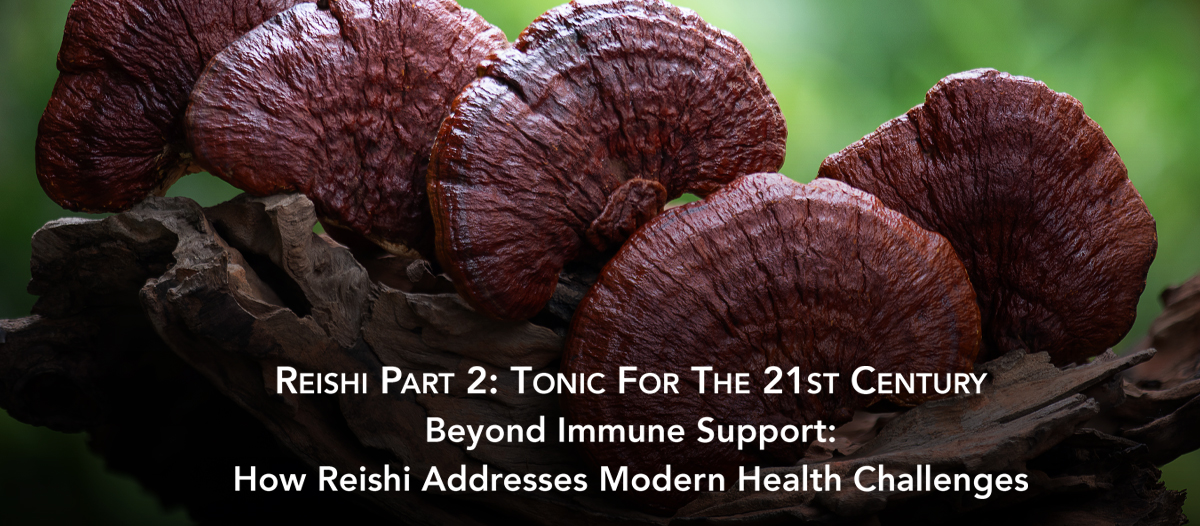
Reishi Part 2: Tonic For The 21st Century
Beyond Immune Support: How Reishi Addresses Modern Health Challenges
by Mark J Kaylor
In Part 1, we explored Reishi’s deep roots in Traditional Chinese Medicine and its cultural significance spanning over two thousand years. We learned about its classification as both a Qi tonic (supporting vital energy and immune resilience) and a Shen tonic (nourishing mental clarity and emotional balance). Now we turn to what modern research reveals about how this ancient mushroom addresses some of the most pressing health challenges of contemporary life.
What makes Reishi particularly relevant today isn’t just its traditional reputation. It’s the remarkable alignment between what traditional practitioners observed over centuries and what we’re now understanding through contemporary research. Reishi appears to address multiple interconnected health challenges simultaneously, a pattern we see with true tonics but rarely with isolated pharmaceutical compounds or trendy supplements.
This multi-dimensional quality matters because modern health challenges don’t exist in isolation. Cardiovascular disease, chronic stress, metabolic dysfunction, and cognitive decline often appear together, sharing common underlying mechanisms. Reishi’s broad-spectrum effects on these conditions reflect the traditional understanding that supporting fundamental aspects of health (Qi, Blood, and Shen) naturally addresses a wide range of specific concerns.
Let’s explore what research tells us about how Reishi supports health in ways that align remarkably well with traditional observations while offering specific relevance to 21st century challenges.

Cardiovascular Support: Ancient Wisdom Meets Modern Crisis
Cardiovascular disease remains the leading cause of death globally. In Traditional Chinese Medicine, Reishi’s reputation for nourishing the Heart wasn’t just metaphorical. Traditional practitioners observed that regular Reishi use seemed to support circulation, maintain cardiovascular vitality, and help people maintain better cardiovascular function as they aged. Modern research helps us understand the specific mechanisms behind these observations.
Blood Pressure Regulation
Multiple studies demonstrate Reishi’s ability to support healthy blood pressure levels. The mushroom contains compounds called ganoderic acids and polysaccharides that appear to work through several complementary mechanisms. Ganoderic acids are triterpenes, a class of compounds with a complex ring structure that allows them to interact with various biological systems. These compounds influence how blood vessels respond to signals that cause them to constrict or relax.
Research shows Reishi can help inhibit angiotensin-converting enzyme (ACE), the same target of many blood pressure medications. ACE converts angiotensin I to angiotensin II, a compound that causes blood vessels to constrict and prompts the body to retain sodium and water, both of which raise blood pressure. By moderating ACE activity, Reishi supports the body’s natural regulation of blood pressure without the complete blockade that pharmaceutical ACE inhibitors create.
Importantly, Reishi’s effects on blood pressure appear most pronounced in people with elevated levels. This pattern, where a substance helps restore balance rather than simply pushing a parameter in one direction, characterizes what herbalists call adaptogenic or normalizing effects. Traditional practitioners would have recognized this as supporting healthy physiological flow rather than forcing a specific outcome.
Cholesterol and Lipid Management
Research consistently shows Reishi can influence cholesterol levels and lipid profiles. Several clinical trials have demonstrated reductions in total cholesterol, LDL cholesterol (the type associated with cardiovascular risk), and triglycerides. Some studies also show increases in HDL cholesterol, the protective form that helps remove excess cholesterol from circulation.
The mechanisms appear multi-faceted. Reishi compounds influence HMG-CoA reductase, the enzyme that pharmaceutical statins target to reduce cholesterol production. However, unlike statins that completely block this enzyme, Reishi appears to modulate its activity more gently while also enhancing the liver’s ability to clear cholesterol from the bloodstream. This dual action, reducing production while improving clearance, may explain why people taking Reishi often see improvements in their lipid profiles without the muscle pain and other side effects sometimes associated with statin medications.
Traditional Chinese Medicine’s concept of Reishi tonifying Blood takes on new meaning here. What practitioners observed as improved Blood quality and circulation corresponds to what we now measure as better lipid profiles, reduced oxidation of lipids, and improved cardiovascular function.
Antithrombotic Effects and Platelet Function
Reishi compounds, particularly adenosine and certain triterpenes, influence platelet aggregation. Platelets are the blood cells that clump together to form clots, an essential process for healing wounds but dangerous when it occurs inappropriately in blood vessels. Excessive platelet aggregation contributes to heart attacks and strokes.
Research shows Reishi can help maintain appropriate platelet function without completely suppressing the clotting response. This differs from aspirin or prescription blood thinners that work by blocking specific clotting mechanisms. Reishi appears to support the body’s own regulation of when and how platelets should aggregate. The traditional observation that Reishi supported smooth circulation and helped maintain healthy blood flow aligns well with this modern understanding.
However, this same property means people taking blood-thinning medications or preparing for surgery should work with their healthcare provider when using Reishi, as the combined effects on clotting need to be managed appropriately.
Endothelial Function and Vascular Health
The endothelium is the thin layer of cells lining blood vessels. These cells do far more than simply contain blood. They actively regulate vascular tone (how constricted or relaxed vessels are), manage inflammation in vessel walls, control what passes from blood into tissues, and influence whether plaques form. Endothelial dysfunction, where these cells don’t work properly, precedes and contributes to most forms of cardiovascular disease.
Research indicates Reishi supports endothelial health through multiple pathways. The mushroom’s polysaccharides and triterpenes help maintain the production of nitric oxide, a molecule that signals blood vessels to relax and dilate. They also reduce oxidative stress in endothelial cells and help modulate inflammatory signals that can damage vessel walls.
This matters enormously for long-term cardiovascular health. While blood pressure and cholesterol numbers grab attention, endothelial function may be an even better predictor of cardiovascular risk. Supporting the health of these cells throughout the vascular system represents a fundamental approach to cardiovascular wellness rather than just managing specific risk factors.

Stress Response and Nervous System Support: Reishi as Shen Tonic
In Part 1, we explored Reishi’s traditional classification as a Shen tonic, used to calm the spirit, quiet restlessness, and support emotional balance. Modern research on stress physiology and neuroscience helps us understand what traditional practitioners were observing and why Reishi’s effects on the nervous system matter profoundly for contemporary health.
Understanding Adaptogenic Properties
Reishi is classified as an adaptogen, a term that describes substances that help the body adapt to stress more effectively. True adaptogens share several characteristics. They’re generally non-toxic with regular use. They produce a normalizing influence rather than simply stimulating or sedating. They help maintain physiological balance under various stressors. Most importantly, they work by supporting the body’s own stress response systems rather than replacing them.
This matters because chronic stress doesn’t just feel bad. It dysregulates the hypothalamic-pituitary-adrenal (HPA) axis, the body’s central stress response system. The HPA axis starts in the brain’s hypothalamus, which releases hormones that signal the pituitary gland, which then signals the adrenal glands to release cortisol and other stress hormones. In acute stress, this system helps us respond effectively. Under chronic stress, it can become dysregulated, producing either excessive cortisol at inappropriate times or insufficient cortisol when needed.
Research shows Reishi’s polysaccharides and triterpenes help modulate HPA axis function. The mushroom doesn’t simply lower cortisol levels, which would be problematic since we need cortisol for many essential functions. Rather, it appears to support more appropriate cortisol patterns, reducing excessive responses while maintaining the ability to mount necessary stress responses. This matches traditional observations that Reishi helped people feel calmer without becoming lethargic or disconnected.
Effects on Neurotransmitters and Brain Chemistry
Reishi influences several neurotransmitter systems that regulate mood, anxiety, and mental state. Research demonstrates effects on GABAergic transmission. GABA (gamma-aminobutyric acid) is the primary inhibitory neurotransmitter in the brain, meaning it reduces neural excitation. When GABA signaling works properly, we experience appropriate calm and can regulate anxiety. When GABA function is impaired, anxiety, insomnia, and excessive mental activity can result.
Some Reishi compounds appear to enhance GABA receptor sensitivity, meaning the receptors respond more readily to GABA when it’s present. This differs from benzodiazepine medications that force GABA receptors into an activated state, often leading to tolerance and dependence. Reishi’s gentler modulation supports the nervous system’s own capacity for calm without creating artificial sedation.
Research also shows effects on serotonin pathways. While Reishi isn’t a direct serotonin booster like some antidepressant medications, it appears to support the brain’s serotonin system, potentially influencing both synthesis and receptor function. Some studies suggest effects on dopamine regulation as well, though this area needs more research.
These effects on neurotransmitter systems help explain traditional observations that Reishi calmed anxiety and restlessness while supporting mental clarity. The mushroom wasn’t sedating in the way that sleep medications are, but rather helped create the neural conditions for calm, focused presence.

Sleep Quality and Architecture
Traditional practitioners consistently noted Reishi’s benefits for insomnia and disturbed sleep, understanding this as part of its Shen-nourishing properties. Contemporary research validates these observations while revealing the specific mechanisms involved.
Several studies show Reishi can reduce the time it takes to fall asleep, increase total sleep duration, and improve subjective sleep quality. Interestingly, research also demonstrates effects on sleep architecture, the pattern of different sleep stages throughout the night. Sleep isn’t a uniform state but cycles through different stages including light sleep, deep sleep, and REM (rapid eye movement) sleep. Each stage serves distinct functions for physical restoration, memory consolidation, and emotional processing.
Research suggests Reishi may increase time spent in deep sleep stages, which are particularly important for physical restoration and immune function. Some studies also show increased REM sleep, the stage associated with emotional processing and memory consolidation. These effects on sleep architecture may explain why people taking Reishi often report not just sleeping longer but feeling more restored upon waking.
The mechanisms appear to involve both the GABA system mentioned earlier and effects on the hormone melatonin. Some research indicates Reishi may support the body’s natural melatonin production and enhance melatonin receptor sensitivity. Rather than providing exogenous melatonin, Reishi appears to support the body’s own sleep-wake regulation.
For people dealing with stress-related insomnia, a common modern complaint, Reishi’s combined effects on stress response and sleep architecture offer particular value. The mushroom addresses both the racing mind that prevents sleep onset and the physiological stress patterns that fragment sleep throughout the night.
Liver Function and Detoxification
In Traditional Chinese Medicine, Reishi was valued for nourishing the Liver, one of the organs it particularly supported. In the TCM framework, the Liver governs the smooth flow of Qi and Blood throughout the body and plays a central role in how the body responds to stress and processes emotions. Modern understanding of the liver’s role in detoxification, metabolism, and maintaining biochemical balance reveals remarkable alignment with these traditional concepts.
Hepatoprotective Properties
Hepatoprotective means protecting the liver from damage. Multiple studies demonstrate Reishi’s ability to protect liver cells from various forms of injury including toxic chemical exposure, viral infection, and fatty liver disease. The mechanisms involve both direct protection of liver cells and support for the liver’s own repair and regeneration processes.
Research shows Reishi compounds can reduce markers of liver inflammation and damage in people with various liver conditions. Studies in both animal models and human trials show reductions in ALT (alanine aminotransferase) and AST (aspartate aminotransferase), enzymes that leak from damaged liver cells and serve as indicators of liver injury.
The mushroom appears to work partly through its antioxidant properties. The liver generates substantial oxidative stress as a byproduct of its detoxification work, breaking down compounds that can produce reactive molecules. Reishi’s antioxidant compounds help neutralize these reactive molecules before they damage liver cell membranes and DNA.
Supporting Phase I and Phase II Detoxification
The liver processes toxins through a two-phase system. Phase I reactions, primarily carried out by cytochrome P450 enzymes, make compounds more chemically reactive, often producing intermediate metabolites that can be more toxic than the original substance. Phase II reactions then attach molecules like glutathione, sulfate, or glucuronic acid to these intermediates, making them water-soluble so they can be excreted through urine or bile.
Problems arise when Phase I and Phase II aren’t balanced. If Phase I works faster than Phase II, toxic intermediates accumulate. This imbalance contributes to various health issues and may explain why some people seem particularly sensitive to environmental chemicals or experience side effects from medications.
Research indicates Reishi supports both phases but particularly enhances Phase II detoxification. The mushroom appears to upregulate glutathione S-transferase and other Phase II enzymes, helping the liver complete the detoxification process more efficiently. Some studies also show Reishi can help maintain glutathione levels, the body’s master antioxidant that plays central roles in Phase II detoxification.
This matters enormously in our current environmental context. We’re exposed to far more synthetic chemicals than any previous generation, from pesticide residues in food to plastics in packaging to industrial pollutants in air and water. Supporting the liver’s ability to process and eliminate these compounds represents a fundamental approach to maintaining health in a toxic world.
Non-Alcoholic Fatty Liver Disease
Non-alcoholic fatty liver disease (NAFLD) affects an estimated 25 percent of adults globally and represents one of the fastest-growing health concerns. The condition involves fat accumulation in liver cells unrelated to alcohol consumption, often driven by metabolic dysfunction, insulin resistance, and chronic inflammation. NAFLD can progress to more serious liver inflammation (non-alcoholic steatohepatitis or NASH), fibrosis, cirrhosis, and liver failure.
Several studies demonstrate Reishi’s potential for supporting people with fatty liver disease. The mushroom’s effects appear to work through multiple mechanisms including reducing liver inflammation, supporting more balanced fat metabolism, improving insulin sensitivity, and reducing oxidative stress in liver tissue.
Research shows Reishi can help reduce the accumulation of fat in liver cells and lower inflammatory markers associated with progression to more serious liver disease. Some studies demonstrate improvements in liver enzyme levels and reductions in markers of liver fibrosis. While Reishi isn’t a cure for established liver disease, it represents a supportive approach that addresses multiple factors driving liver dysfunction.
Metabolic Health and Blood Sugar Regulation
Metabolic dysfunction, particularly insulin resistance and elevated blood sugar, underlies many modern health challenges from type 2 diabetes to cardiovascular disease to cognitive decline. Traditional Chinese Medicine didn’t have concepts like insulin or blood glucose, but practitioners observed that Reishi helped maintain vitality and supported healthy aging, outcomes we now understand relate substantially to metabolic health.
Effects on Blood Glucose and Insulin Sensitivity
Multiple studies demonstrate Reishi’s ability to influence blood sugar levels and improve insulin sensitivity. Insulin is the hormone that signals cells to take up glucose from the bloodstream. When cells become less responsive to insulin, a condition called insulin resistance, blood sugar remains elevated and the pancreas must produce ever more insulin to maintain glucose control. This pattern drives type 2 diabetes and contributes to cardiovascular disease, fatty liver, cognitive decline, and accelerated aging.
Research shows Reishi polysaccharides can lower both fasting blood glucose and post-meal glucose spikes. The mechanisms appear multi-faceted. Some Reishi compounds inhibit alpha-glucosidase, an enzyme that breaks down complex carbohydrates into simple sugars in the intestine. By slowing this process, Reishi moderates how quickly glucose enters the bloodstream after meals, reducing the insulin surge needed to handle that glucose.
Other research demonstrates more direct effects on insulin signaling pathways in cells. Reishi appears to enhance insulin receptor sensitivity and improve glucose transporter function, helping cells respond more readily to insulin signals. Some studies show increased AMPK activity, an enzyme that acts as a cellular energy sensor and plays central roles in glucose metabolism and insulin sensitivity.
Clinical trials show promising results. Studies in people with prediabetes or type 2 diabetes demonstrate reductions in fasting glucose, improvements in HbA1c (a measure of average blood sugar over several months), and enhanced insulin sensitivity. While Reishi isn’t a replacement for diabetes medication in people who need it, it represents a valuable supportive approach that may help some people avoid progression to diabetes or reduce medication needs.
Metabolic Syndrome and Multiple Risk Factors
Metabolic syndrome describes a cluster of conditions that occur together including abdominal obesity, elevated blood sugar, high blood pressure, high triglycerides, and low HDL cholesterol. Having three or more of these factors dramatically increases risk for cardiovascular disease, diabetes, and other serious health conditions. An estimated one-third of adults in developed countries meet criteria for metabolic syndrome.
What makes Reishi particularly relevant here is that it addresses multiple components of metabolic syndrome simultaneously. As we’ve discussed, research shows effects on blood pressure, cholesterol and triglyceride levels, and blood sugar regulation. Studies also demonstrate potential for supporting healthier body composition and reducing abdominal fat accumulation.
This multi-targeted approach reflects the traditional concept of tonification, supporting fundamental aspects of health that naturally influence multiple specific parameters. Rather than needing separate interventions for each component of metabolic syndrome, Reishi’s broad-spectrum effects address the underlying metabolic dysfunction driving all of them.

Neuroprotection and Cognitive Function
Traditional use of Reishi included supporting mental clarity, preventing forgetfulness, and maintaining cognitive function in aging, all understood as aspects of nourishing Shen. Modern research on neurodegeneration and cognitive decline reveals multiple mechanisms through which Reishi may protect brain health and support cognitive function.
Mechanisms of Neuroprotection
The brain is particularly vulnerable to oxidative stress due to its high metabolic rate, abundant lipid content (which is easily oxidized), and relatively limited antioxidant defenses compared to other tissues. Reishi’s potent antioxidant properties provide direct neuroprotection, helping neutralize the reactive molecules that can damage brain cell membranes, proteins, and DNA.
Research demonstrates Reishi compounds can cross the blood-brain barrier, the selective membrane that controls what substances reach brain tissue. Once in the brain, Reishi polysaccharides and triterpenes appear to reduce oxidative damage, modulate neuroinflammation, and support the brain’s own antioxidant systems. Studies show upregulation of superoxide dismutase and other endogenous antioxidant enzymes in brain tissue following Reishi administration.
Neuroinflammation, chronic low-grade inflammation in brain tissue, plays a central role in most neurodegenerative diseases including Alzheimer’s disease, Parkinson’s disease, and vascular dementia. Research shows Reishi can help modulate microglial activation. Microglia are the brain’s immune cells, essential for maintaining brain health but capable of causing damage when chronically activated. Reishi appears to support more balanced microglial function, maintaining their protective roles while reducing excessive inflammatory responses.
Effects on Neurodegenerative Disease Pathology
Research on Alzheimer’s disease models shows Reishi compounds can reduce amyloid-beta accumulation and tau protein hyperphosphorylation, two hallmark features of Alzheimer’s pathology. Amyloid-beta forms the plaques found in Alzheimer’s brains, while hyperphosphorylated tau creates the neurofibrillary tangles. Both contribute to neuronal dysfunction and death.
Studies in animal models demonstrate that Reishi can reduce amyloid-beta deposition, enhance its clearance, and protect neurons from amyloid-beta toxicity. Some research suggests effects on the enzymes that produce amyloid-beta from its precursor protein, potentially reducing its formation. Other studies show Reishi may enhance the activity of enzymes that break down amyloid-beta, promoting its removal.
Research on Parkinson’s models shows potential protective effects on dopaminergic neurons, the cells that die in Parkinson’s disease. Reishi compounds appear to reduce oxidative stress in these vulnerable neurons and may protect them from toxin-induced damage.
While most of this research comes from laboratory and animal studies rather than human clinical trials, it suggests Reishi may offer genuine neuroprotective benefits that could help maintain cognitive function with aging and potentially reduce risk of neurodegenerative disease.
Supporting Brain-Derived Neurotrophic Factor
Brain-derived neurotrophic factor (BDNF) is a protein that supports the survival of existing neurons, encourages growth of new neurons and synapses, and plays central roles in learning and memory. BDNF levels decline with aging and are reduced in depression, anxiety disorders, and neurodegenerative diseases. Low BDNF correlates with impaired cognitive function and reduced brain plasticity.
Research indicates Reishi may support BDNF production and signaling. Studies in animal models show increased BDNF levels in brain tissue following Reishi administration. This effect appears to involve both direct upregulation of BDNF gene expression and reduction of inflammation that can suppress BDNF production.
Supporting BDNF represents a fundamental approach to maintaining cognitive health. Rather than targeting specific disease processes, enhancing BDNF supports the brain’s overall capacity for adaptation, repair, and maintaining function. This aligns well with the traditional concept of Reishi as a tonic that nourishes fundamental aspects of vitality rather than treating specific diseases.
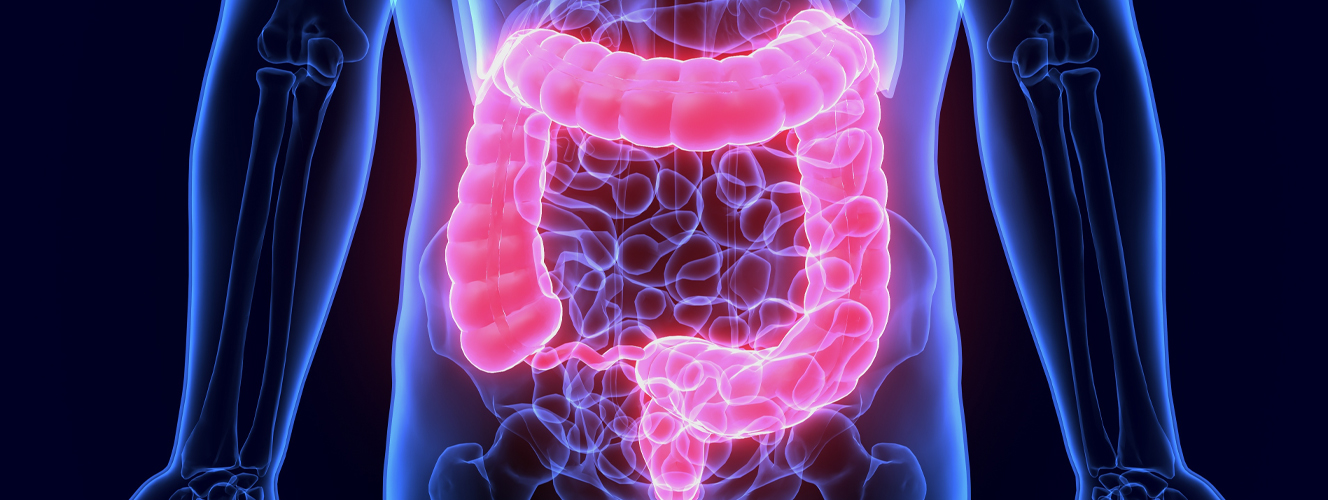
Gut Health and the Microbiome
Traditional Chinese Medicine didn’t have the concept of the microbiome, but practitioners understood the digestive system as central to overall health, with proper digestion and transformation of food into Qi and Blood being fundamental to vitality. Modern understanding of the gut microbiome and its far-reaching influence on health throughout the body reveals new dimensions of how Reishi may support wellbeing.
Prebiotic Properties and Microbiome Modulation
Reishi’s polysaccharides, which aren’t fully digested in the upper gastrointestinal tract, serve as prebiotics when they reach the colon. Prebiotics are compounds that beneficial gut bacteria can ferment and use as fuel. This selective feeding of beneficial bacteria helps shift the gut microbiome composition toward more favorable patterns.
Research shows Reishi polysaccharides can increase populations of beneficial bacteria including various Lactobacillus and Bifidobacterium species while reducing populations of potentially harmful bacteria. These shifts in microbial composition matter because different bacterial species produce different metabolites, compounds that can influence health throughout the body.
One particularly important class of bacterial metabolites is short-chain fatty acids (SCFAs), particularly acetate, propionate, and butyrate. These compounds, produced when gut bacteria ferment dietary fiber and prebiotics, have profound effects on health. Butyrate serves as the primary fuel for colonocytes, the cells lining the colon, and helps maintain intestinal barrier integrity. SCFAs also regulate immune function, influence metabolism throughout the body, and may affect brain function through the gut-brain axis.
Studies demonstrate that Reishi supplementation increases fecal SCFA concentrations, suggesting enhanced fermentation of its polysaccharides by beneficial bacteria. This increased SCFA production may mediate many of Reishi’s health benefits beyond the gut itself, influencing metabolism, immune function, and inflammation throughout the body.
Intestinal Barrier Function
The intestinal barrier, sometimes called gut barrier or intestinal permeability, refers to how selectively the gut lining controls what passes from the intestinal contents into the bloodstream. A healthy barrier allows nutrients to pass while blocking bacteria, bacterial components, undigested food particles, and toxins. When this barrier becomes compromised, a condition often called increased intestinal permeability or leaky gut, unwanted substances can pass into circulation, triggering immune responses and inflammation.
Research shows Reishi can support intestinal barrier integrity through multiple mechanisms. The mushroom’s polysaccharides appear to strengthen tight junctions, the protein complexes that seal the gaps between intestinal cells. Studies demonstrate increased expression of tight junction proteins including occludin, claudins, and zonula occludens following Reishi administration.
Reishi also reduces intestinal inflammation, which can damage the gut barrier. By modulating immune cell activity in gut tissue and reducing production of inflammatory cytokines, Reishi helps maintain the conditions for a healthy, intact intestinal lining.
Supporting gut barrier function matters for far more than digestive health. Increased intestinal permeability has been implicated in conditions ranging from autoimmune diseases to mood disorders to metabolic dysfunction. By helping maintain appropriate gut barrier integrity, Reishi may influence health throughout the body.
Effects on Gut Inflammation and Inflammatory Bowel Conditions
Research demonstrates Reishi’s potential for supporting people with inflammatory bowel conditions including ulcerative colitis and Crohn’s disease. Studies in animal models show Reishi can reduce intestinal inflammation, decrease disease activity scores, and support healing of intestinal tissue.
The mechanisms appear to involve modulation of immune cell activity in gut tissue, reduction of inflammatory cytokine production, and support for the gut barrier. Some research suggests Reishi may help balance T helper cell populations in gut-associated lymphoid tissue, supporting more appropriate immune responses to gut bacteria and food antigens.
While most research on inflammatory bowel disease comes from animal models, the consistency of findings and mechanistic understanding suggest potential clinical relevance. People with inflammatory bowel conditions should work with their healthcare providers when considering Reishi, but the mushroom represents a supportive approach that addresses multiple factors driving intestinal inflammation.
The Gut-Brain Axis and Systemic Effects
The gut-brain axis describes the bidirectional communication between the gut and the brain, mediated by neural pathways (particularly the vagus nerve), hormonal signals, and immune system interactions. The gut microbiome plays a central role in this communication, producing neurotransmitters, modulating inflammatory signals that reach the brain, and influencing brain chemistry through various metabolites.
Reishi’s effects on the gut microbiome and gut health may contribute to its benefits for mood, anxiety, and cognitive function discussed earlier. By supporting a healthier microbial community and reducing gut inflammation, Reishi may influence brain function through the gut-brain axis. This represents another example of how supporting fundamental aspects of health, in this case gut health, naturally influences specific concerns throughout the body.
The gut’s influence on systemic inflammation also connects to Reishi’s cardiovascular and metabolic benefits. Gut barrier dysfunction and dysbiosis contribute to the chronic low-grade inflammation that drives metabolic dysfunction, cardiovascular disease, and accelerated aging. By supporting gut health, Reishi addresses one source of inflammatory signals that contribute to these conditions.

Antioxidant and Anti-Inflammatory Mechanisms: The Foundation
Underlying many of Reishi’s specific benefits are its potent antioxidant and anti-inflammatory properties. Understanding these fundamental mechanisms helps explain how one mushroom can influence such diverse aspects of health.
Oxidative Stress and Reactive Oxygen Species
Oxidative stress occurs when there’s an imbalance between reactive oxygen species (ROS) production and the body’s antioxidant defenses. ROS are chemically reactive molecules containing oxygen. Some ROS production is normal and even essential for certain cellular functions including immune responses and cell signaling. Problems arise when ROS production exceeds the body’s capacity to neutralize them.
Excessive ROS damage cellular components including lipids in cell membranes, proteins throughout the body, and DNA itself. This oxidative damage contributes to most chronic diseases and plays a central role in aging. ROS damage to lipids produces compounds that promote inflammation and atherosclerosis. ROS damage to proteins impairs their function. ROS damage to DNA can cause mutations and cellular dysfunction.
Modern life increases oxidative stress through multiple pathways including chronic psychological stress, environmental toxins, processed foods, insufficient sleep, and sedentary behavior. Supporting the body’s antioxidant defenses represents a fundamental approach to maintaining health in this context.
Reishi’s Antioxidant Compounds and Actions
Reishi contains multiple compounds with antioxidant properties including polysaccharides, triterpenes, phenolic compounds, and ergothioneine. These compounds work through different mechanisms to reduce oxidative stress.
Some Reishi compounds act as direct antioxidants, meaning they can directly neutralize ROS by donating electrons to stabilize them. Other compounds work indirectly by enhancing the body’s own antioxidant systems. Research shows Reishi can upregulate superoxide dismutase, catalase, and glutathione peroxidase, all enzymes that neutralize different forms of ROS. Reishi also supports glutathione production and recycling, important since glutathione serves as the body’s master antioxidant.
This combination of direct and indirect antioxidant effects may explain why Reishi shows particularly potent antioxidant activity in studies. The mushroom both provides antioxidant compounds and enhances the body’s own antioxidant capacity, working with rather than replacing endogenous protective systems.
Studies measuring various markers of oxidative stress consistently show reductions following Reishi supplementation. Research demonstrates decreases in lipid peroxidation products (markers of oxidative damage to fats), protein carbonyl formation (markers of oxidative damage to proteins), and DNA oxidation products. These reductions in oxidative damage throughout the body likely contribute to Reishi’s effects on cardiovascular health, cognitive function, liver protection, and healthy aging.
Anti-Inflammatory Properties and Chronic Inflammation
Chronic low-grade inflammation, sometimes called inflammaging when associated with aging, underlies most chronic diseases including cardiovascular disease, diabetes, neurodegenerative conditions, autoimmune diseases, and cancer. This differs from acute inflammation, the necessary response to injury or infection that promotes healing. Chronic inflammation persists without resolution, continuously producing inflammatory signals that damage tissues and disrupt normal physiological functions.
Reishi demonstrates anti-inflammatory effects through multiple mechanisms. The mushroom modulates nuclear factor kappa B (NF-κB), a protein complex that controls expression of many inflammatory genes. When NF-κB is activated, cells produce inflammatory cytokines including tumor necrosis factor alpha (TNF-α), interleukin-1 beta (IL-1β), and interleukin-6 (IL-6). These inflammatory messengers promote inflammation throughout the body and contribute to the damage of chronic inflammatory conditions.
Research shows Reishi compounds can inhibit NF-κB activation, reducing production of these inflammatory cytokines. Studies demonstrate decreased TNF-α, IL-1β, IL-6, and other inflammatory markers following Reishi administration. This doesn’t completely suppress inflammation, which would be problematic since some inflammatory capacity is essential for health. Rather, Reishi appears to help modulate excessive or inappropriate inflammatory responses.
Reishi also influences other inflammatory pathways including cyclooxygenase (COX) and lipoxygenase (LOX), enzymes that produce inflammatory mediators from fatty acids. Some research shows inhibition of these enzymes, potentially explaining anti-inflammatory effects similar to those of aspirin or other NSAIDs but without the same side effect profile.
The connection between oxidative stress and inflammation is bidirectional. Oxidative stress promotes inflammation, and inflammation generates more oxidative stress. This creates a vicious cycle that drives chronic disease and accelerated aging. Reishi’s combined antioxidant and anti-inflammatory properties help break this cycle, addressing both components simultaneously. This may explain why the mushroom shows benefits for such diverse conditions, all of which involve both oxidative stress and chronic inflammation as underlying mechanisms.
Integration: Understanding Reishi’s Multi-Dimensional Effects
Reviewing the research on Reishi’s non-immune benefits reveals a pattern we see with true tonics but rarely with isolated pharmaceutical compounds. The mushroom influences multiple interconnected systems through complementary mechanisms. This creates synergistic effects where benefits in one area support improvements in others.
Consider how these effects integrate. Reishi’s cardiovascular benefits stem partly from its direct effects on blood vessels, blood pressure, and lipid metabolism. But they’re also supported by its stress-reducing effects (since chronic stress promotes cardiovascular disease), its metabolic benefits (since metabolic dysfunction drives cardiovascular risk), its antioxidant properties (since oxidative damage to lipids and vessel walls promotes atherosclerosis), and its anti-inflammatory effects (since inflammation drives plaque formation and vessel dysfunction).
Similarly, Reishi’s cognitive benefits involve direct neuroprotection and effects on brain chemistry, but they’re also supported by its cardiovascular benefits (since brain health depends on healthy circulation), its effects on sleep quality (since sleep is essential for cognitive function and brain health), its stress-modulating properties (since chronic stress impairs cognition and accelerates neurodegeneration), and its gut health benefits (since the gut microbiome influences brain function through the gut-brain axis).
This integration reflects the traditional concept of tonification. Rather than targeting specific disease processes in isolation, tonics support fundamental aspects of health that naturally influence multiple specific concerns. Traditional practitioners observed that by nourishing Qi, Blood, and Shen, Reishi helped maintain vitality across various dimensions of wellbeing. Modern research reveals the specific mechanisms behind these observations, showing how supporting cardiovascular function, metabolic health, stress response, sleep quality, liver function, gut health, and cellular protection creates a foundation for resilience across multiple health challenges.

Reishi for the 21st Century
The alignment between traditional observations and modern research makes clear why Reishi remains relevant, perhaps more relevant than ever, as we navigate contemporary health challenges. The mushroom addresses multiple interconnected issues that characterize modern life.
Chronic stress disrupts sleep, impairs metabolic function, promotes cardiovascular disease, and accelerates cognitive decline. Reishi supports stress response, improves sleep quality, enhances metabolic health, protects cardiovascular function, and provides neuroprotection. Environmental toxin exposure burdens the liver, generates oxidative stress, and disrupts metabolic function. Reishi supports liver detoxification, provides potent antioxidant protection, and helps maintain metabolic balance.
The Standard American Diet and sedentary lifestyles promote metabolic dysfunction, gut dysbiosis, chronic inflammation, and cardiovascular disease. Reishi supports metabolic health, modulates the microbiome, reduces inflammation, and protects cardiovascular function. The combination of chronic stress, poor sleep, processed foods, and environmental toxins accelerates aging and increases risk for virtually every chronic disease. Reishi addresses all of these challenges through complementary mechanisms.
This broad-spectrum relevance doesn’t mean Reishi is a panacea or that it replaces other important health practices. It means Reishi represents a valuable ally for supporting resilience in the face of modern health challenges. The mushroom works best as part of a comprehensive approach to health that includes adequate sleep, stress management, regular physical activity, nutrient-dense food, and appropriate medical care when needed.
What makes Reishi particularly valuable is that it doesn’t require expensive wellness trends or unrealistic lifestyle overhauls. The mushroom is relatively affordable, especially compared to many supplements and wellness products. It doesn’t demand perfect adherence or dramatic changes. It simply supports the body’s own capacity for balance and resilience when taken consistently over time.
This aligns with the traditional understanding of superior herbs as those that could be taken long-term to support healthy aging and maintain vitality. Reishi wasn’t traditionally used to cure specific diseases but to nourish fundamental aspects of health that naturally influence resistance to disease and capacity for wellbeing.
Looking Ahead
We’ve explored Reishi’s non-immune benefits, seeing how the mushroom supports cardiovascular health, stress response and nervous system function, sleep quality, liver function, metabolic health, cognitive function, gut health, and provides potent antioxidant and anti-inflammatory effects. These benefits work synergistically, each supporting the others to create a foundation for resilience across multiple health challenges.
In Part 3 of this series, we’ll turn to what may be Reishi’s most researched area: immune function. Traditional practitioners valued Reishi for supporting Wei Qi, the protective energy that defends against external pathogens. Modern research reveals specific mechanisms through which Reishi modulates immune function, supporting both immediate immune responses and long-term immune resilience. Given the ongoing concerns about respiratory infections, long COVID, and immune health, understanding Reishi’s immune-modulating properties carries particular contemporary relevance.
Finally, in Part 4, we’ll address the practical questions: how to choose quality Reishi products, appropriate dosing, how to use the mushroom, and how to integrate it into a comprehensive approach to health. Quality varies dramatically between Reishi products, and understanding what distinguishes effective preparations from ineffective ones matters enormously for actually experiencing the benefits we’ve been discussing.
The research on Reishi’s non-immune benefits demonstrates that some traditional remedies deserve their reputation not through mystique or marketing but through genuine therapeutic value. Reishi offers a bridge between ancient wisdom and contemporary health challenges, supporting resilience without requiring a fortune or falling into expensive wellness trends. As we face the complex health challenges of modern life, understanding and utilizing such allies becomes not just valuable but essential.

Mark J. Kaylor is a passionate advocate for holistic health and natural remedies, with a focus on extending both lifespan and healthspan. As the founder of the Radiant Health Project and host of Radiant Health Podcast, Mark blends in-depth research with traditional wisdom to empower others on their journey to vibrant health. Through his writing and speaking, he shares insights into the transformative power of herbs, nutrition, and lifestyle practices.
Disclaimer: All information and results stated here is for educational and entertainment purposes only. The information mentioned here is not specific medical advice for any individual and is not intended to be used for self-diagnosis or treatment. This content should not substitute medical advice from a health professional. Always consult your health practitioner regarding any health or medical conditions.
Leave A Comment