


Reishi Part 1: Traditional Use Of Reishi
Ancient Treasure of Chinese Medicine and the ‘Ten-Thousand-Year Mushroom’
by Mark J Kaylor
The wellness industry loves to discover “ancient superfoods,” package them in sleek containers, and sell them at premium prices. But some traditional remedies need no marketing hype to justify their value. For over two thousand years, one mushroom has been so revered in Chinese culture that it appears in ancient art, adorns palace architecture, and symbolizes longevity, spiritual potency, and divine blessing. Its reputation wasn’t built by influencers or clever branding. It was earned through generations of careful observation, therapeutic use, and profound cultural significance.
That mushroom is Reishi, and its story offers something rare in modern wellness conversations: a bridge between ancient wisdom and contemporary health challenges that doesn’t require us to choose between tradition and science, or to spend a fortune chasing the latest trend.
What Is Reishi? Understanding the Names
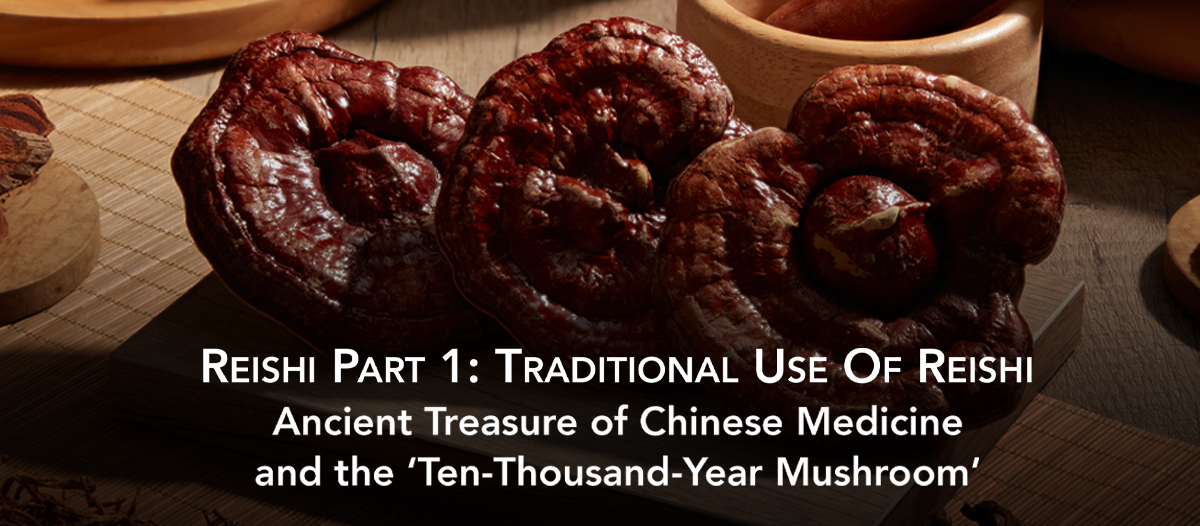
This mushroom carries several names, each revealing something about its history and significance. In Japanese, it’s called Reishi. In Chinese, Lingzhi (靈芝), which translates roughly to “spirit mushroom” or “mushroom of spiritual potency.” The scientific name is Ganoderma lucidum, though it’s worth noting that what we call Reishi may include several closely related Ganoderma species that share similar properties and traditional uses.
Reishi is a polypore mushroom, meaning it produces spores in tiny pores on its underside rather than gills. It typically grows on decaying hardwood trees, particularly oaks and maples, forming distinctive kidney-shaped or fan-shaped fruiting bodies with a glossy, lacquered appearance. The cap ranges from reddish-brown to nearly black, and the distinctive shiny surface looks almost varnished, giving Reishi an otherworldly appearance that no doubt contributed to its mystical reputation.
Wild Reishi was historically rare and difficult to find, which partly explains why it was reserved for emperors and the elite. Today, cultivation techniques developed over the past several decades have made Reishi more accessible, though quality varies dramatically between products, something we’ll explore in depth in Part 4 of this series.
A Mushroom Woven Into Chinese Culture
To understand Reishi’s significance, we need to appreciate how deeply it’s embedded in Chinese cultural consciousness. This isn’t a plant that was simply used medicinally. It was revered, celebrated, and considered a symbol of everything auspicious.
Lingzhi appears throughout Chinese art spanning dynasties. It’s carved into jade, painted on silk scrolls, woven into imperial robes, and incorporated into architectural details of temples and palaces. The mushroom’s distinctive fan shape became a motif representing longevity, good fortune, and divine favor. Taoist immortals are often depicted holding a Lingzhi mushroom or a staff adorned with it, suggesting the mushroom’s association with transcendence and spiritual cultivation.
In traditional Chinese paintings, Lingzhi frequently appears alongside other symbols of longevity like cranes, deer, and pine trees. The Ruyi scepter, a ceremonial object symbolizing power and good fortune, takes its shape from the Lingzhi mushroom, its name literally meaning “as you wish” or “according to your heart’s desire.”
This cultural omnipresence tells us something important: Reishi wasn’t valued merely as medicine in the narrow sense we often think of it today. It represented something broader – a connection between physical vitality, spiritual cultivation, and the harmony of living in accordance with natural principles.
Reishi in Traditional Chinese Medicine
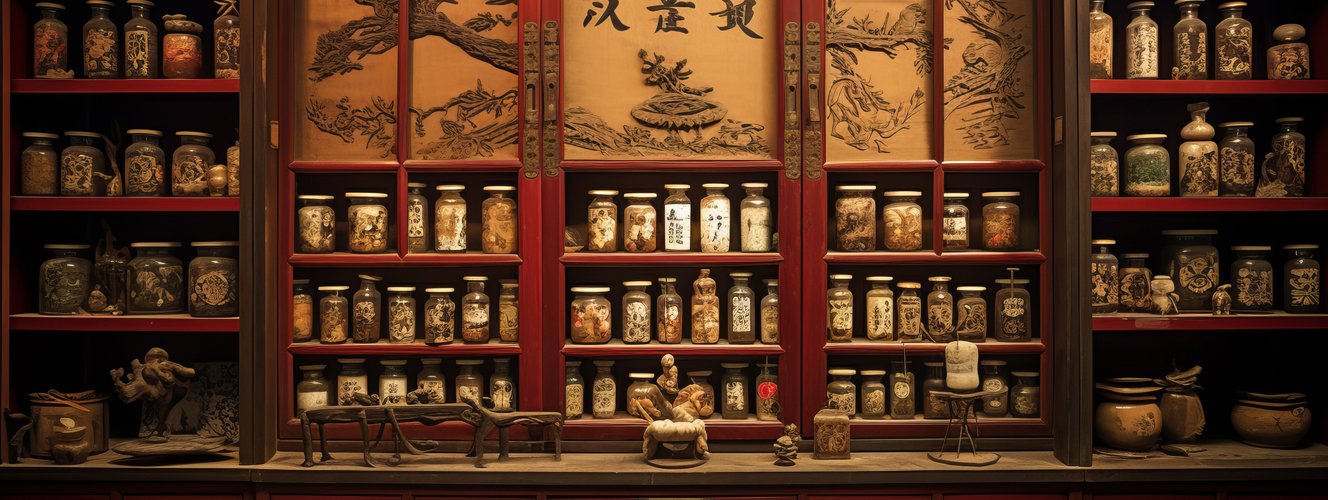
In the framework of Traditional Chinese Medicine (TCM), Reishi occupies a special category. It appears in the Shennong Ben Cao Jing (Divine Farmer’s Classic of Materia Medica), one of the oldest Chinese texts on herbal medicine, dated to around the first or second century CE. The text classifies herbs into three categories: superior, middle, and inferior. Superior herbs are those considered safe for long-term use, nourishing to life, and promoting longevity without toxicity. Reishi is listed among these superior herbs.
The text describes six varieties of Lingzhi, differentiated by color (red, black, blue, white, yellow, and purple), each associated with different organs and therapeutic applications. Red Lingzhi, what we typically call Reishi today, was considered to nourish the Heart, calm the Shen (spirit), and support the Qi (vital energy).
Traditional indications for Reishi included supporting people experiencing restlessness, insomnia, forgetfulness, or anxiety – all understood as disturbances of the Shen. It was also used to support respiratory function, particularly for those with chronic cough or shortness of breath. The mushroom was considered especially valuable for supporting healthy aging and maintaining vitality in later years.
What’s particularly interesting from a modern perspective is that TCM never viewed Reishi as a remedy for acute illness. It was understood as a tonic – something taken regularly over time to nourish and strengthen fundamental aspects of health. This aligns well with contemporary research showing Reishi’s effects are generally gradual and cumulative rather than immediate and dramatic.
Traditional Therapeutic Applications
Beyond its reputation as a superior tonic, traditional practice identified several specific therapeutic applications for Reishi. Understanding these in their original context helps us appreciate how traditional observations align with contemporary health concerns.
Tonifying the Blood: In TCM, Blood (with a capital B to distinguish it from the Western biological concept) represents more than the red fluid in our veins. It includes the nourishing, moistening aspects that support tissue health, cognitive function, and overall vitality. Blood deficiency manifests as symptoms like pale complexion, dry skin, poor memory, anxiety, and feeling generally undernourished. Reishi was traditionally used to support Blood production and quality, helping people feel more nourished and vital from within.
Nourishing the Heart and Liver: In Traditional Chinese Medicine, organs represent functional systems rather than just anatomical structures. The Heart governs not just circulation but consciousness, mental clarity, and emotional balance – what we explored as Shen. The Liver regulates the smooth flow of Qi and Blood throughout the body, and is particularly affected by stress and emotional tension. Reishi’s traditional use for nourishing both organs speaks to its wide-ranging effects on cardiovascular function, emotional regulation, stress response, and maintaining smooth physiological processes. These traditional indications align remarkably well with modern research on Reishi’s cardiovascular and stress-modulating properties.
Supplementing Lung Qi and Transforming Phlegm: This application feels particularly relevant today given widespread respiratory concerns from COVID-19, long COVID, and general respiratory fragility. In TCM, the Lungs govern Qi and respiration, serving as the first line of defense against external pathogens. Lung Qi deficiency manifests as shortness of breath, chronic cough, weak voice, and susceptibility to respiratory infections. “Transforming phlegm” refers to helping the body clear excessive mucus and congestion that can obstruct breathing and harbor pathogens. Reishi was traditionally valued for supporting people with chronic respiratory weakness, helping strengthen breathing capacity and clear persistent phlegm. Given the number of people now dealing with lingering respiratory issues, this traditional application deserves renewed attention.
Supporting Wei Qi: Wei Qi, often translated as “protective Qi” or “defensive Qi,” represents the body’s defensive energy that circulates at the surface, protecting against external pathogens and environmental stressors. Think of it as the energetic immune boundary between your internal environment and the outside world. Strong Wei Qi means you’re less susceptible to colds, flu, and other infections, and you recover more quickly when illness does occur. Weak Wei Qi manifests as frequent colds, spontaneous sweating, and general vulnerability to environmental stressors. Reishi’s traditional reputation for supporting Wei Qi corresponds closely to modern understanding of its immune-modulating properties, which we’ll explore in depth in Part 3 of this series.
These specific therapeutic applications weren’t separate from Reishi’s tonic properties. Rather, they represented particular manifestations of how nourishing Qi, Blood, and Shen are expressed in the body. The traditional view understood that by supporting these fundamental aspects of vitality, Reishi could help address a wide range of specific health challenges without being narrowly targeted to any single condition.
The Ten-Thousand-Year Mushroom: Reishi and Longevity
One of Reishi’s traditional names is the “ten-thousand-year mushroom” or “mushroom of immortality.” This wasn’t a literal claim that eating Reishi would make you live forever. Rather, it expressed the belief that regular use could extend healthy lifespan and support the kind of vitality that allows for spiritual cultivation and wisdom in old age.
In Taoist philosophy, longevity wasn’t simply about adding years to life. It was about maintaining the quality of life, preserving mental clarity, sustaining physical vitality, and having the energy to pursue spiritual development. An immortal in this context wasn’t someone who lived forever in their physical body, but someone who achieved a kind of transcendence – who lived in harmony with natural rhythms and cultivated their inner nature to its fullest potential.
Reishi’s association with this concept of longevity came from observations over many generations. People noticed that those who regularly consumed Reishi seemed to maintain vitality longer, experience less cognitive decline, and approach old age with more grace and resilience. These weren’t controlled studies, but they represented centuries of careful attention to patterns and outcomes.
The rarity of wild Reishi added to its mystique. Finding a wild Reishi was considered a sign of good fortune, and the mushroom’s strange, almost supernatural appearance – its glossy, lacquered surface seeming to glow – reinforced the sense that this was no ordinary fungus.
Reishi as a Qi Tonic: Supporting Vital Energy
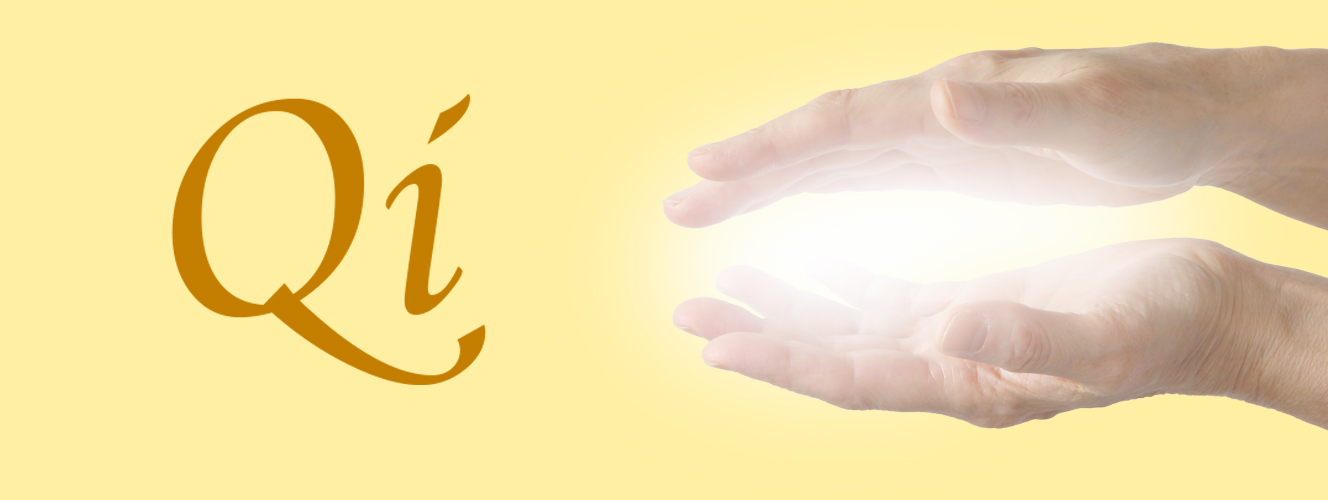
In Traditional Chinese Medicine, Qi (often translated as vital energy or life force) represents the functional energy that powers all physiological processes. When Qi is abundant and flowing smoothly, we experience vitality, good digestion, strong immunity, and resilience. When Qi is deficient or stagnant, we may feel fatigued, get sick easily, experience poor digestion, or feel generally depleted.
Reishi’s classification as a Qi tonic means it was traditionally understood to nourish and strengthen this vital energy. This manifests in several ways that translate well to modern understanding. People taking Reishi often report a gradual increase in baseline energy levels – not the jittery stimulation of caffeine, but a deeper sense of vitality and resilience.
The mushroom’s effects on Qi particularly relate to what TCM calls “protective Qi” (Wei Qi), which corresponds roughly to immune function in modern terms. Supporting healthy Qi means bolstering the body’s defensive capabilities, helping maintain the boundary between self and external pathogens, and supporting recovery from illness or stress.
Reishi’s reputation for supporting respiratory function also connects to its Qi-nourishing properties. In TCM theory, the Lungs govern Qi and are responsible for distributing it throughout the body with each breath. Supporting Lung Qi means enhancing this fundamental process of gathering, distributing, and utilizing vital energy.
What makes Reishi particularly valuable as a Qi tonic is that it doesn’t force energy the way stimulants do. Rather than depleting reserves for a temporary boost, it works to gradually build and sustain energy over time. This matches modern research showing Reishi’s adaptogenic properties – helping the body maintain balance and respond more effectively to various stressors.
Reishi as a Shen Tonic: Nourishing the Spirit
Perhaps Reishi’s most distinctive property in the TCM framework is its classification as a Shen tonic. Shen, often translated as “spirit,” represents consciousness, mental clarity, emotional balance, and what we might call presence or awareness. When Shen is disturbed, we experience anxiety, insomnia, restlessness, poor concentration, and emotional volatility. When Shen is nourished and stable, we feel calm, clear-minded, emotionally balanced, and present.
This is where Reishi truly distinguished itself in traditional practice. While many herbs support physical vitality, relatively few were considered true Shen tonics. Reishi’s ability to calm the mind, promote restful sleep, and support emotional equilibrium made it especially valued by scholars, meditators, and those pursuing spiritual cultivation.
The classical texts describe Reishi as helping to “quiet the spirits and calm the soul.” This wasn’t about sedation or suppressing emotions. Rather, it was understood to create a kind of inner stability that allows for clearer thinking, better emotional regulation, and deeper states of meditation or contemplation.
From a modern perspective, we might understand Reishi’s Shen-nourishing properties as its effects on the nervous system, stress response, and sleep quality. But the traditional framework captures something important that purely mechanistic descriptions can miss – the subjective quality of feeling more centered, less reactive, and more capable of responding thoughtfully rather than reflexively to life’s challenges.
For people interested in meditation, creative work, or any practice requiring sustained mental focus and emotional balance, Reishi’s Shen-nourishing properties may be particularly relevant. The mushroom doesn’t change who you are or artificially alter your consciousness. Instead, it seems to support the conditions that allow your natural clarity and balance to emerge more readily.
The combination of Qi and Shen nourishing in one plant is relatively rare in traditional herbalism. It suggests Reishi’s unique ability to work on multiple levels simultaneously – supporting both physical vitality and mental-emotional wellbeing, both immune resilience and inner calm. This multi-dimensional quality helps explain why Reishi was so highly valued and why it remains relevant today as we navigate the complex stressors of modern life.
Looking Ahead
Understanding Reishi’s traditional use and cultural significance provides essential context for appreciating what modern research is discovering. The traditional view of Reishi as a superior herb for longevity, as a Qi tonic supporting vitality and immunity, and as a Shen tonic promoting mental clarity and emotional balance – these aren’t superstitions to be dismissed. They represent centuries of careful observation that can guide contemporary research and help us understand what to expect from this remarkable mushroom.
In Part 2 of this series, we’ll explore why Reishi might be perfectly suited to address some of the most pressing health challenges of the 21st century. From cardiovascular disease to chronic stress, from environmental toxin exposure to metabolic dysfunction, Reishi’s wide-ranging properties position it as what I call a “tonic for the 21st century” – an affordable, well-researched ally for navigating modern health challenges without falling into expensive wellness trends or unrealistic quick fixes.
The bridge between ancient wisdom and modern application isn’t about choosing one over the other. It’s about recognizing that both offer valuable perspectives, and that some plants have earned their reputation through both traditional use spanning millennia and contemporary scientific validation.

Mark J. Kaylor is a passionate advocate for holistic health and natural remedies, with a focus on extending both lifespan and healthspan. As the founder of the Radiant Health Project and host of Radiant Health Podcast, Mark blends in-depth research with traditional wisdom to empower others on their journey to vibrant health. Through his writing and speaking, he shares insights into the transformative power of herbs, nutrition, and lifestyle practices.
Disclaimer: All information and results stated here is for educational and entertainment purposes only. The information mentioned here is not specific medical advice for any individual and is not intended to be used for self-diagnosis or treatment. This content should not substitute medical advice from a health professional. Always consult your health practitioner regarding any health or medical conditions.
Leave A Comment