


Turkey Tail Mushroom Benefits:
Ancient Wisdom for Immune Support, Gut Health & Metabolic Balance
by Mark J Kaylor
How an ancient forest dweller bridges traditional wisdom and modern immunology to support your body’s natural defenses.
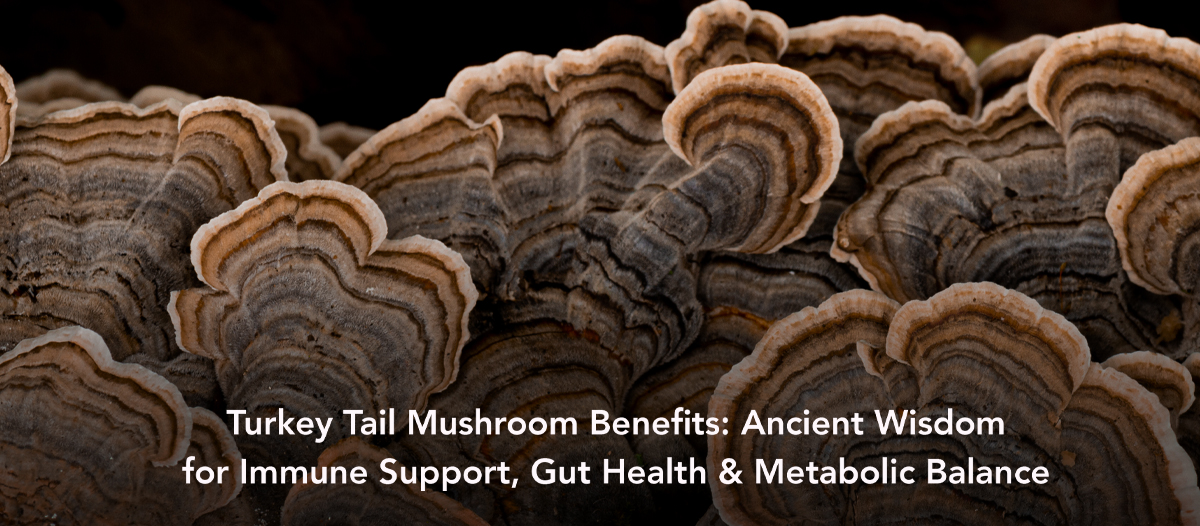
Walk through a temperate forest in late autumn, when the air carries that particular crispness that speaks of endings and beginnings. Look closely at the fallen logs and weathered stumps, and you might notice them: overlapping semicircles of striped color, browns melting into tans melting into russets, fanning out like the plumage of a wild turkey in full display.
Trametes versicolor (historically known as Coriolus versicolor), more commonly called Turkey Tail mushroom, doesn’t announce itself with the boldness of a red-capped Amanita or the mystique of glowing fungi. It simply exists, quietly breaking down dead wood, returning nutrients to the forest floor, participating in the endless cycle of decomposition and renewal that keeps forests alive.
And yet, this humble decomposer carries within its structure something that has captured the attention of both ancient herbalists and modern immunologists: a remarkable capacity to support the body’s own defense systems in ways that are only now beginning to be fully understood.
Consider what that might mean for you.
Ancient Recognition: When Healers Knew Before Science Could Explain
In Traditional Chinese Medicine, this mushroom has been recognized for over 2,000 years under the name Yun Zhi, or “cloud mushroom,” for the way its bands of color resemble clouds at sunset. Ancient practitioners understood it as a tonic for nourishing what they called Jing (vital essence), strengthening Qi(life force), and supporting the body’s capacity to maintain balance in the face of challenges.
They didn’t speak of immune cells or polysaccharides. They spoke of resilience, of the body’s innate intelligence, of supporting rather than forcing. They recognized that true health comes not from attacking weakness but from nourishing strength.
What’s fascinating is how precisely these ancient observations align with what modern science is now revealing. Traditional healers somehow intuited that Turkey Tail could help the body maintain the kind of balanced, appropriate responsiveness that we now understand as healthy immune function. They recognized its value for supporting the digestive system, for maintaining vitality during times of stress or illness, for helping the body remember its own wholeness.
This convergence of ancient wisdom and modern research is worth pausing over. It suggests something about the reliability of careful observation across generations, about knowledge that predates laboratories but withstands their scrutiny.
The Language of Polysaccharides: What Modern Research Reveals
Turkey Tail has become one of the most extensively researched medicinal mushrooms in the world, with hundreds of peer-reviewed studies examining its bioactive compounds and their effects on human health. Two compounds in particular have captured scientific attention: polysaccharide-K (PSK) and polysaccharide-peptide (PSP).
Understanding the Molecules
These are complex polysaccharides, long chains of sugar molecules bound to protein structures, with a particular configuration that human immune cells appear to recognize and respond to. Research published in Frontiers in Immunology demonstrates that PSP, which comprises about 60% polysaccharide and 10-30% peptide content, can modulate immune cell activity through specific receptor pathways, including Toll-like receptors (TLRs) and the p38 MAPK signaling cascade.
What does this mean in practical terms? It means that Turkey Tail’s compounds appear to “communicate” with your immune system in a language it understands, potentially supporting the activity of various immune cells including natural killer (NK) cells, macrophages, and B lymphocytes. The polysaccharides act almost like a training signal, helping these cells maintain appropriate vigilance without triggering unnecessary alarm.
Immune Support That Balances Rather Than Inflames
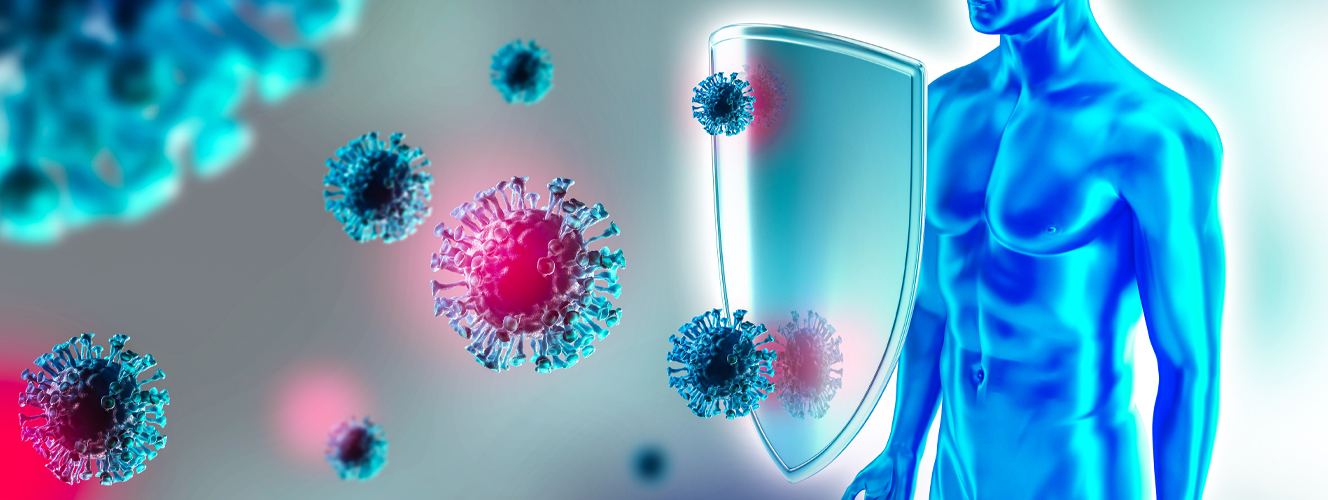
Here’s where Turkey Tail’s story becomes particularly interesting. Your immune system is not simply an on/off switch. It’s a remarkably nuanced network that must constantly balance vigilance with restraint, response with tolerance. Too little activity leaves you vulnerable; too much creates inflammation and autoimmune mischief.
Studies conducted in China over the past 40 years have shown that PSP from Turkey Tail doesn’t simply ramp up immune activity indiscriminately. Instead, it appears to support what researchers call an “immunomodulatory” effect: helping to enhance immune surveillance when needed while supporting the body’s natural regulatory mechanisms that prevent overreaction.
Think of it less as turning up the volume on your immune system and more as helping it tune its instruments. The goal is harmony, not noise.
This matters because chronic inflammation, the kind that comes from an immune system that’s lost its ability to modulate appropriately, underlies so many of the health challenges we face: from cardiovascular disease to metabolic dysfunction to accelerated aging. Supporting balanced immune function isn’t just about fighting off the occasional cold. It’s about maintaining the cellular coherence that allows us to thrive.
Beyond Immunity: A Whole-System Approach to Wellness
One of the most compelling aspects of Turkey Tail is how it demonstrates that immune health isn’t an isolated phenomenon. Your immune system doesn’t exist in a vacuum; it’s intimately connected with metabolic health, liver function, inflammatory balance, and overall systemic resilience.
This is where Turkey Tail reveals its true holistic nature, supporting multiple interconnected systems simultaneously.
Taming the Flames: Anti-Inflammatory Properties
Chronic, low-grade inflammation has been called the “silent fire” underlying most degenerative diseases. Unlike acute inflammation (the beneficial kind that helps you heal from injuries), chronic inflammation slowly damages tissues, accelerates aging, and sets the stage for everything from heart disease to cognitive decline.
Research on Turkey Tail’s chemical constituents has identified significant anti-inflammatory activity, particularly in the acetone and methanol extracts. The mushroom’s phenolic compounds and polysaccharides work through multiple pathways, including inhibition of nuclear factor-kappa B (NF-κB), a key regulator of inflammatory gene expression.
What makes this particularly interesting is that Turkey Tail doesn’t simply suppress inflammation uniformly. Instead, it appears to help modulate inflammatory responses, supporting appropriate inflammation when needed (like during infection) while helping to resolve excessive or prolonged inflammatory states. This nuanced approach aligns perfectly with the body’s natural wisdom.
Liver Support: Your Metabolic Command Center
Your liver is a metabolic marvel: it processes nutrients, filters toxins, produces bile, regulates blood sugar, synthesizes proteins, and coordinates hundreds of biochemical reactions every second. When liver function suffers, the ripple effects touch every system in your body.
Traditional Chinese Medicine has long recognized Turkey Tail as entering the liver meridian and supporting liver health. Modern research is now validating these traditional observations. Studies across multiple countries have demonstrated that PSP exhibits hepatoprotective (liver-protecting) properties, including:
Antioxidant support: Turkey Tail enhances the expression of endogenous antioxidant enzymes like glutathione peroxidase and superoxide dismutase (SOD), helping protect liver cells from oxidative damage.
Anti-fibrotic effects: PSK has demonstrated the ability to inhibit hepatic stellate cell activation and reduce TGF-β1 expression, potentially slowing the progression of liver fibrosis (scarring) that occurs in chronic hepatitis and other liver diseases.
Support for lipid metabolism: Turkey Tail appears to modulate AMPK and PPAR-α signaling pathways, supporting healthy fat metabolism in the liver and potentially reducing intrahepatic lipid accumulation seen in non-alcoholic fatty liver disease (NAFLD).
Liver regeneration support: Some research suggests PSK may stimulate hepatic growth factor expression, potentially supporting the liver’s remarkable capacity to regenerate after injury.
In Traditional Chinese Medicine terms, this would be described as “clearing dampness” and “nourishing liver blood.” Modern science would describe it as supporting phase II detoxification, reducing inflammatory burden, and maintaining metabolic flexibility. Either way, the liver gets support it needs to function optimally.
Metabolic Balance: Blood Sugar and Insulin Sensitivity
Here’s where Turkey Tail’s holistic benefits become even more intriguing. Stable blood sugar and healthy insulin sensitivity aren’t just about avoiding diabetes; they’re fundamental to energy levels, cognitive function, cardiovascular health, and even immune function (remember, high blood sugar impairs immune cell activity).
Multiple studies have now demonstrated that Turkey Tail polysaccharopeptides can support healthy glucose metabolism through several mechanisms:
Enhanced glucose uptake: Research using insulin-resistant liver cells (HepG2 model) found that Turkey Tail extract increased cellular glucose uptake in a dose-dependent manner, helping cells properly respond to insulin signals. Animal studies have confirmed these effects, showing reduced blood glucose levels, improved oral glucose tolerance, and decreased insulin resistance indices in diabetic rats.
GLUT4 translocation: Studies on skeletal muscle (where most glucose uptake occurs) have shown that Turkey Tail extract increases the expression and translocation of GLUT4 glucose transporters through the PI3K/Akt and p38 MAPK signaling pathways. This is precisely the mechanism that becomes impaired in insulin resistance.
Reduced oxidative stress: Type 2 diabetes is characterized by elevated oxidative stress, which further damages insulin signaling. Turkey Tail’s antioxidant properties help break this vicious cycle, protecting cells while supporting their metabolic function.
Lipid metabolism support: Studies have shown dose-dependent reductions in serum triglycerides and improvements in lipid profiles with Turkey Tail supplementation, addressing the dyslipidemia that often accompanies insulin resistance.
What makes this particularly compelling is that these aren’t isolated effects. Improved insulin sensitivity supports better immune function. Reduced inflammation protects liver health. Healthy liver function supports metabolic balance. It’s all interconnected, which is precisely what traditional medicine has always understood: you can’t separate one system from another.
Turkey Tail doesn’t just support immunity in isolation. It supports the entire metabolic and inflammatory terrain that allows immunity to function properly. This is holistic medicine in action: addressing root causes rather than isolated symptoms.
The Forgotten Garden: How Turkey Tail Nourishes Your Microbiome
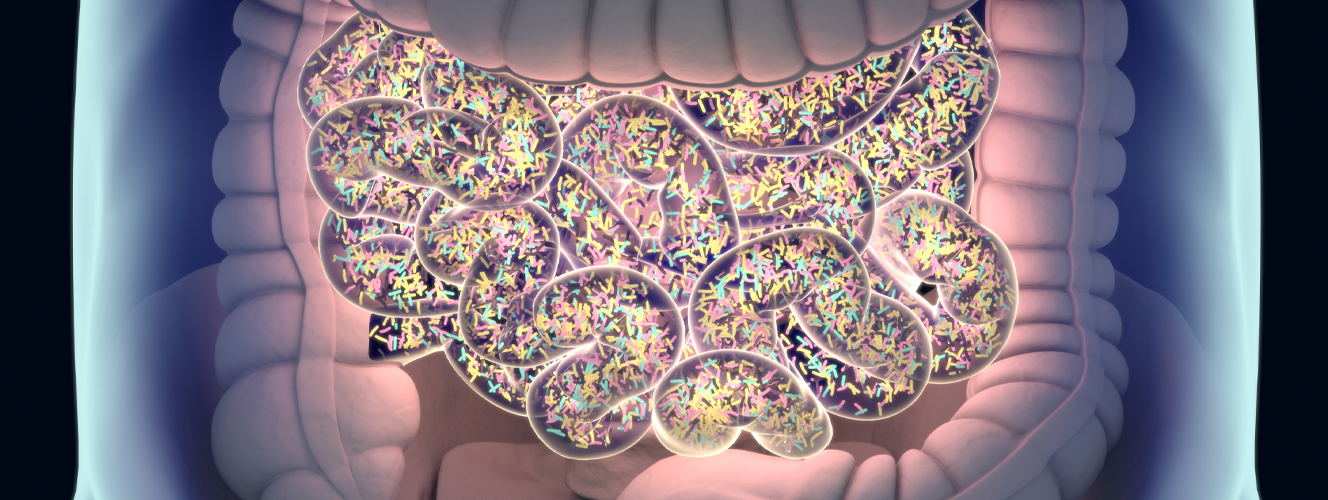
If you’ve been paying attention to health research over the past decade, you’ve probably heard that approximately 70% of your immune system resides in your gut. This isn’t marketing hyperbole; it’s anatomical reality. The relationship between your intestinal ecosystem and your immune function is so intertwined that it’s increasingly difficult to discuss one without the other.
This is where Turkey Tail’s story takes an unexpected turn.
Prebiotic Properties: Feeding the Good Bacteria
While probiotics get most of the attention in gut health discussions, prebiotics play an equally crucial role. Prebiotics are essentially food for your beneficial gut bacteria, the complex carbohydrates that resist digestion in your stomach and small intestine but become a feast for the microorganisms living in your colon.
In a randomized clinical trial published in PubMed, researchers gave 24 healthy volunteers either Turkey Tail PSP extract, an antibiotic (amoxicillin), or no treatment. They then analyzed stool samples over eight weeks using advanced bacterial DNA sequencing.
The results were striking. While the antibiotic disrupted the gut microbiome in predictable ways (requiring weeks for recovery), the Turkey Tail extract acted as a prebiotic, promoting the growth of beneficial bacteria like Bifidobacterium and Lactobacillus while helping to reduce populations of potentially harmful species like Clostridium and Staphylococcus. The researchers concluded that PSP “acts as a prebiotic to modulate human intestinal microbiome composition.”
Why This Matters More Than You Might Think
Your gut microbiome isn’t just about digestion. These trillions of microorganisms produce neurotransmitters, synthesize vitamins, train your immune cells, maintain your intestinal barrier, influence your metabolism, and communicate constantly with your brain via the vagus nerve. The composition and diversity of this internal ecosystem has been linked to everything from mood disorders to autoimmune conditions to metabolic health.
When you support your microbiome with prebiotic compounds like those found in Turkey Tail, you’re not just feeding bacteria. You’re nourishing an entire ecological system that, in turn, nourishes you. You’re supporting the production of short-chain fatty acids that fuel your intestinal cells. You’re maintaining the mucus layer that protects your gut lining. You’re helping to train the immune cells that patrol this vast internal surface, teaching them to distinguish friend from foe.
This is where Turkey Tail’s immune-supporting properties and its prebiotic effects converge: a healthier gut microbiome means better-educated, more appropriately responsive immune cells. The ancient Chinese practitioners who spoke of Turkey Tail “strengthening the spleen and nourishing Qi” were, in their own language, describing this gut-immune axis that modern science is only now beginning to appreciate fully.
The Uncomfortable Truth About Mushroom Supplements
Here’s where we need to step back from the enthusiasm and talk about something less pleasant: not all Turkey Tail supplements are created equal. In fact, the variation in quality within the mushroom supplement market is substantial enough that what you’re taking might bear little resemblance to what was used in the research studies.
Fruiting Bodies vs. Mycelium on Grain
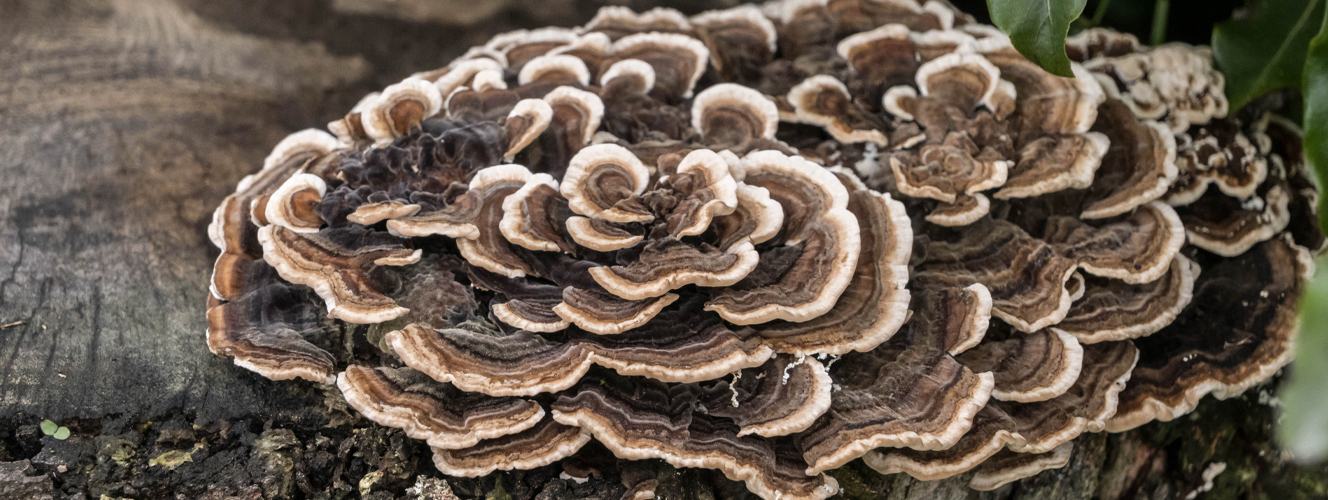
The mushroom you see growing on a log is the fruiting body, the reproductive structure that emerges when conditions are right. Underground (or within the wood substrate), there’s an extensive network of thread-like structures called mycelium, essentially the main body of the fungus.
Most of the research on Turkey Tail, including the studies showing immune benefits and prebiotic effects, used extracts from the fruiting body. This is where the concentration of beneficial polysaccharides like PSP and PSK is highest. The fruiting body has been the part used in traditional medicine for millennia.
However, many commercial supplements, particularly those manufactured in North America, use mycelium grown on grain (usually rice or oats) in sterile bags. This mycelium is then ground up, grain and all, and sold as a mushroom product. The problem? You’re getting a significant amount of starch-based grain filler along with whatever mycelium compounds are present. The beneficial polysaccharide content is typically much lower, and you’re essentially paying mushroom prices for grain powder.
This isn’t a minor difference. It’s the difference between a product that resembles what was used in research and traditional medicine, and a product that’s primarily grain with some fungal components mixed in.
The Extraction Question
Even if you have pure fruiting body material, there’s another crucial consideration: extraction. The beneficial polysaccharides in Turkey Tail are locked within tough cell walls made of chitin, the same material found in insect exoskeletons. Human digestion cannot break down chitin effectively.
This is why traditional preparation methods always involved hot water extraction, often simmering the mushrooms for hours to break down cell walls and release the bioactive compounds. This is also why the research studies use extracts, not ground powder.
A supplement that’s simply ground fruiting body powder might contain all the right compounds, but if they’re still locked inside indigestible cell walls, they’ll pass through your system without being absorbed. The extraction process matters as much as the source material.
Wild-Crafted vs. Cultivated
There’s also the question of growing conditions. Wild mushrooms develop their full spectrum of compounds through interaction with their natural environment: the specific trees they grow on, the soil microbiome, the seasonal variations, the competing organisms. Cultivation in controlled environments can produce mushrooms more efficiently, but the chemical complexity might not fully match what develops in nature.
Wild-crafted Turkey Tail, harvested sustainably from forests where it grows naturally, represents the closest match to what traditional herbalists used and what researchers often study. The trade-off is higher cost and the need for sustainable harvesting practices to protect wild populations.
None of this is meant to create anxiety about your choices. It’s simply an invitation to ask questions: What am I actually getting in this supplement? Is it extracted? Is it fruiting body or mycelium on grain? These questions matter if you want your supplement to resemble what’s been studied and traditionally used.
Integrating Turkey Tail Into Your Life: A Practical Approach
If you’re considering adding Turkey Tail to your wellness practices, here are some things worth considering:
Timing and Context
Turkey Tail isn’t a crisis intervention. It’s a long-term ally for supporting baseline immune function and gut health. Think of it as something you might take consistently during cold and flu season, or during periods of increased stress when your immune system needs extra support.
The research studies typically used daily dosing over weeks or months. This isn’t a supplement where you take it once and feel an immediate shift. The benefits are cumulative, building over time as it supports your microbiome and helps maintain balanced immune vigilance.
Dosage Considerations
The studies showing immune and prebiotic benefits typically used between 1-3 grams of extract daily. This varies depending on the concentration and extraction method, which is why following the manufacturer’s guidelines for a quality product makes sense.
Start gradually if you’re new to medicinal mushrooms. While Turkey Tail is generally well-tolerated, introducing any new prebiotic can cause temporary digestive adjustment as your microbiome shifts. Beginning with a lower dose and building up over a week or two can make this transition smoother.
Combinations and Synergies
Turkey Tail works beautifully alongside other immune-supporting practices: adequate sleep, stress management, diverse whole foods diet, regular movement. It’s not a replacement for these foundations but rather a complement to them.
In Traditional Chinese Medicine, Turkey Tail is often combined with other herbs depending on individual constitution and needs. The principle of synergy, where combinations can be more effective than isolated compounds, applies to mushrooms as much as to other botanicals.
Consider pairing Turkey Tail with probiotic-rich fermented foods. If you’re supporting your beneficial gut bacteria with prebiotics, giving them probiotic reinforcements creates a two-pronged approach to microbiome health.
What This Mushroom Teaches Us About Health
There’s something instructive in how Turkey Tail works, something that extends beyond its specific biochemical effects.
It doesn’t attack. It doesn’t force. It doesn’t override your body’s intelligence with pharmaceutical precision. Instead, it appears to support your existing systems in doing what they already know how to do. It nourishes beneficial bacteria. It provides immune cells with compounds they recognize and can respond to appropriately. It helps maintain balance rather than creating dramatic shifts.
This is the fundamental principle of traditional herbalism: work with the body’s innate wisdom rather than against it. Support rather than suppress. Nourish rather than deplete. Harmonize rather than dominate.
Modern medicine excels at crisis intervention, at the dramatic rescues that keep us alive through acute threats. We should be grateful for that capacity. But for the everyday work of maintaining resilience, of supporting the systems that keep us well before crisis hits, perhaps the gentle, persistent approach of medicinal mushrooms like Turkey Tail has something to offer.
The question isn’t whether Turkey Tail is a miracle cure, it’s whether it might be a reliable ally in the ongoing work of supporting your body’s own considerable healing intelligence.
An Invitation to Consider
Perhaps the next time you walk through a forest and notice those colorful semicircles growing on fallen logs, you might pause for a moment. Consider the quiet work happening there: decomposition, nutrient cycling, the returning of complex organic matter to simpler forms that can nourish new growth.
Your body performs similar work every moment: breaking down what you consume, sorting useful from expendable, nourishing what needs nourishment, defending against what threatens. This internal ecosystem has its own intelligence, its own rhythms, its own capacity for balance and renewal.
Turkey Tail might offer one way to support that process. Not as a magic bullet, not as a replacement for the foundational practices of sleep and nourishment and movement, but as an ally, something that has co-evolved with humans over millennia and that modern science is beginning to understand might actually do what traditional healers always claimed: help the body remember its own resilience.
The research is substantial. The traditional use is ancient. The mechanisms are increasingly clear. What you choose to do with that information is, as always, entirely up to you.
But perhaps it’s worth considering: in a world of complex health challenges, there might be value in the simple act of supporting your body’s own wisdom with compounds that have been working quietly in the background of human health for thousands of years.
References
- Saleh MH, Rashedi I, Keating A. Immunomodulatory Properties of Coriolus versicolor: The Role of Polysaccharopeptide. Front Immunol. 2017;8:1087.
- Dou H, Chang Y, Zhang L. Coriolus versicolor polysaccharopeptide as an immunotherapeutic in China. Prog Mol Biol Transl Sci. 2019;163:361-381.
- Pallav K, Dowd SE, Villafuerte J, et al. Effects of polysaccharopeptide from Trametes versicolor and amoxicillin on the gut microbiome of healthy volunteers: a randomized clinical trial. Gut Microbes. 2014;5(4):458-467.
- Kamiyama M, Horiuchi M, Umano K, et al. Antioxidant/anti-inflammatory activities and chemical composition of extracts from the mushroom Trametes versicolor. Int J Nutr Food Sci. 2013;2(2):85-91.
- Teng JF, Lee CH, Hsu TH, Lo HC. Potential activities and mechanisms of extracellular polysaccharopeptides from fermented Trametes versicolor on regulating glucose homeostasis in insulin-resistant HepG2 cells. PLoS One. 2018;13(7):e0201131.
- Wang YY, Chao SC, Su PY, Lo HC. Extracellular Polysaccharopeptides from Fermented Turkey Tail Medicinal Mushroom, Trametes versicolor, Mitigate Oxidative Stress, Hyperglycemia, and Hyperlipidemia in Rats with Type 2 Diabetes Mellitus. Int J Med Mushrooms. 2020;22(7):645-655.
- Xian C, et al. Coriolus versicolor aqueous extract ameliorates insulin resistance with PI3K/Akt and p38 MAPK signaling pathways involved in diabetic skeletal muscle. Phytother Res. 2018;32(4):551-560.
- Nikolic M, Lazarevic N, Novakovic J, et al. Characterization, In Vitro Biological Activity and In Vivo Cardioprotective Properties of Trametes versicolor Heteropolysaccharides in a Rat Model of Metabolic Syndrome. Pharmaceuticals (Basel). 2023;16(6):787.

Mark J. Kaylor is a passionate advocate for holistic health and natural remedies, with a focus on extending both lifespan and healthspan. As the founder of the Radiant Health Project and host of Radiant Health Podcast, Mark blends in-depth research with traditional wisdom to empower others on their journey to vibrant health. Through his writing and speaking, he shares insights into the transformative power of herbs, nutrition, and lifestyle practices.
Disclaimer: All information and results stated here is for educational and entertainment purposes only. The information mentioned here is not specific medical advice for any individual and is not intended to be used for self-diagnosis or treatment. This content should not substitute medical advice from a health professional. Always consult your health practitioner regarding any health or medical conditions.
Leave A Comment